
Getting to Know Hacienda Vieja
By Camila Van Oost
September 5, 2026
Hi everyone! For those who don't know me, my name is Camila, and I’m one of the project mentors for EWB Stanford. I’m an upcoming 4th-year PhD candidate in the Civil and Environmental Engineering Department, where my research examines the physical burden of water collection on rural Ugandan women. Specifically, I study how many calories women expend collecting water from boreholes with handpumps to meet their household needs in communities without piped water infrastructure. I joined Stanford EWB's inaugural project because I wanted to gain experience working in water and sanitation initiatives in Latin America. While all of my doctoral work focuses on Sub-Saharan Africa, I feel a stronger connection to Latin America because I grew up in Santo Domingo, Dominican Republic, and Spanish is my first language. Now, let's get to how we spent our third day in the community.
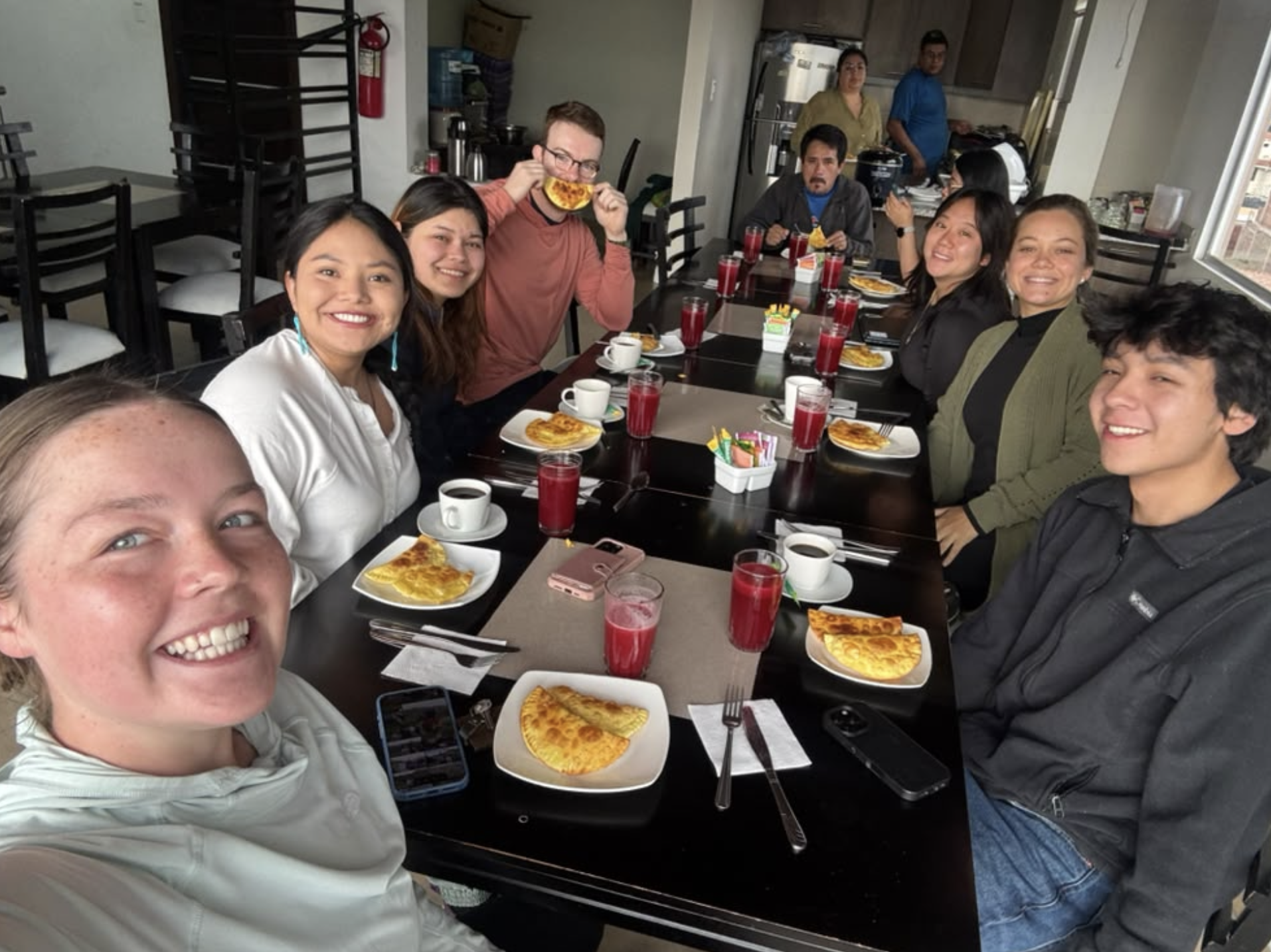
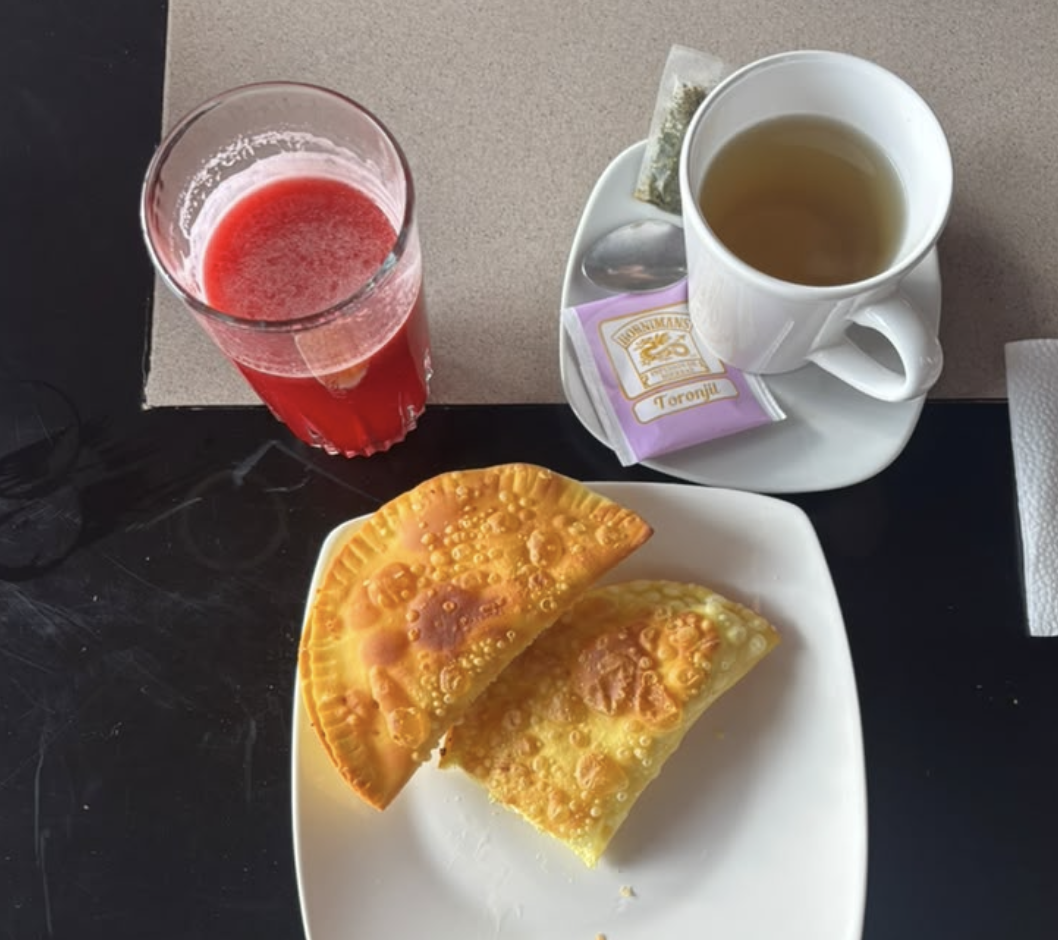
I got the most sleep out of all the days thanks to yesterday's hiking, so my Oura app sleep score keeps increasing! (Spoiler: it's still under 70.) For breakfast, they served my favorite juice: jugo de mora (blackberry juice). I love anything mora-flavored: ice cream, jam, yogurt, you name it. They served it with cheese empanadas, and I had a cup of tea as well.
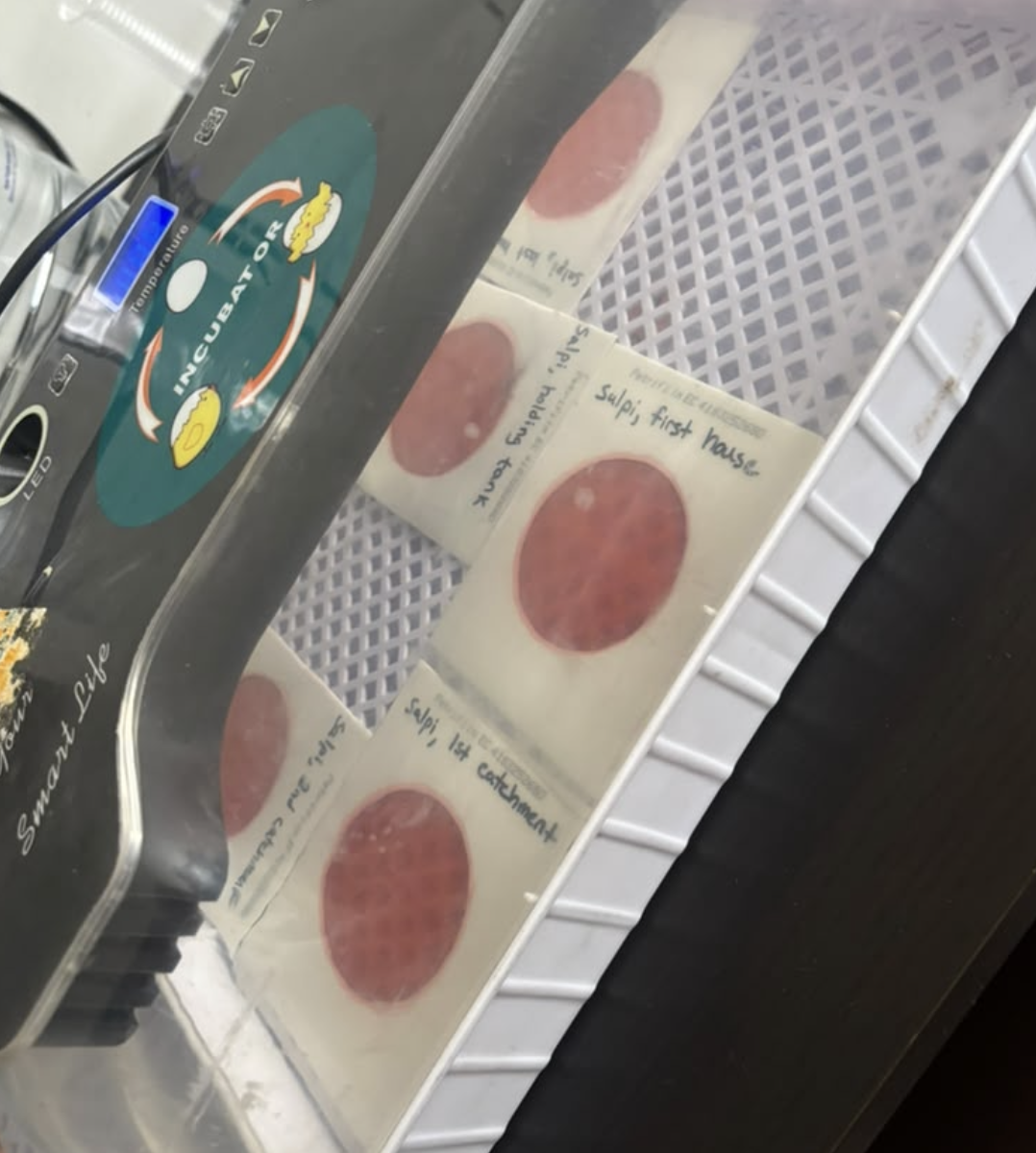
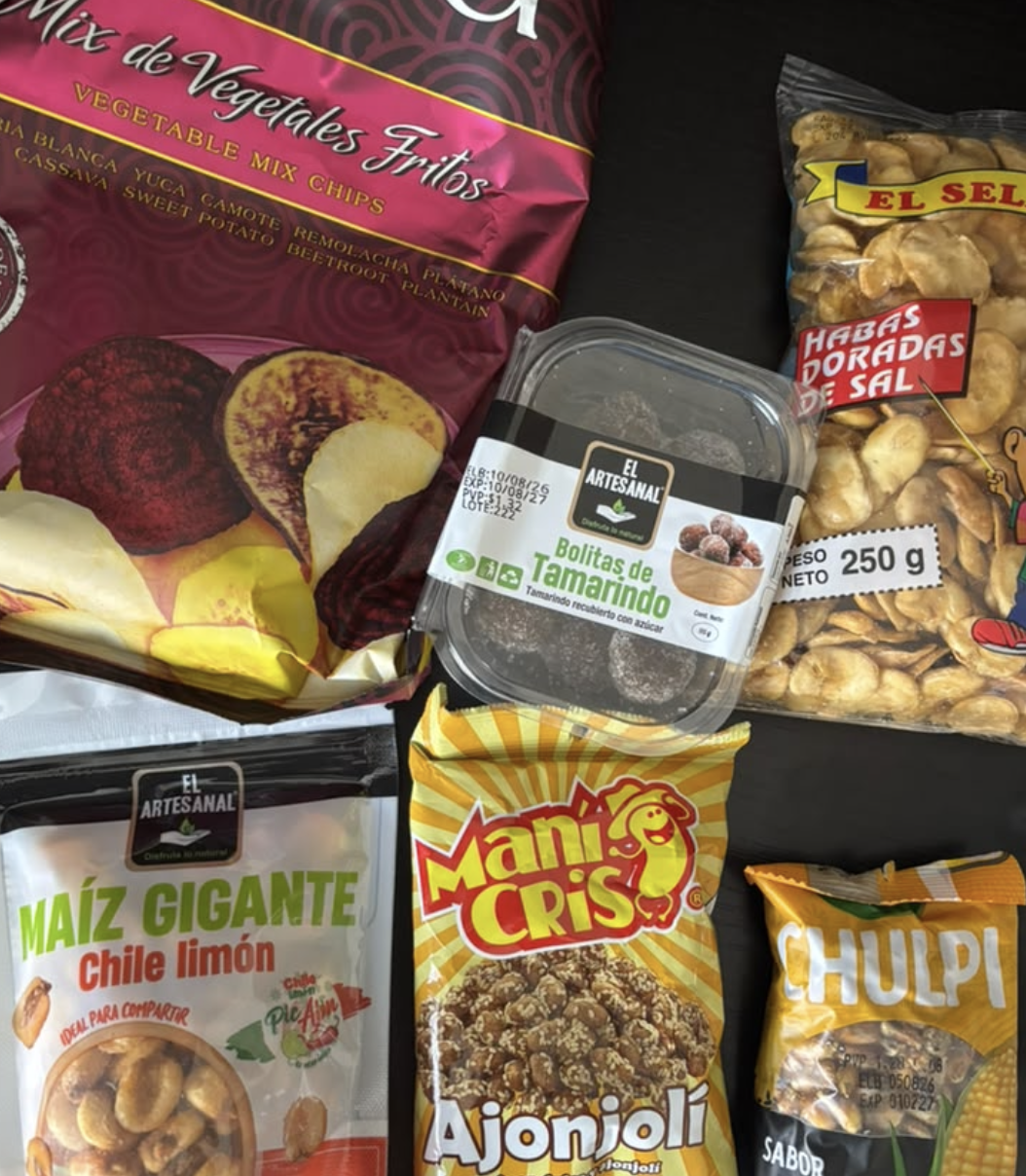
We were very curious to see how the Salpi water samples we incubated yesterday were doing, so we checked them after breakfast. No colony-forming units were visible yet, which makes sense because the samples hadn't been incubating for even 12 hours. We'll need to wait the recommended 24-48 hours before drawing any conclusions. While getting ready for the day, I packed some of the snacks I'd bought yesterday for today's hike: fried habas (fava beans), tamarind balls, and spicy fried corn, which turned out to be essential for keeping energy levels up.
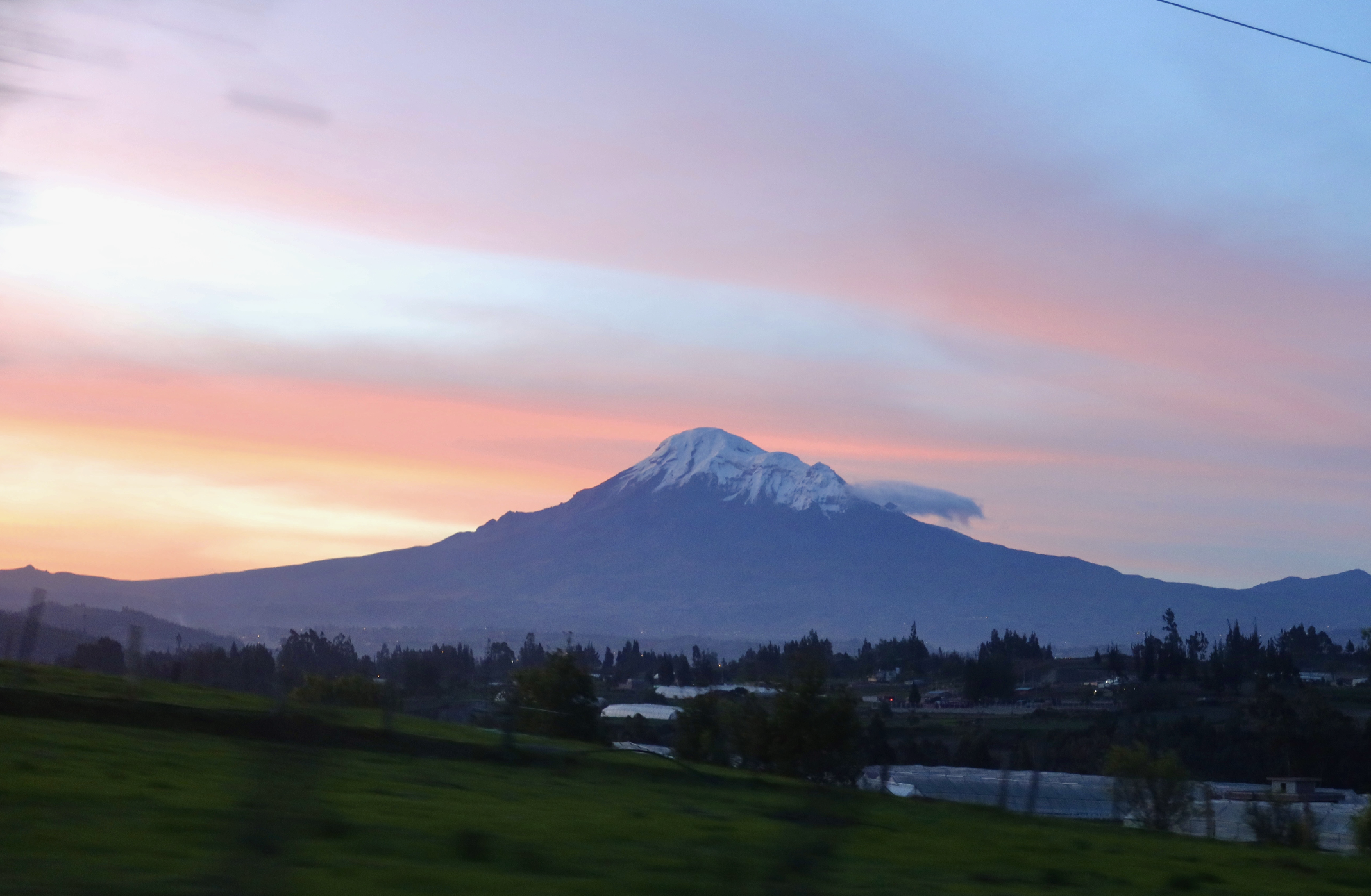
Pablo, our local engineering partner from FIEA and designated DJ, played music from Ecuadorian bands Papaya Dada y La Vagancia, as well as salsa choke to lift our spirits. I grabbed a brochure from the hotel to learn more about Riobamba (the city where we're staying) and Chimborazo Province. Riobamba is surrounded by five nevados (snow-capped mountains), and its annual festivity, "Las Pases del Niño," is recognized as intangible local heritage of Ecuador. One of the nevados is Mount Chimborazo, the tallest mountain in Ecuador, of which we have a great view on our way back. The city also boasts many national firsts—first school, first radio station, first independence battle, first social club, first church, and many more.
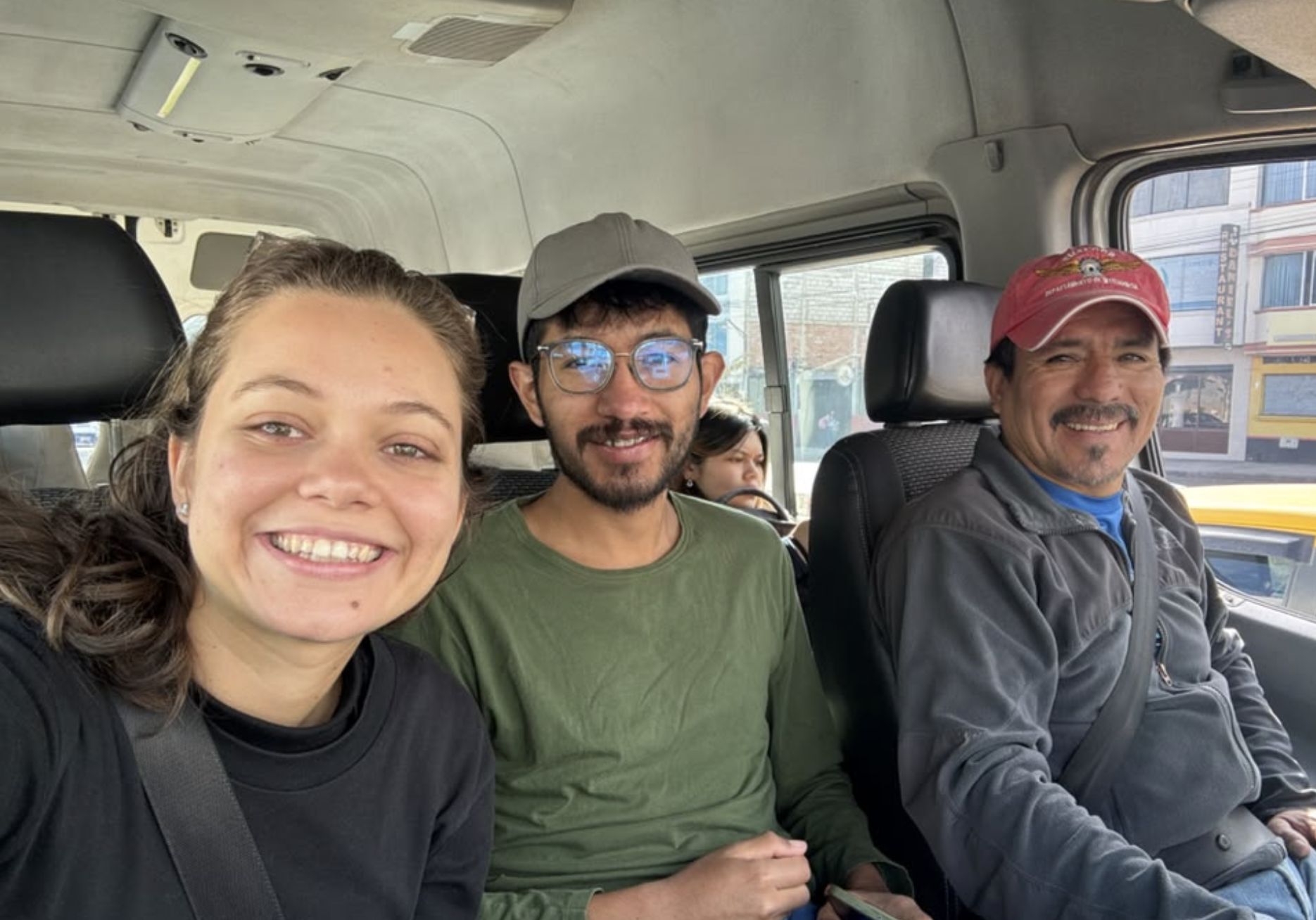
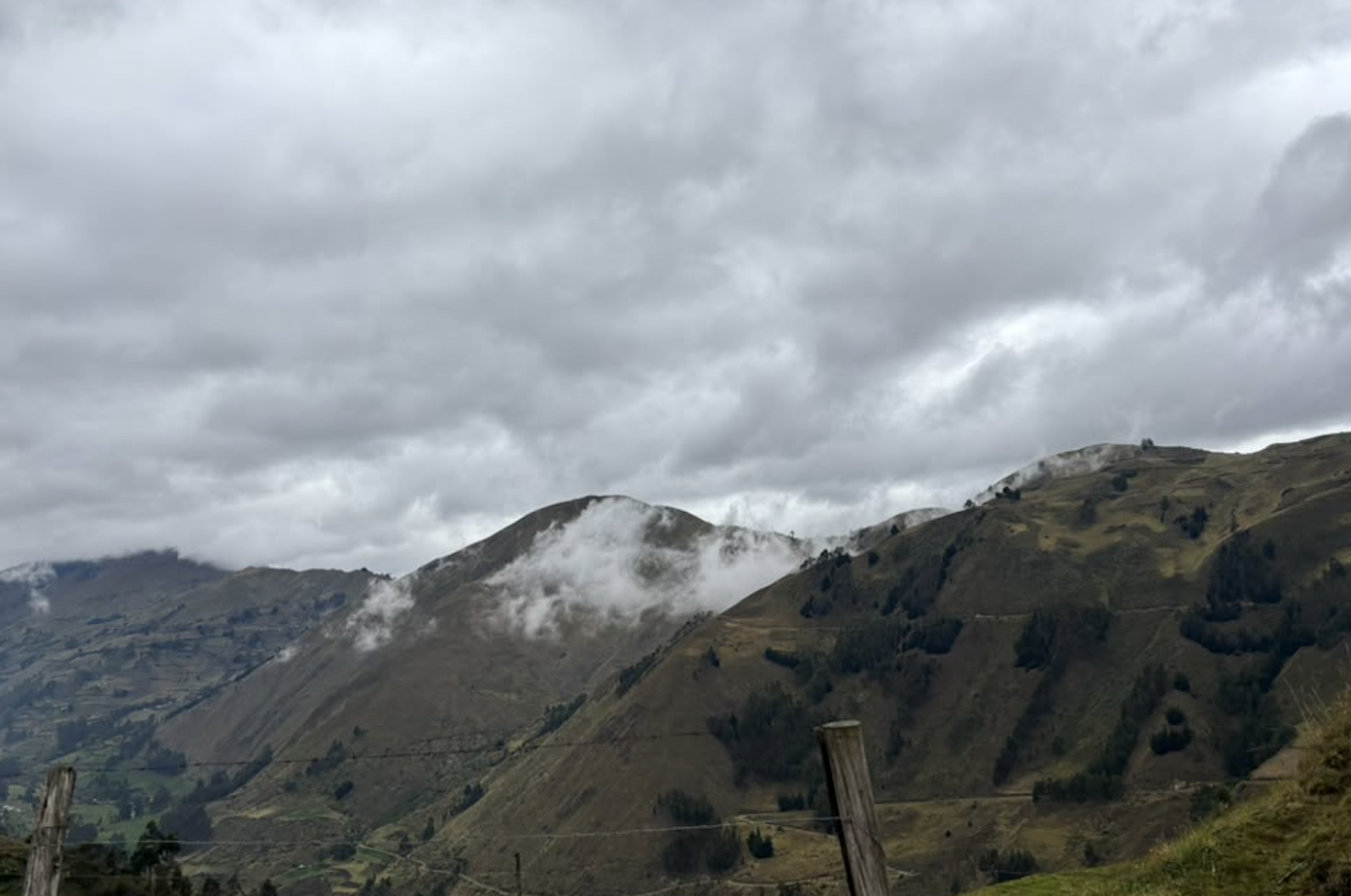
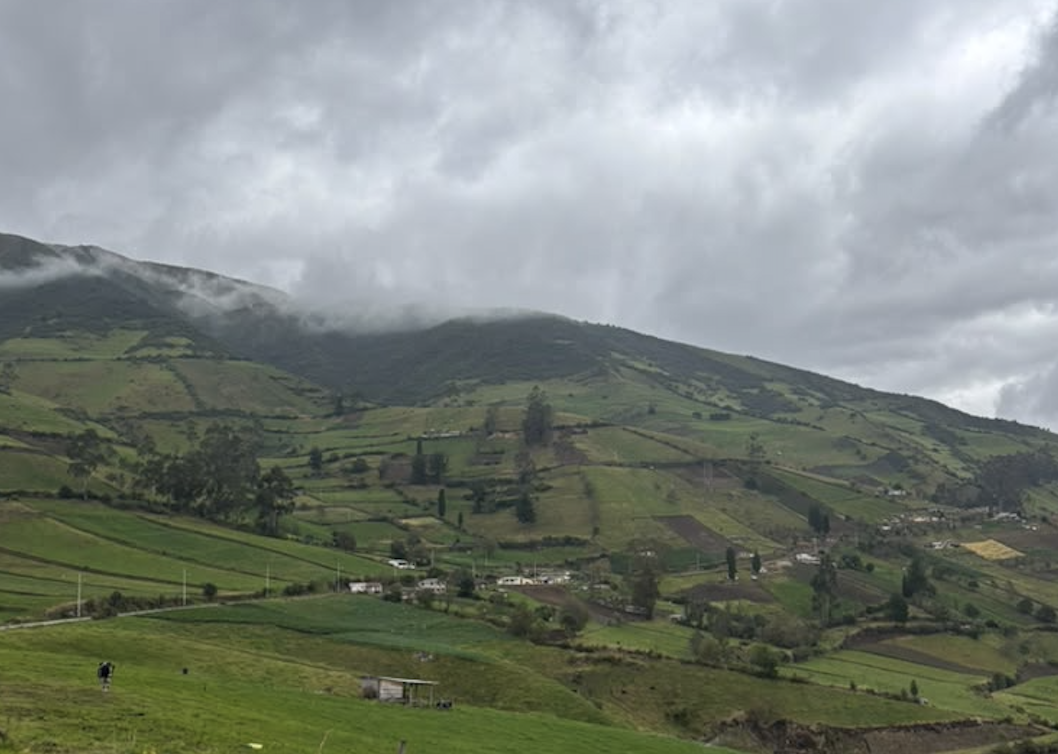
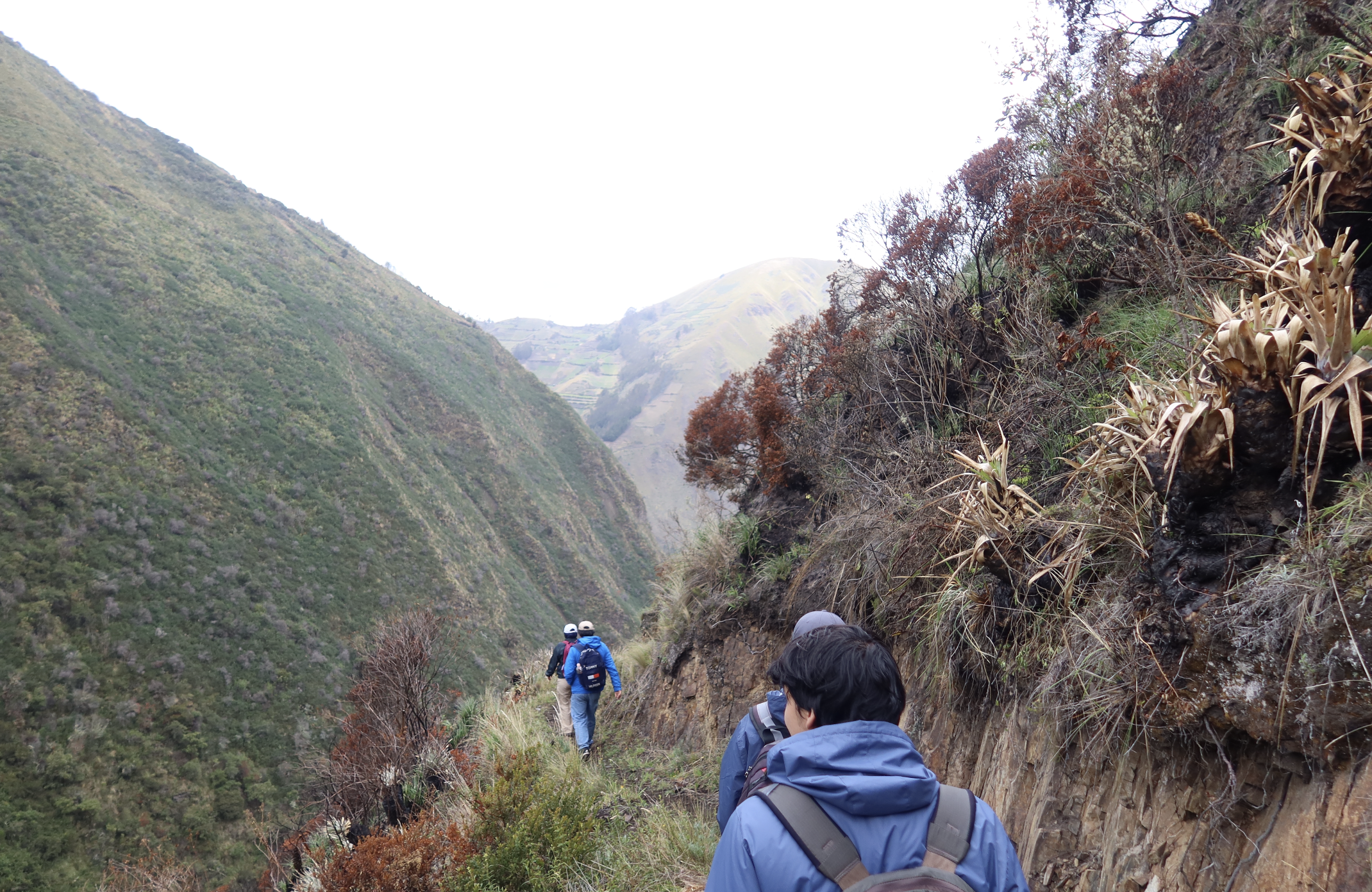
We arrived at the community and parked next to a catchment site that supplies water to a treatment plant in Riobamba. It was quite sobering to see how the city of Riobamba benefits from water sourced at Peltetec, while Peltetec itself doesn't have an adequate drinking water system. Our mission for the day was to visit the Hacienda Vieja catchment. The hike was long but less steep than yesterday's trek, which made it more manageable for me. I used a zigzag technique going uphill to reduce the strain, and it really helped! Along the way, I kept catching whiffs of a lovely minty smell from a plant they call "tipo" that locals use for tea.
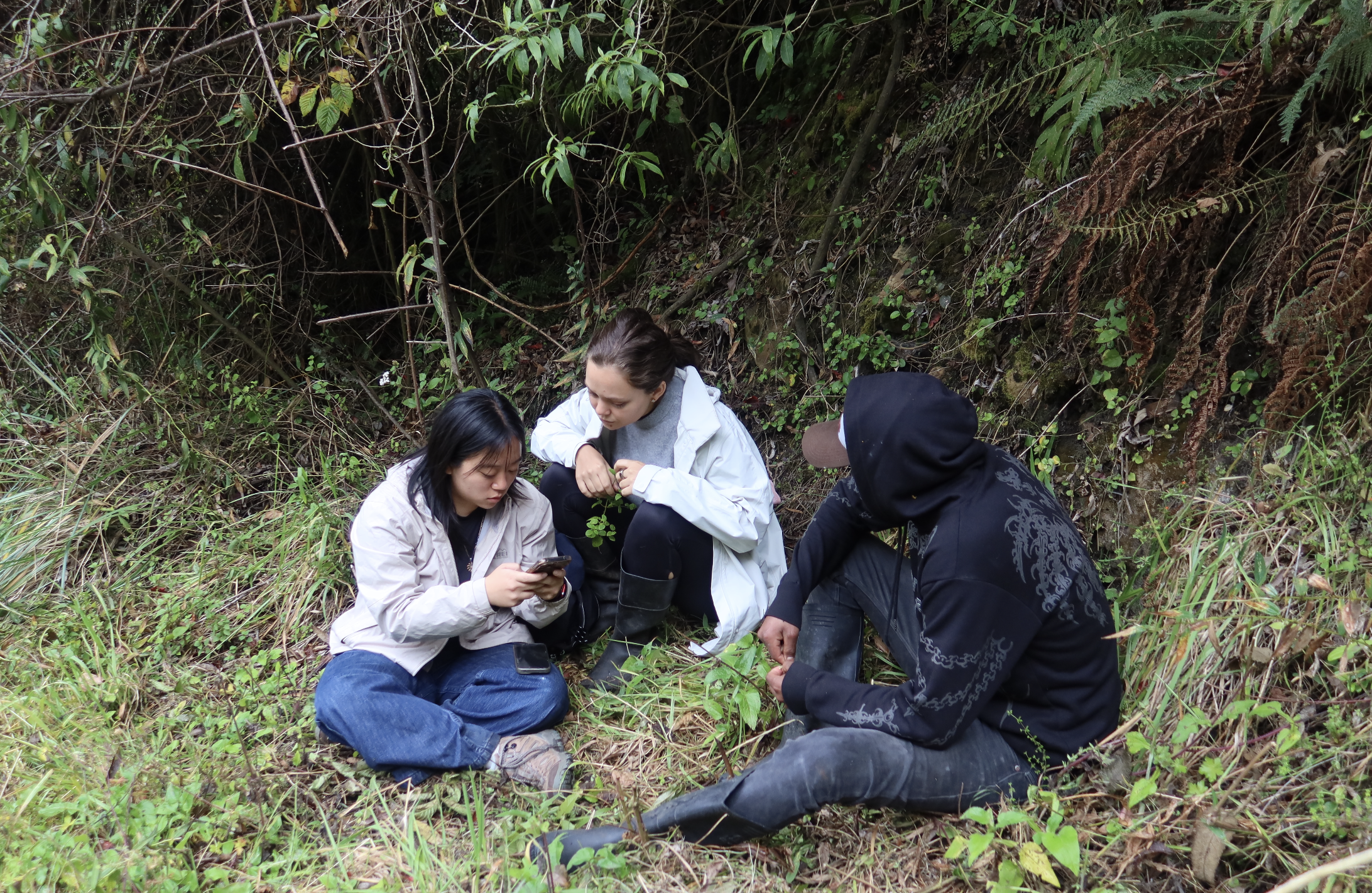
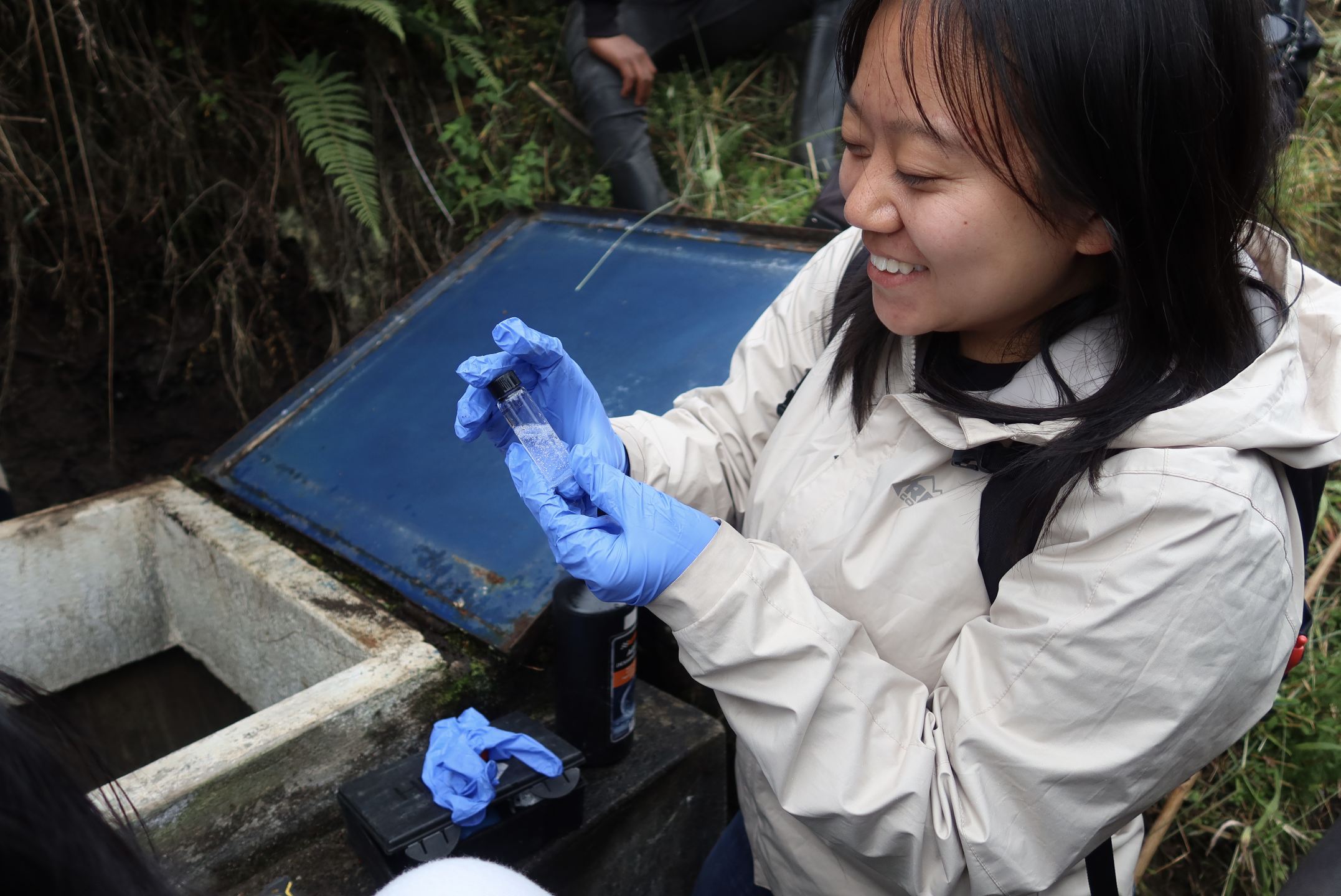
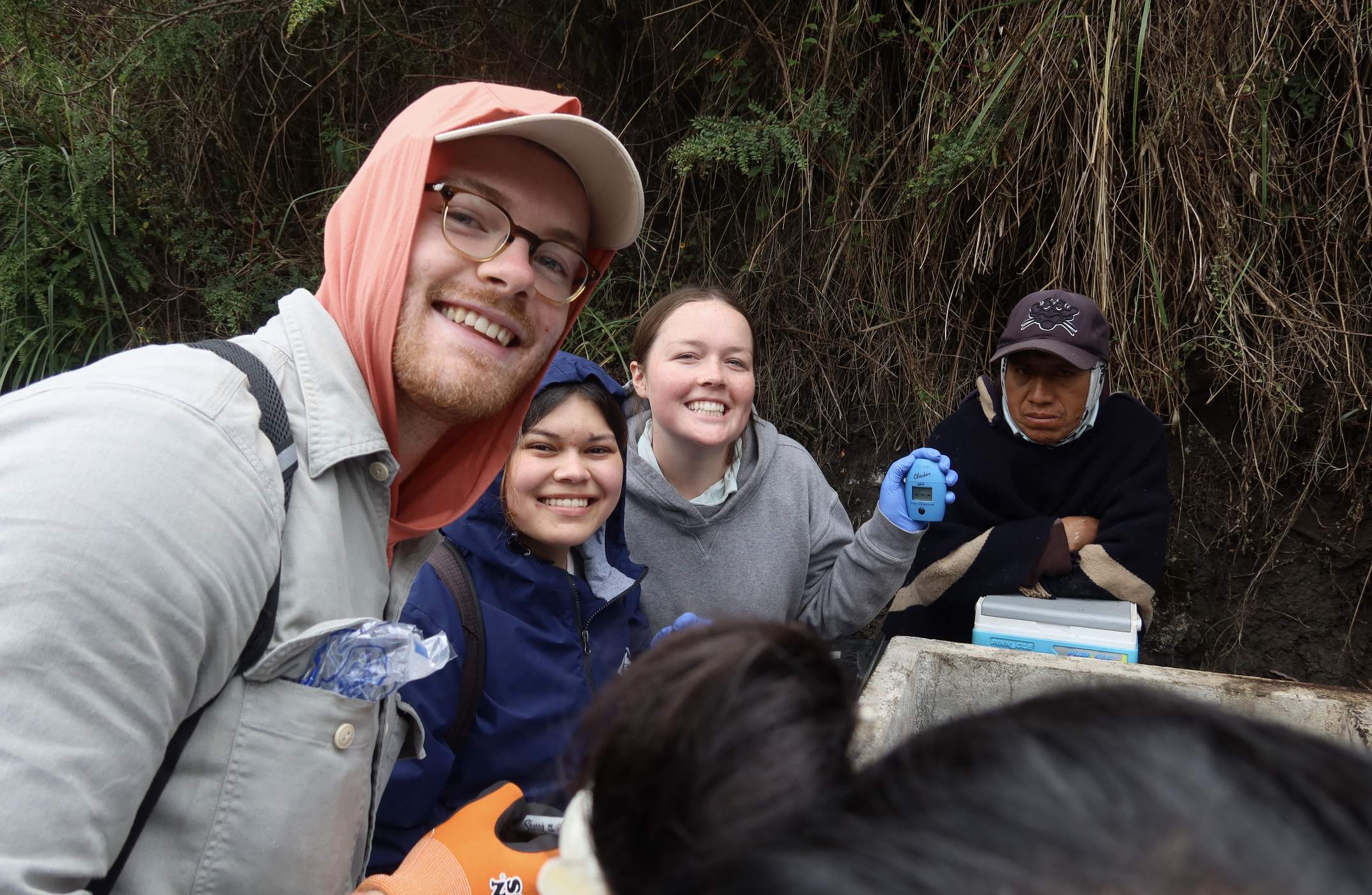
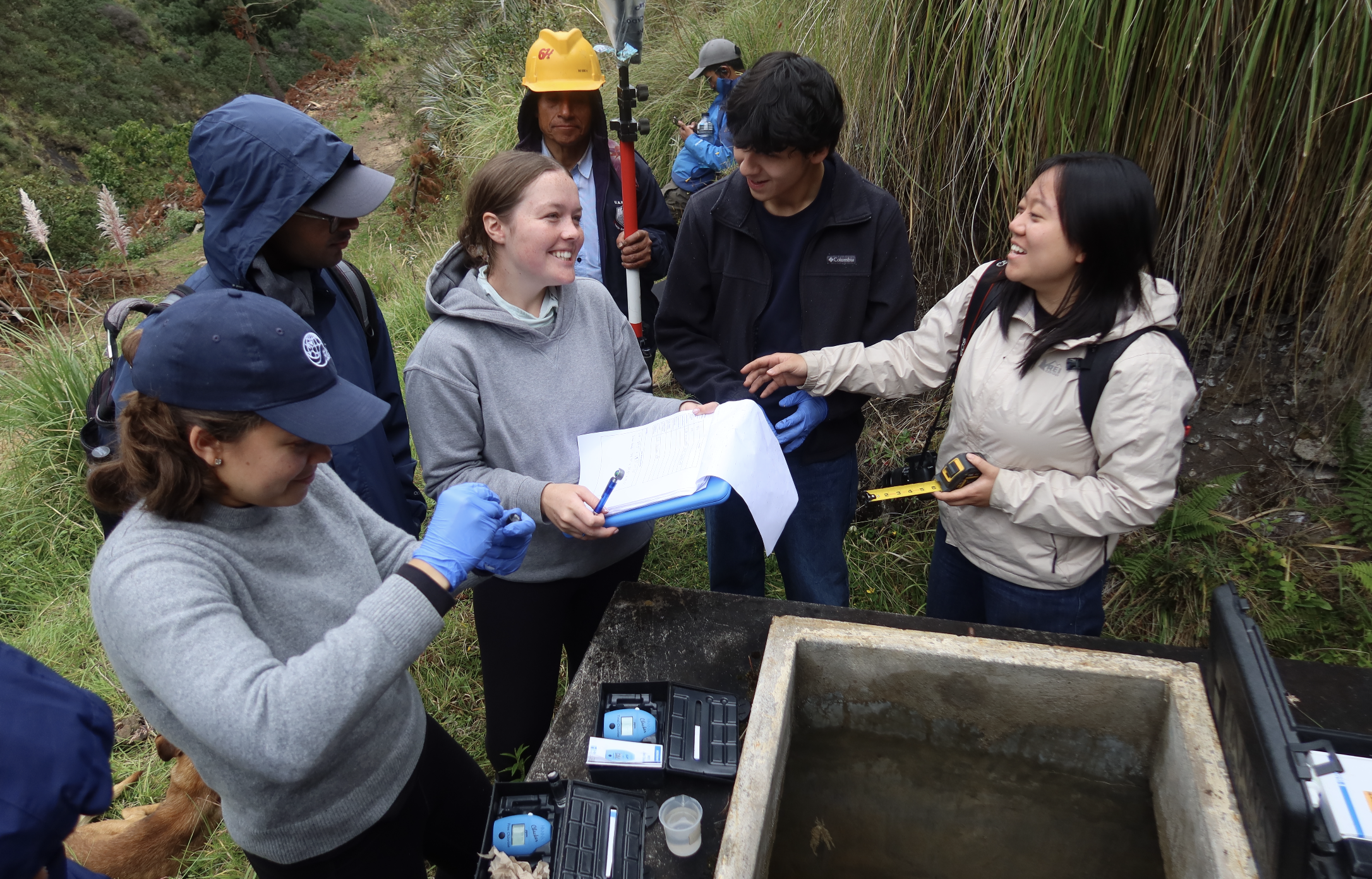
Once we reached the catchment tank, the team began water characterization and quality testing. Emily and I sat aside and continued conducting household surveys, completing four interviews with residents of Peltetec and Hacienda Vieja. Since FIEA hadn't been able to complete topographical surveys of Hacienda Vieja during their earlier visits, we brought surveying equipment, and the team conducted those measurements simultaneously with the water testing.
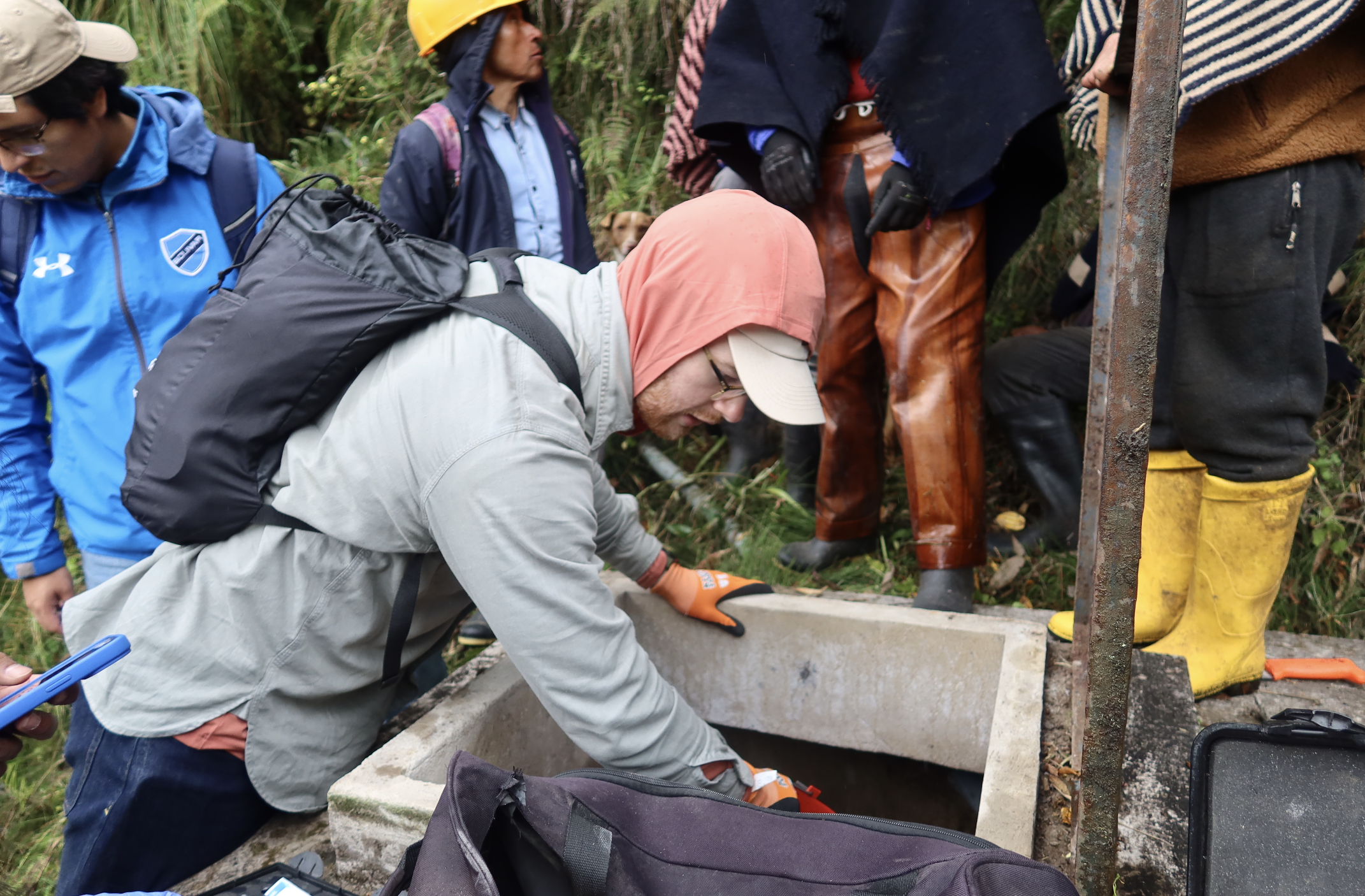
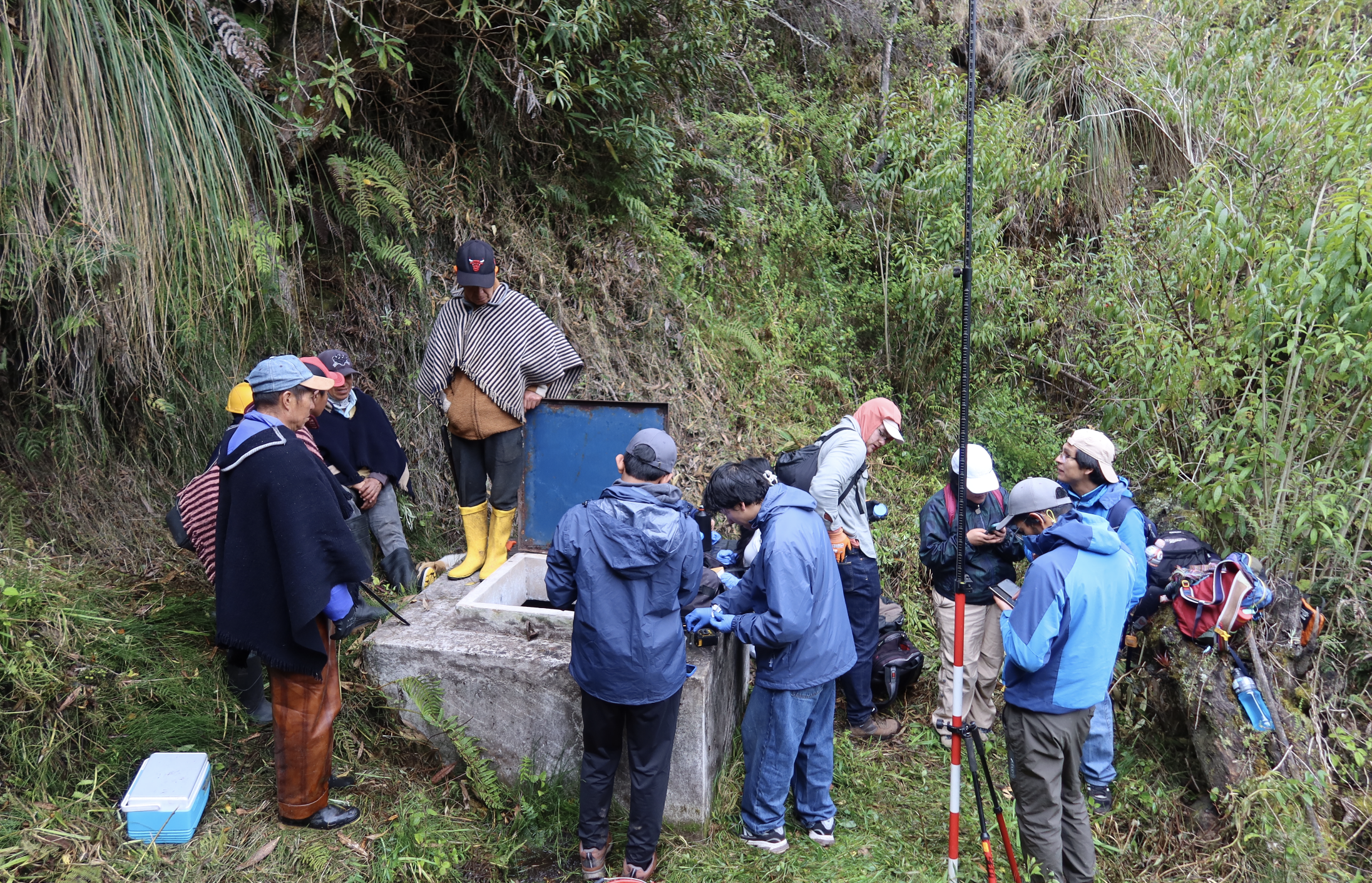
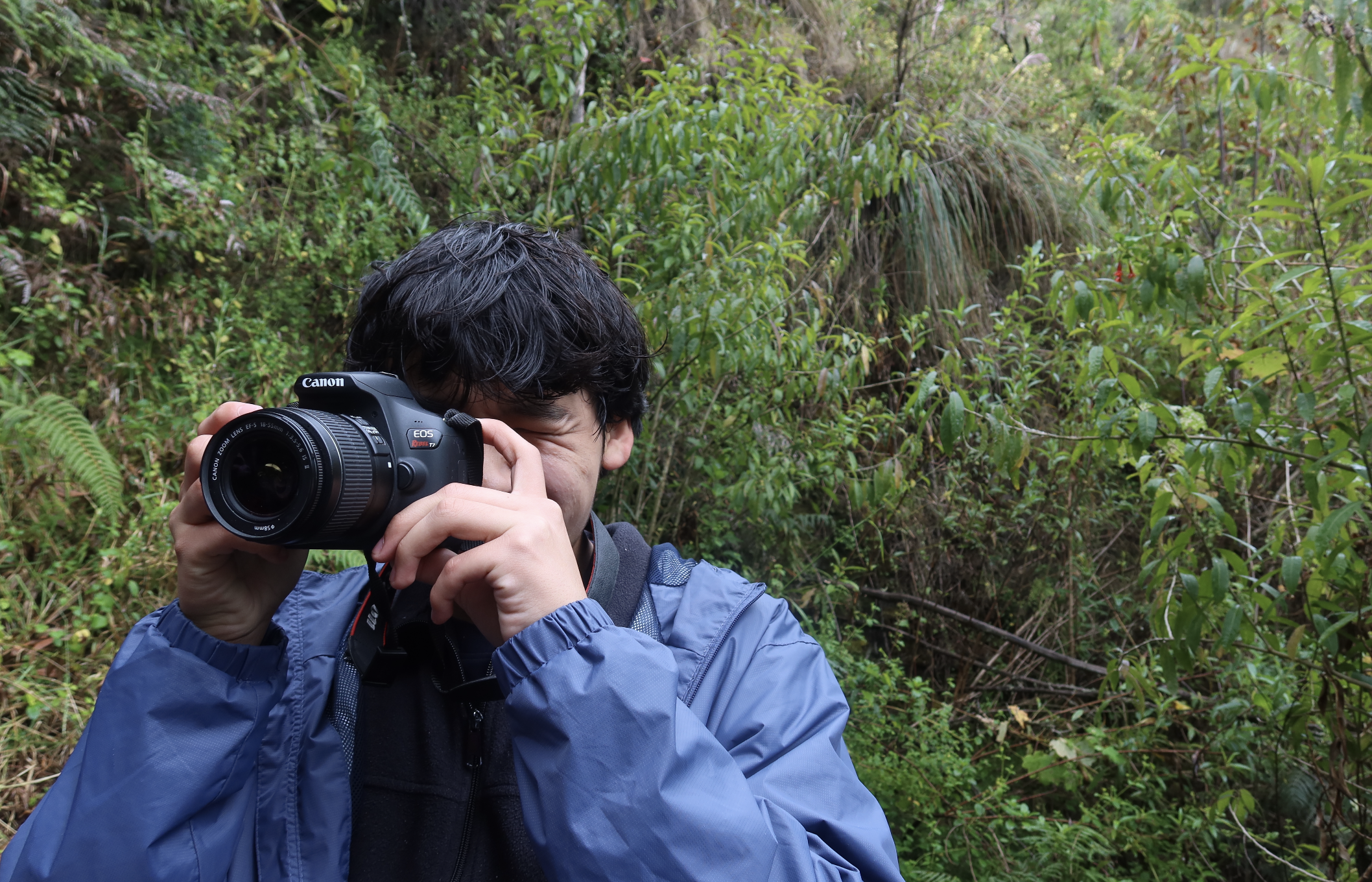
We descended a very steep section to reach a pressure break tank, where we repeated our characterization and testing procedures. By this point it was past noon, so I snacked on spicy corn and tamarind balls to regain energy. After finishing our work there, we continued downhill to visit two more pressure break tanks and the storage tank, documenting conditions and taking measurements and samples at each location.
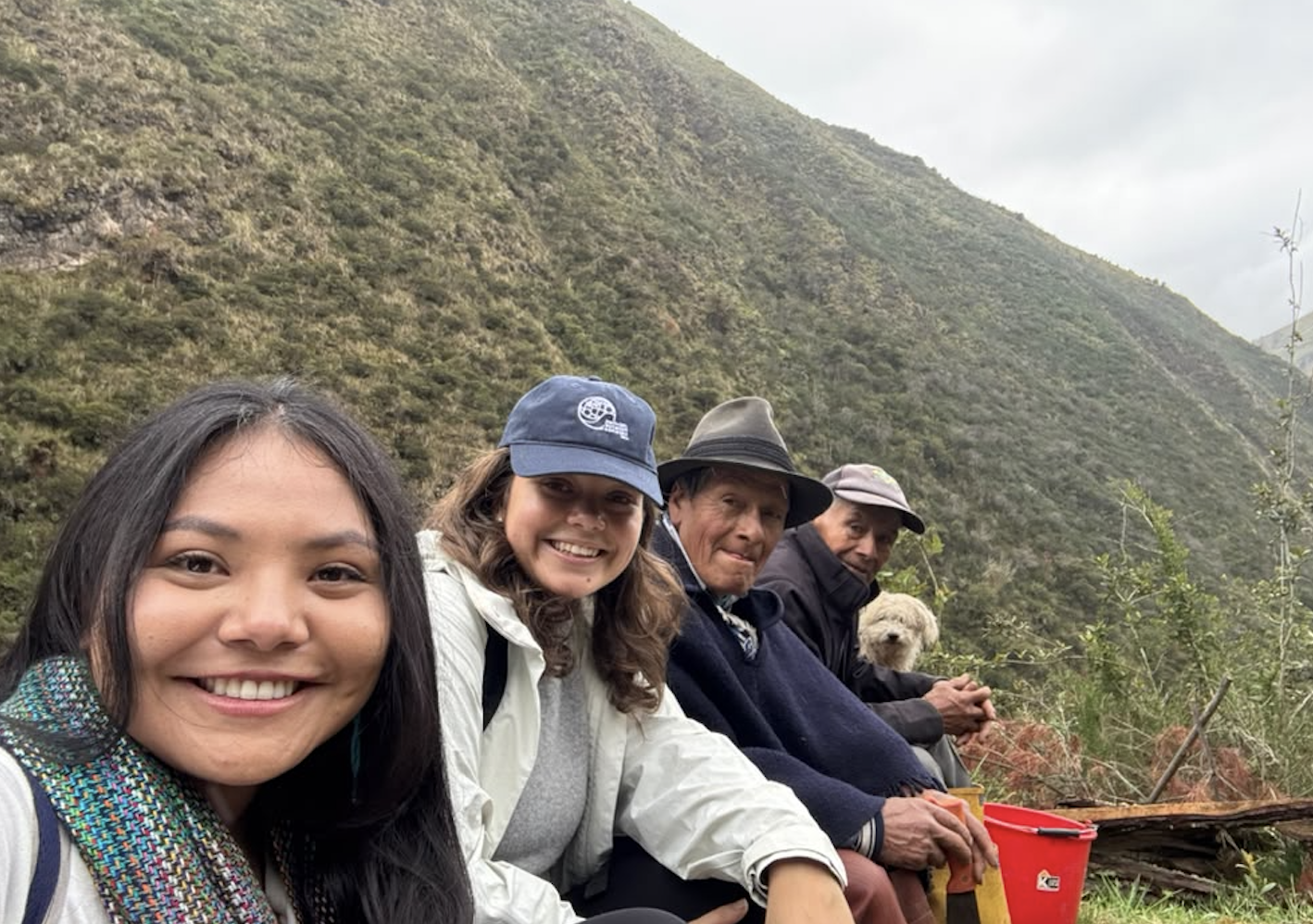
In the afternoon, we were scheduled to meet with the community and water leaders at 2pm, but it got postponed to 3pm, which worked out perfectly since we were running behind. Half of the Stanford team continued doing water testing at the first and last households, while the other half attended the meeting. We had a quick lunch while we waited: rice and stewed beef, with soy meat provided for Srinath and me since we're vegetarians. We also tried pepino (tree melon), which was new to most of us.
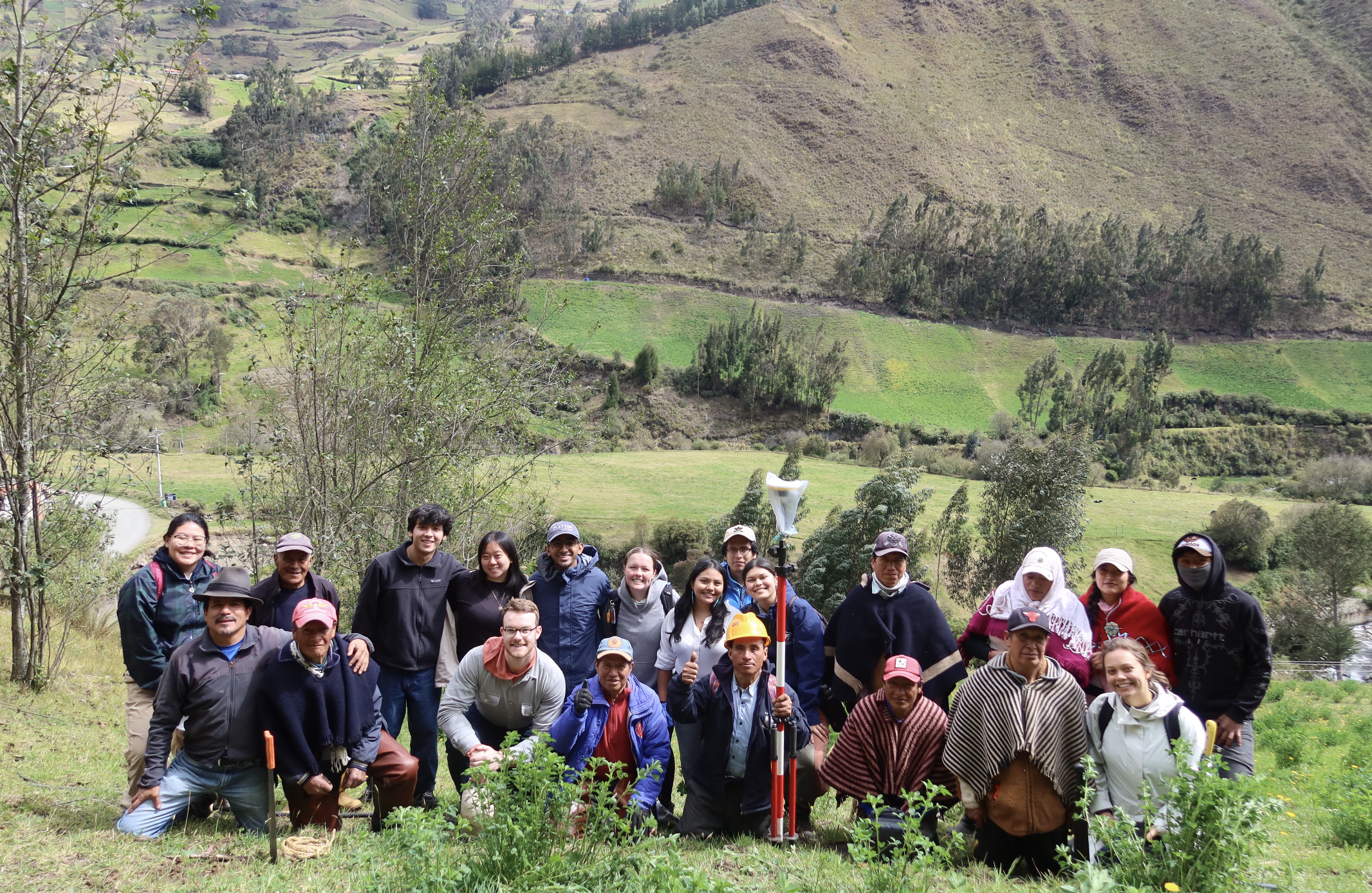
My mentoring role for this project focuses on the community engagement portion, so I led the meeting alongside Pablo. Emily took the meeting minutes in Spanish and did an amazing job. After the meeting, we approached three women who were part of the water board but hadn't spoken much during the larger meeting. We had a separate conversation with them to get their thoughts about the current water system and our involvement. These conversations gave us valuable insights into how the community manages and experiences their water system. I also learned that a "minga" is a traditional community gathering where members work together to improve shared resources or infrastructure, which reflects the collaborative spirit we've experienced here. This spirit was also evident in community members' responses when we asked how much they'd be willing to pay monthly for a renovated, potable water system. The most common answer was that the price would need to be determined collectively in a community meeting rather than decided individually—everyone wanted to agree on a fair rate together.
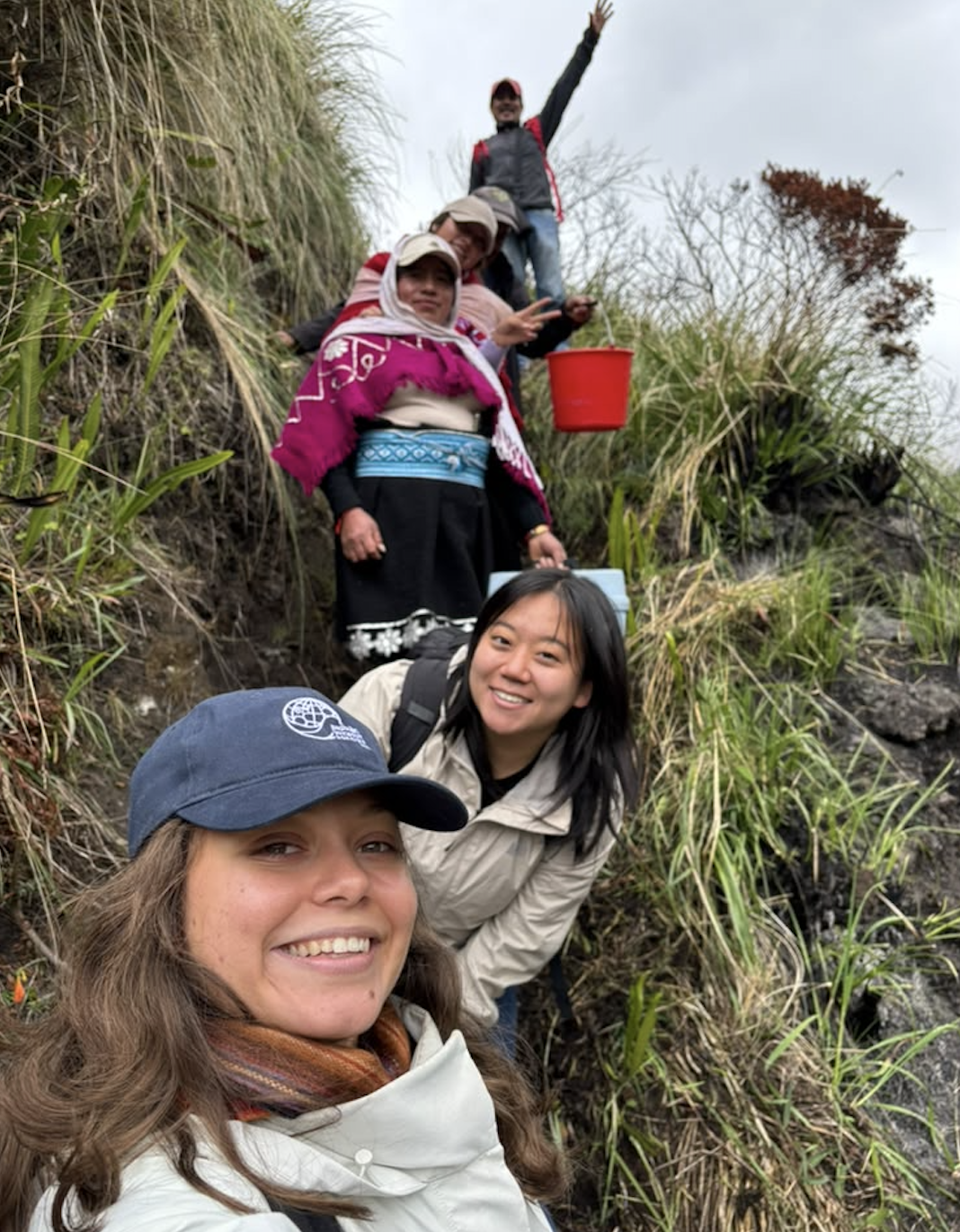
After we finished, we regrouped with the other half of our team and headed back to Riobamba around 5:30pm. On the way, we spotted one of the young women who'd accompanied us to the catchment earlier and gave her a ride back to the city.
Dinner featured dessert with mora marmalade—the perfect ending to my mora-filled day! Over dinner, we had a lighthearted discussion about which type of airbender each team member would be; feel free to share your guesses in the comments. Afterward, we returned to our evening lab work, checking yesterday's incubated petri dishes and processing the water samples we'd collected today from Hacienda Vieja. We counted a couple of colonies in some of the Salpi samples after 24 hours; we'll check them again after 48 hours have passed. We then reviewed the meeting notes from the community and water leadership meetings.
Every day in the field brings challenges, but we also learn more about our community and how these collaborations work. One of the most important lessons I'm taking away is to come in with a plan but remain flexible and adapt as the day unfolds. I am extremely grateful to the community for their warm welcome and for dedicating so much time to showing us their current water system. I feel very lucky to have the chance to work together toward improving water access and quality for them and their families.
And to you, thank you for reading and supporting our project. I hope you'll come back tomorrow to learn how our visit to Peltetec (the hardest water system to reach) went.
Camila