
Braving the Slopes of Salpi
By Emily Chu
September 4, 2026
Our second day in Riobamba began with a heavenly concoction of corn, cheese, onions, and eggs called mote pillo.
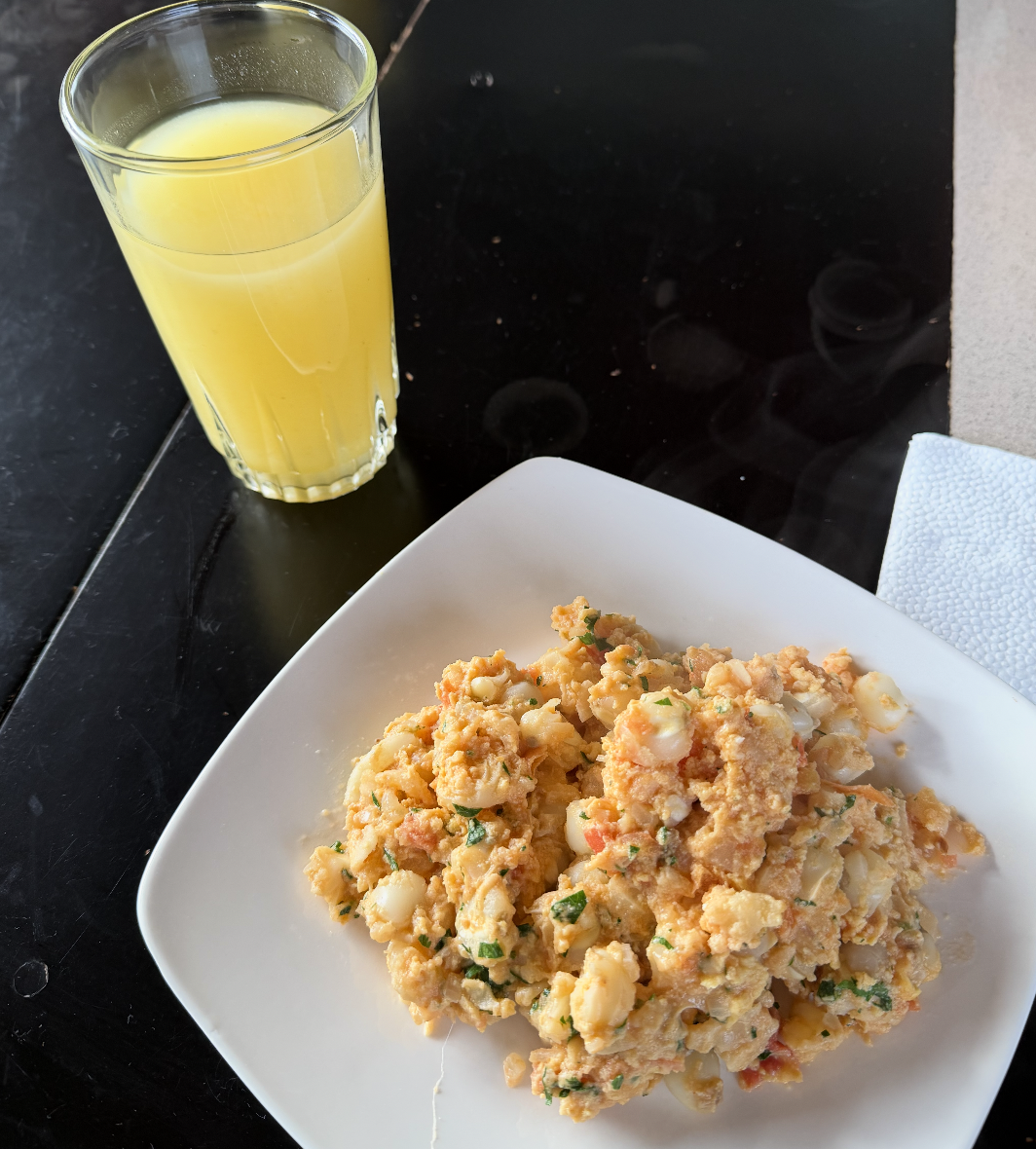
We finalized our goal for the day over breakfast: to visit at least one water distribution system in the Peltetec community (one system exists for each of the Peltetec, Salpi, and Hacienda Vieja sectors), and conduct household water surveys for the first and last houses along the pipeline.
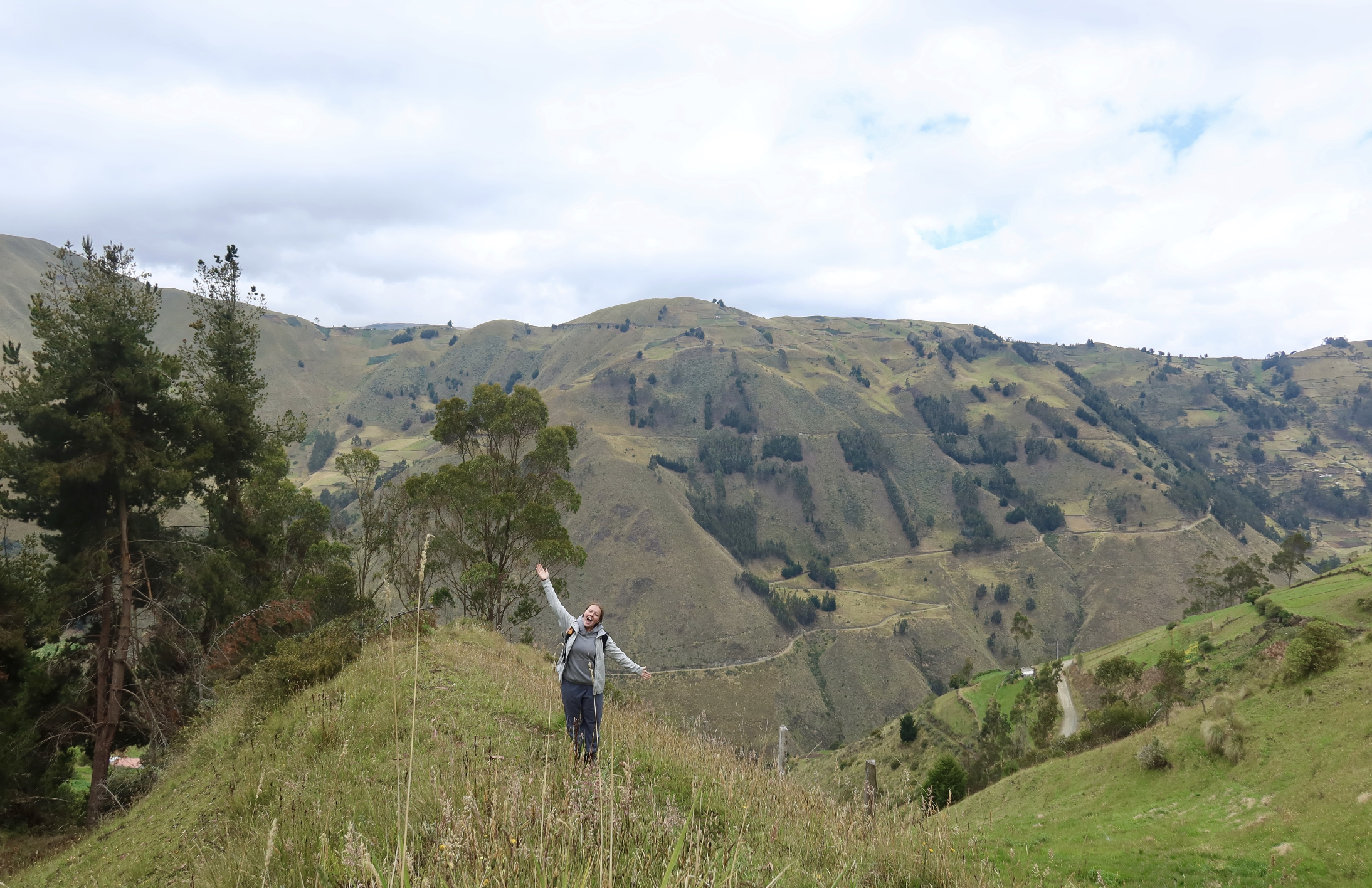
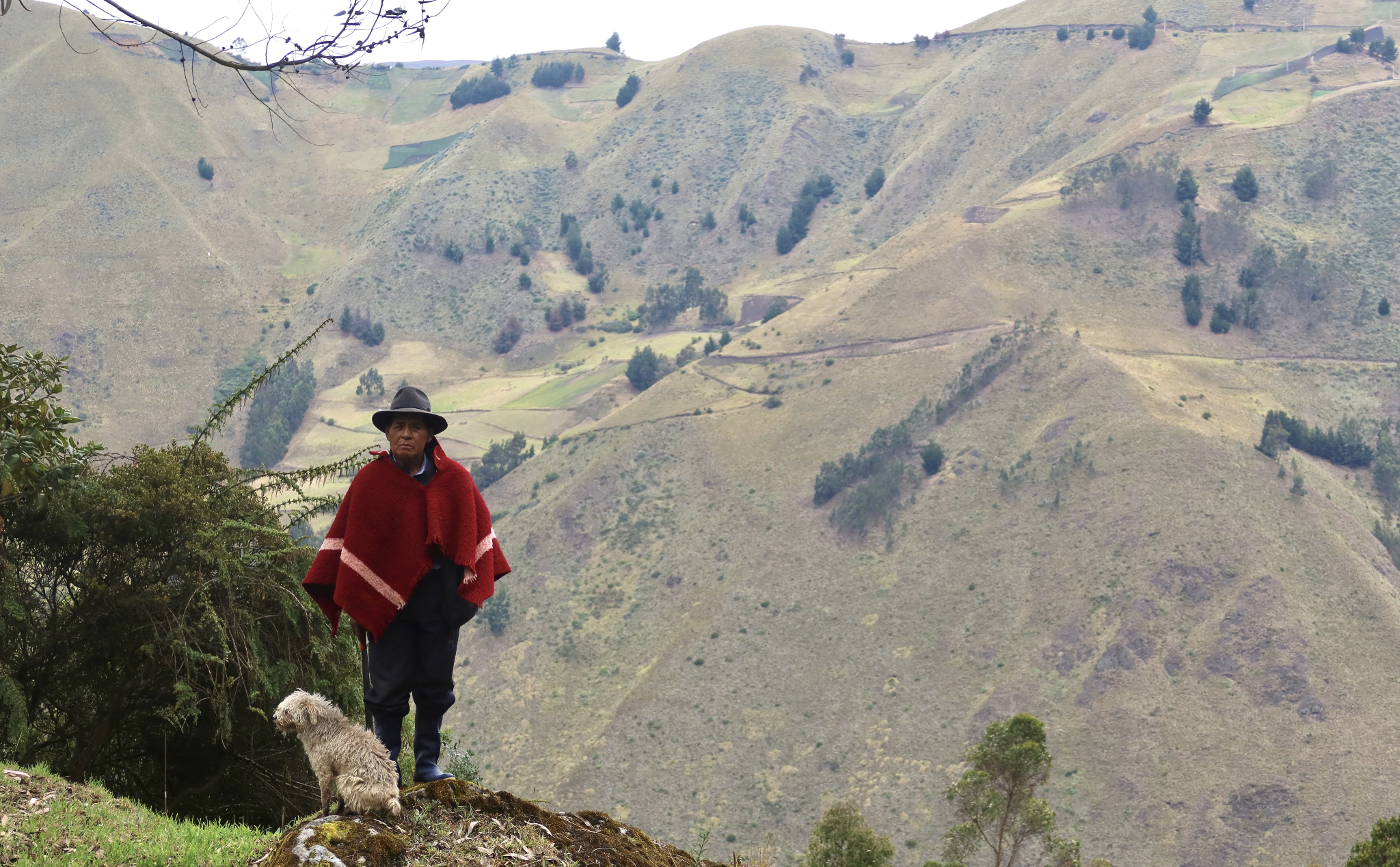
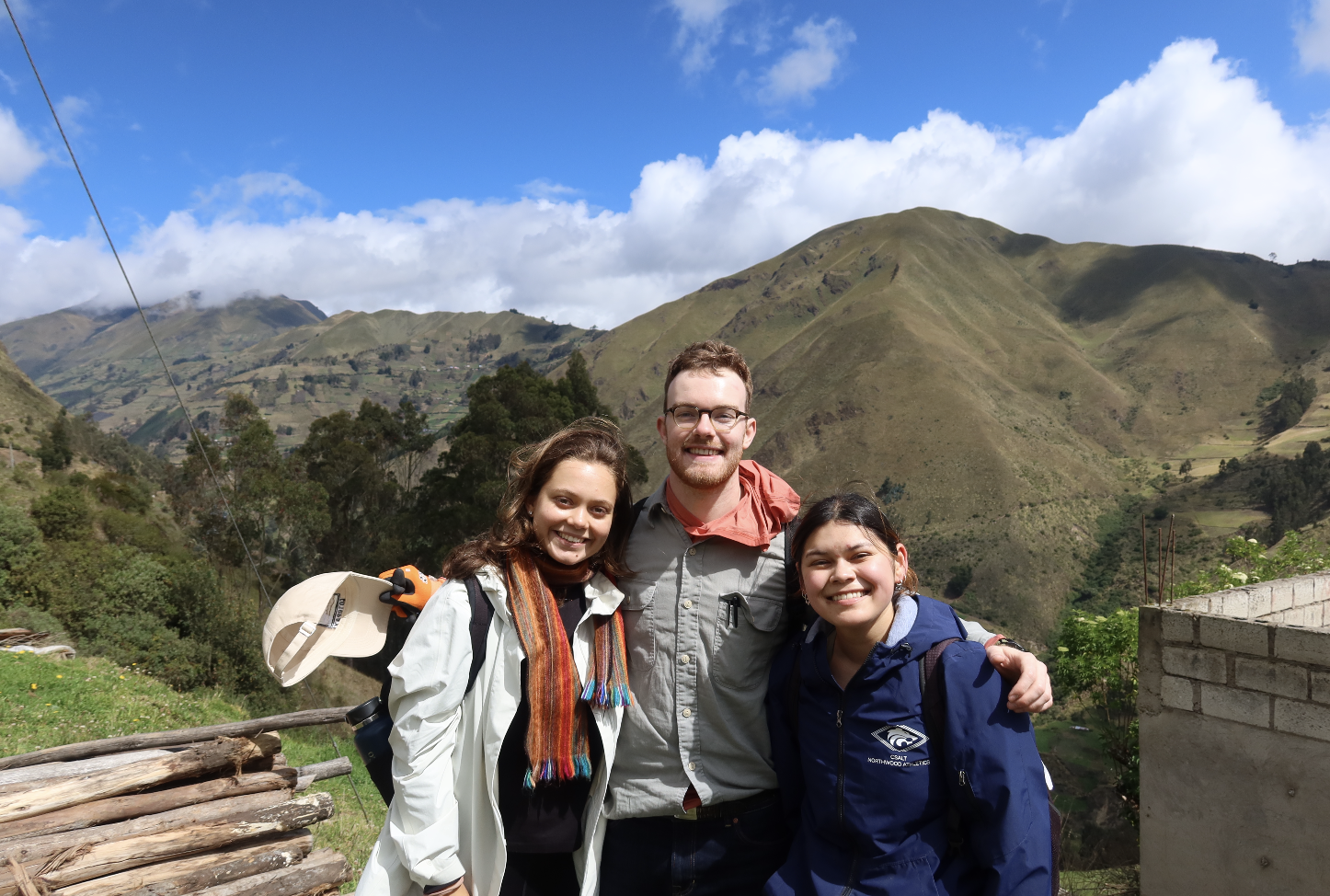
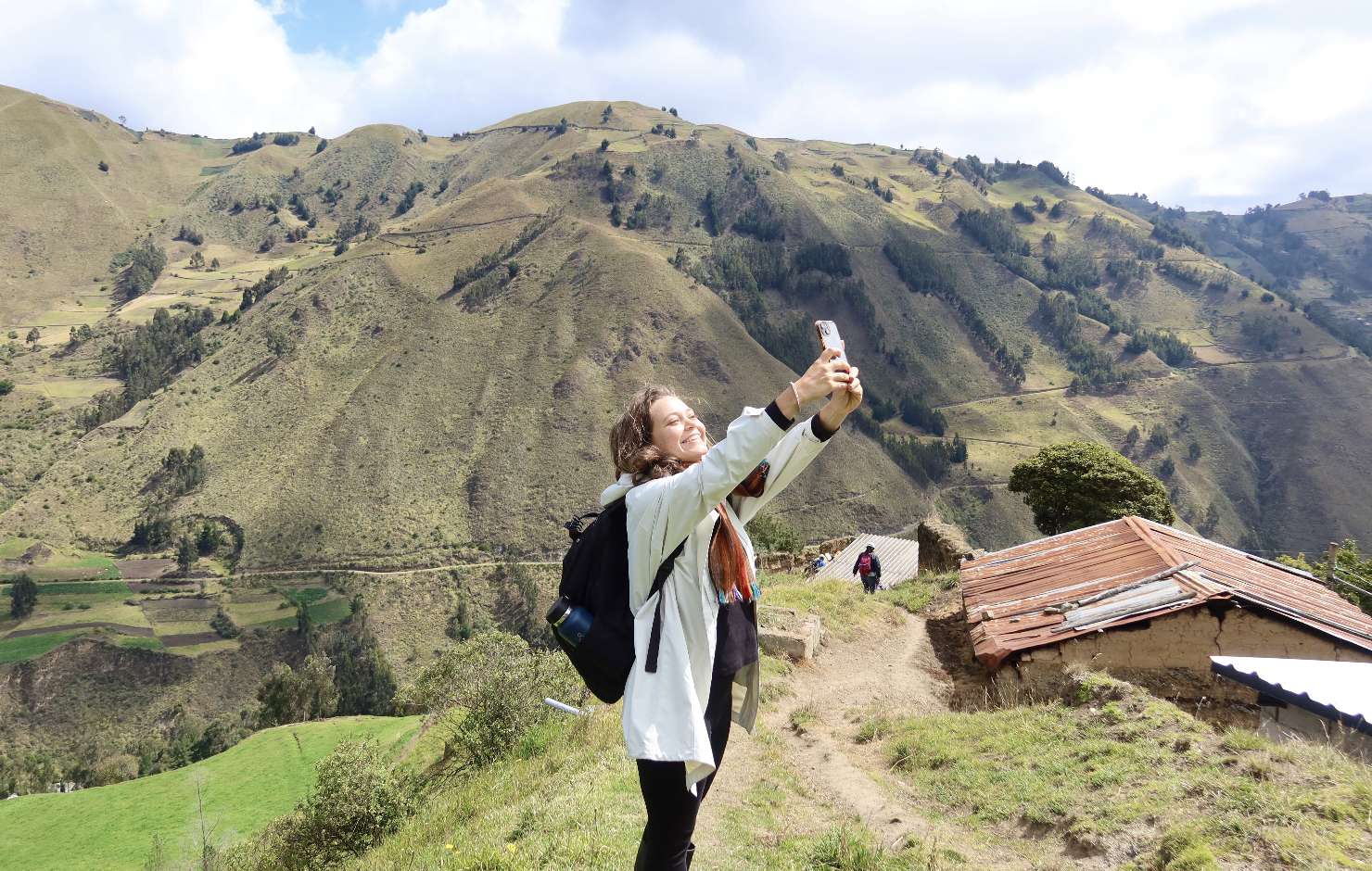
The way to the Peltetec community is breathtaking. Just fourty-some minutes out of Riobamba, the urban streets give way to pleated slopes, all backdropped against a snow-capped Mount Chimborazo, the peak of which is the closest point on Earth to the Sun. As our van lumbered dangerously close to sheer cliffsides, the scale of everything stuck with me.
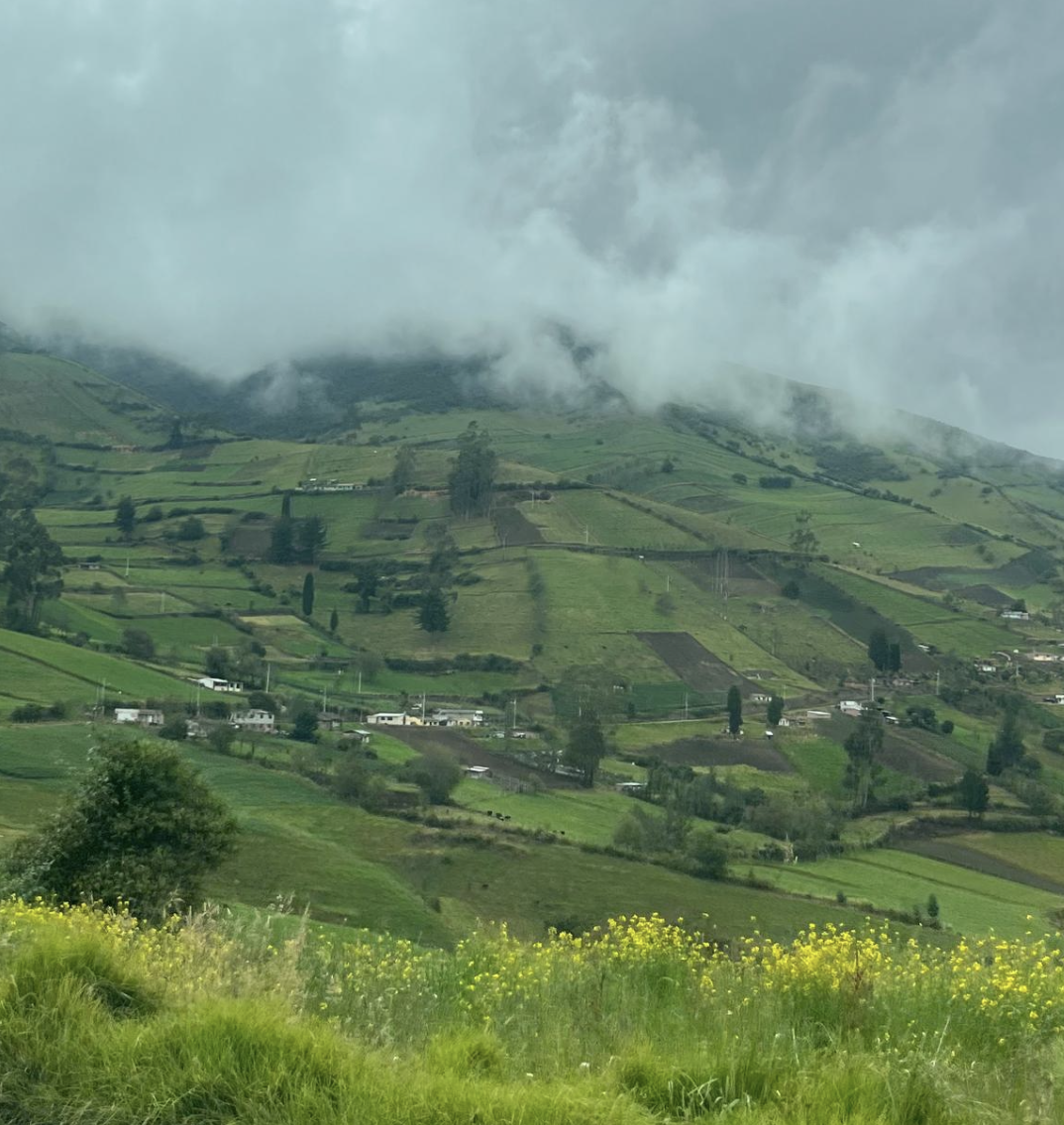
Expanses of mountain, patchworked by terraces and dotted by clusters of alpine groves
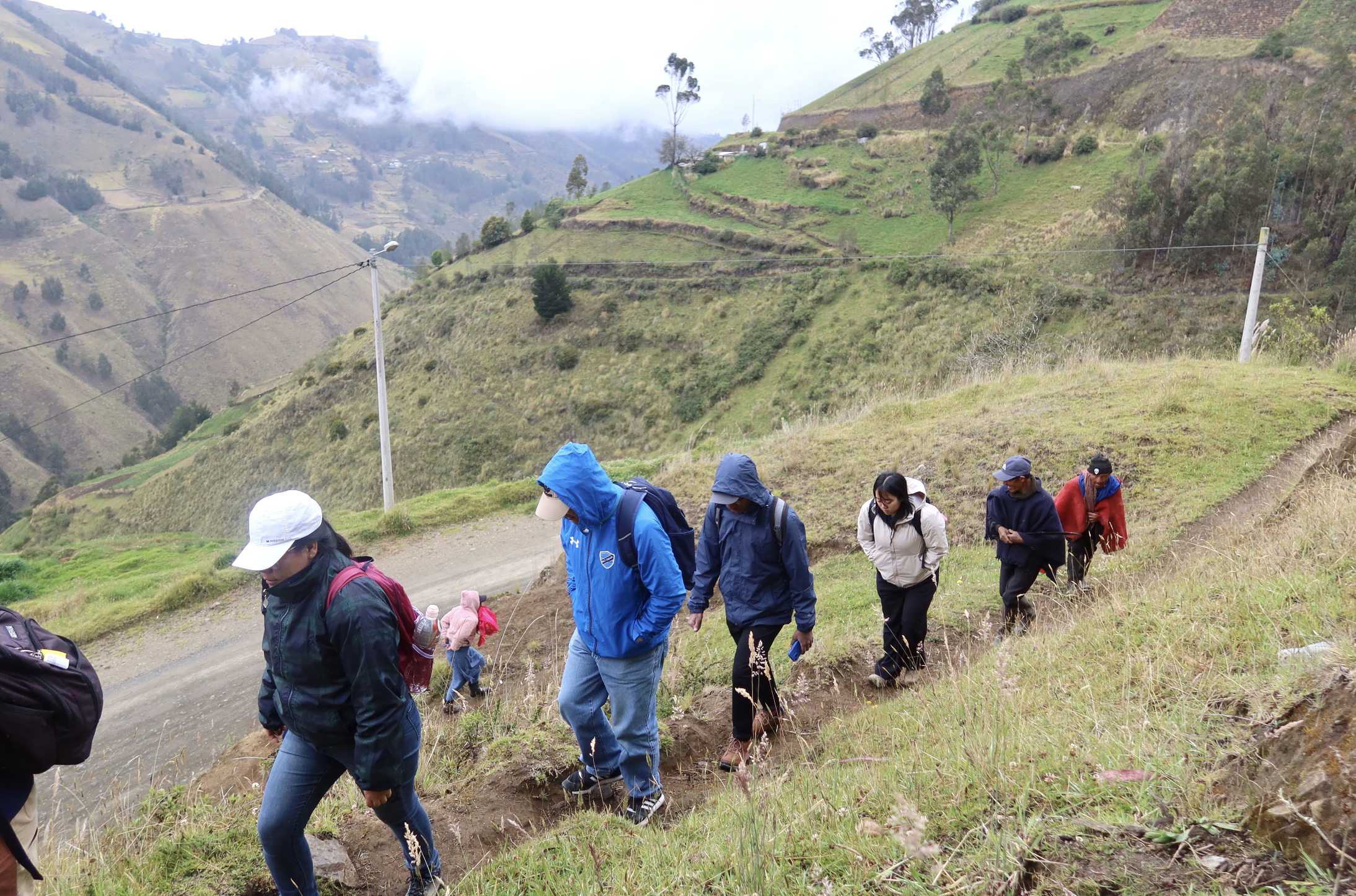
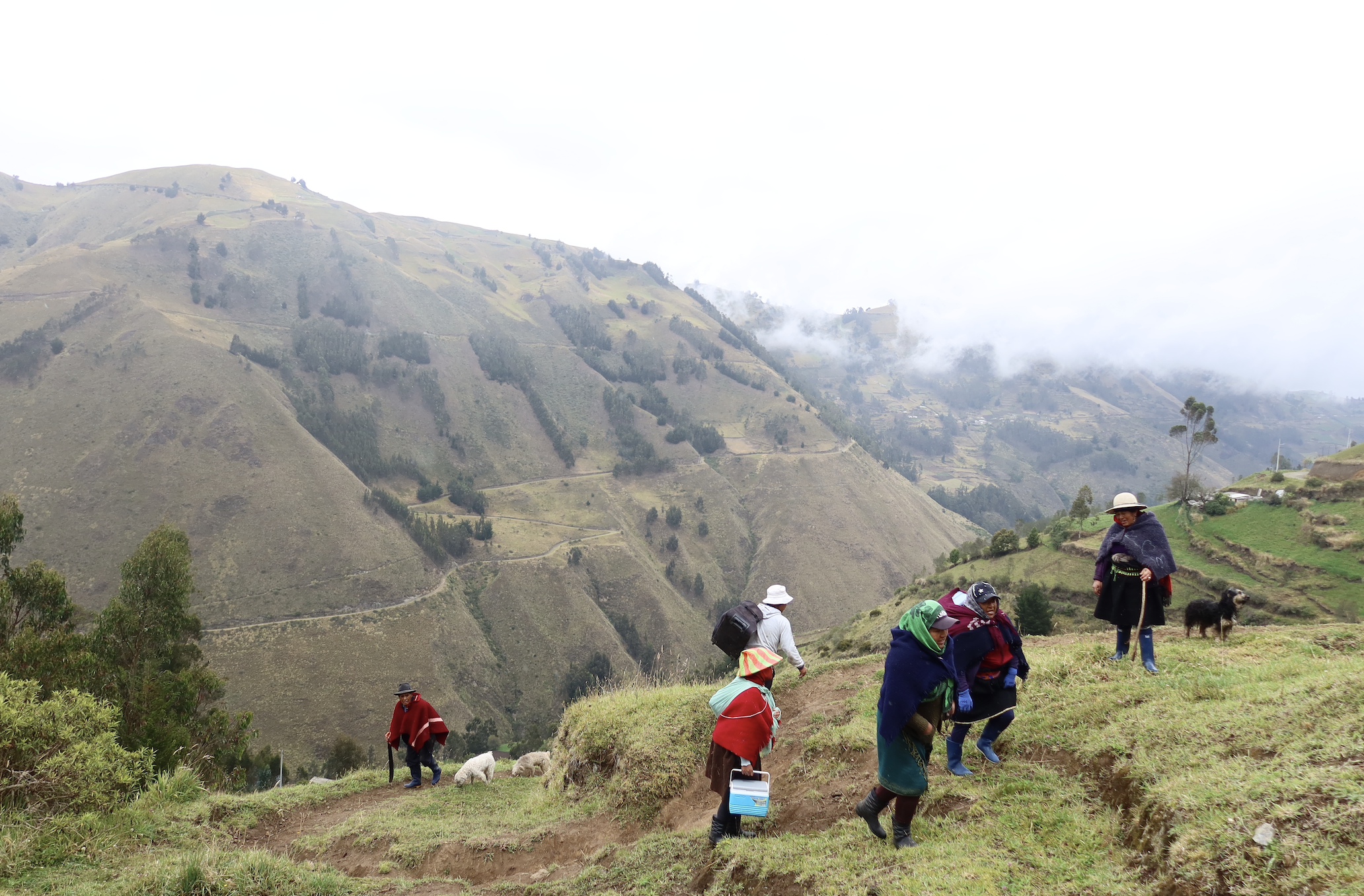
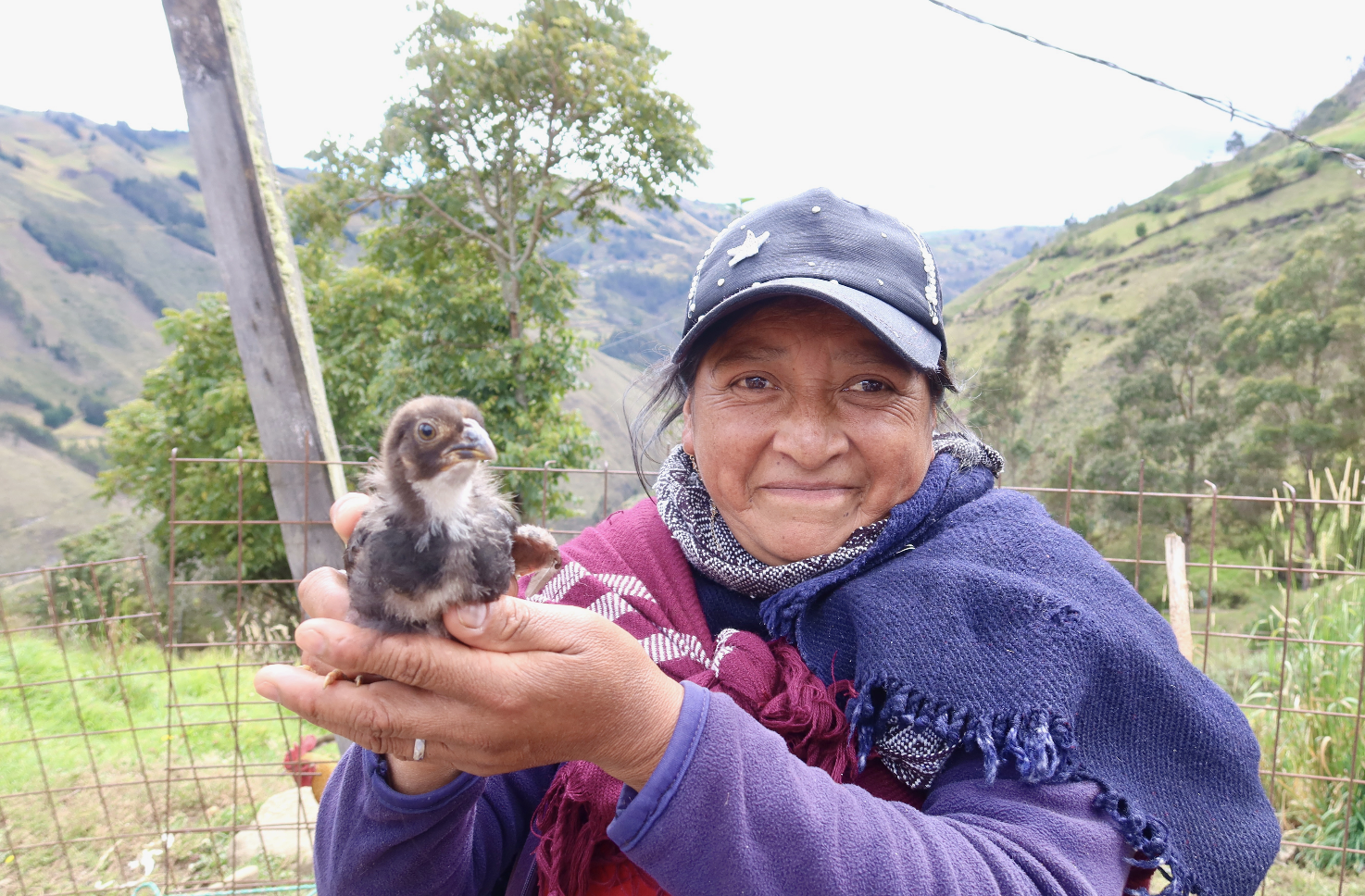
When we arrived in Peltetec close to 10am, we were welcomed by a surprisingly large entourage of community members, all friendly faces who insisted on greeting every team member individually with a handshake and a warm “¡Buenos días!”. The first water distribution system we were to visit was decided for us: a supposed not-so-bad 20-minute hike (talk about foreshadowing) to the Salpi catchments and storage tanks.
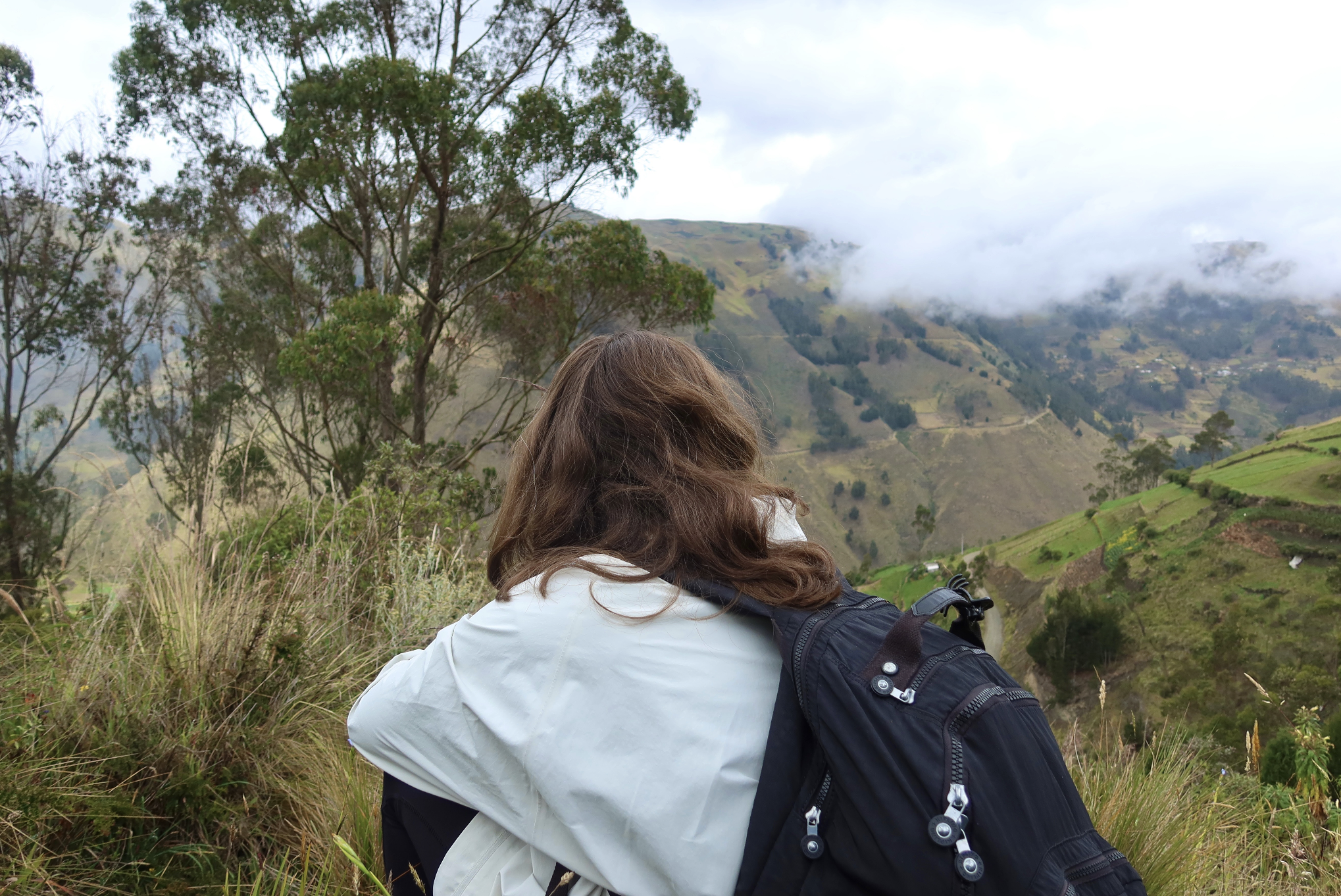
We started off in high spirits, a sprinkling of rain cooling us as we hiked single-file up the mountain. I quickly realized that my self-proclaimed granola status as a Pacific Northwest backpacker meant absolutely nothing against the altitude and incline of rural Ecuador. The hubris of man strikes yet again. This hubris was swiftly and deftly dismantled as every step I took brought me closer to acute heart failure, while the locals breezed up the slopes, laughing at the struggling Americans. My ego was particularly shattered when I realized that the group of lovely Peltetec girls who had waited for me at one of the hills had, in fact, been livestreaming the entire ordeal to TikTok, and would continue to do so for the next hour (“Mira, la Chinita!!”). Admittedly, some of our team (who I will not name for fear of inflating already large egos) were able to keep up with the locals, and could begin the technical surveys while the rest of us huffed and puffed our way up the hills.
Our first technical survey was at Salpi catchment #1. The key purpose of these water pipeline surveys is to obtain a general sense of the current structural and water-related conditions of each step along the pipeline. Doing so can allow us and the community members to identify what Wilson calls “easy wins” – simple solutions to important, yet easily-fixable issues. Under Wilson and his bright blue clipboard’s guidance, as well as with the help of the community members, we measured the dimensions of the catchment, the water flow rate, turbidity, chlorine levels, and an assortment of other indicators from test strips and the multiparameter.
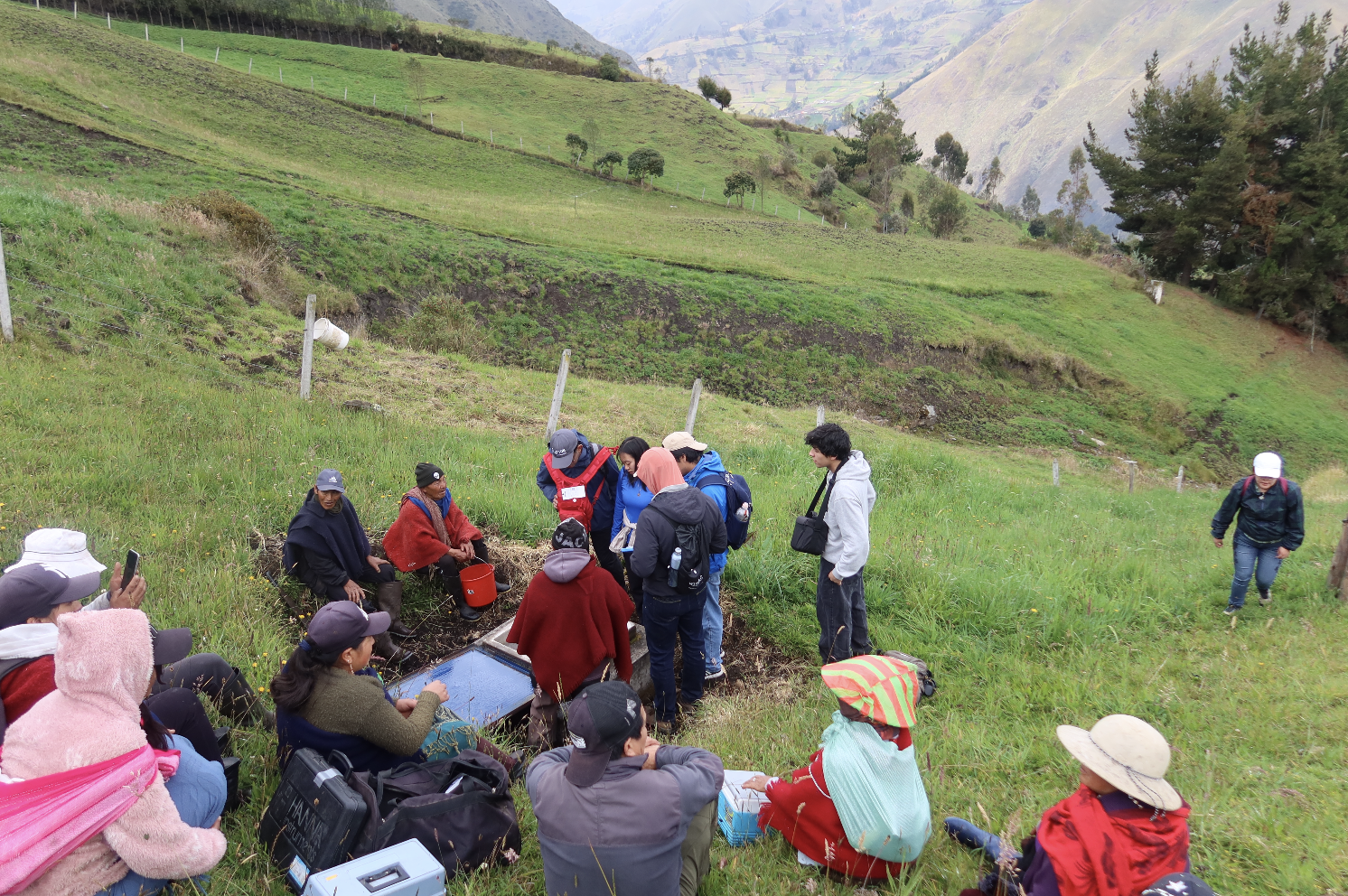
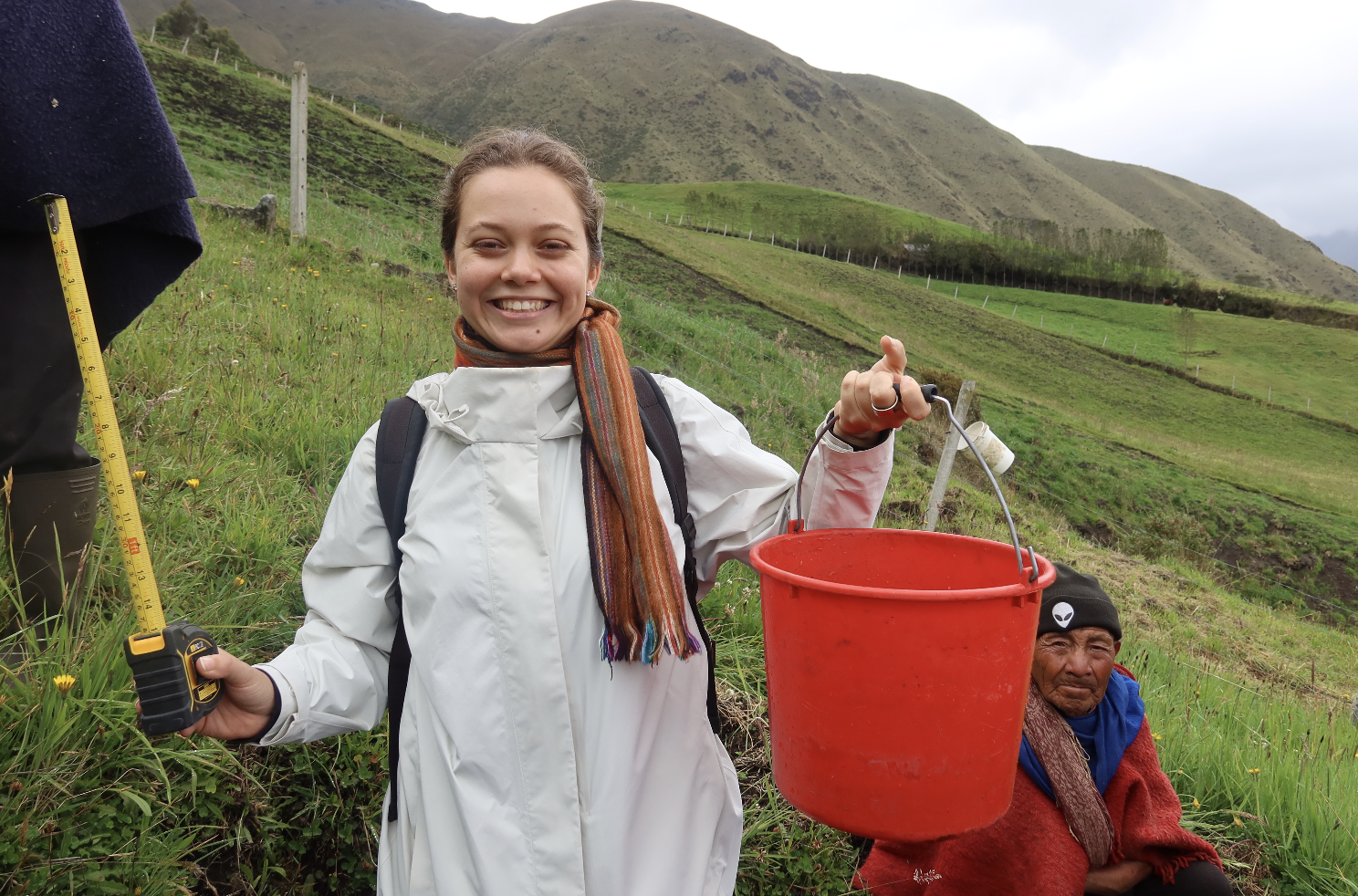
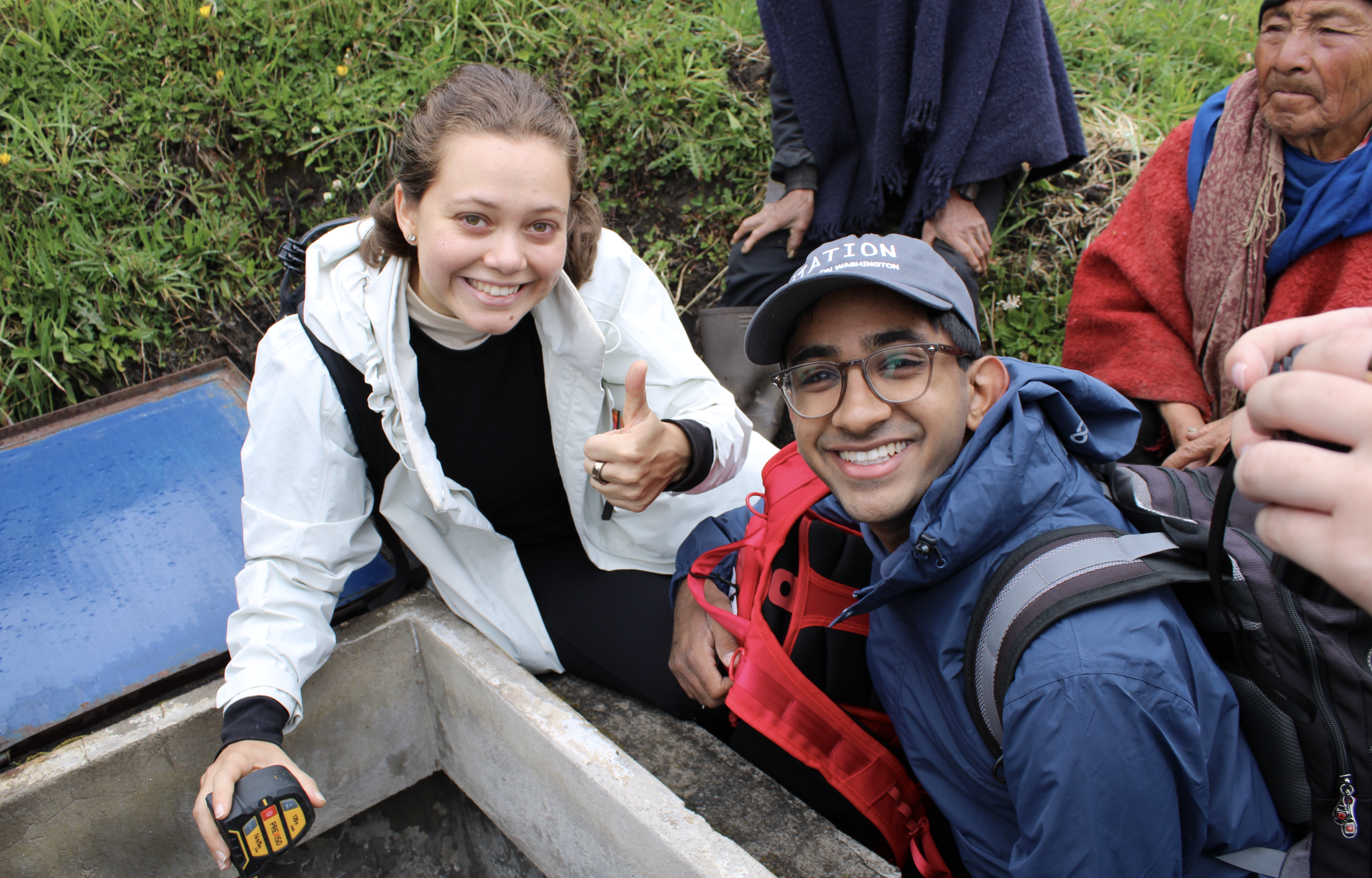
After trading Instas and Tiktoks with the previously mentioned group of girls, our next stop was Salpi catchment #2. Wilson relinquished his clipboard role to Srinath, and we began to get into the rhythm of taking measurements, forming small teams for each set of indicators. Wilson, perhaps slightly missing the aura he’d farm as a SpaceX engineer in the olden days (as he now gets bullied by undergrads), instructed Srinath on how to stand to maximally “assert his dominance.” Srinath, being Srinath, did a probably 6/10 job on asserting dominance, but a 10/10 job on data-collection directing (Srinath, if you read this, I promise I mean it). Interestingly, the water from this catchment seemed significantly less sedimented than the first.
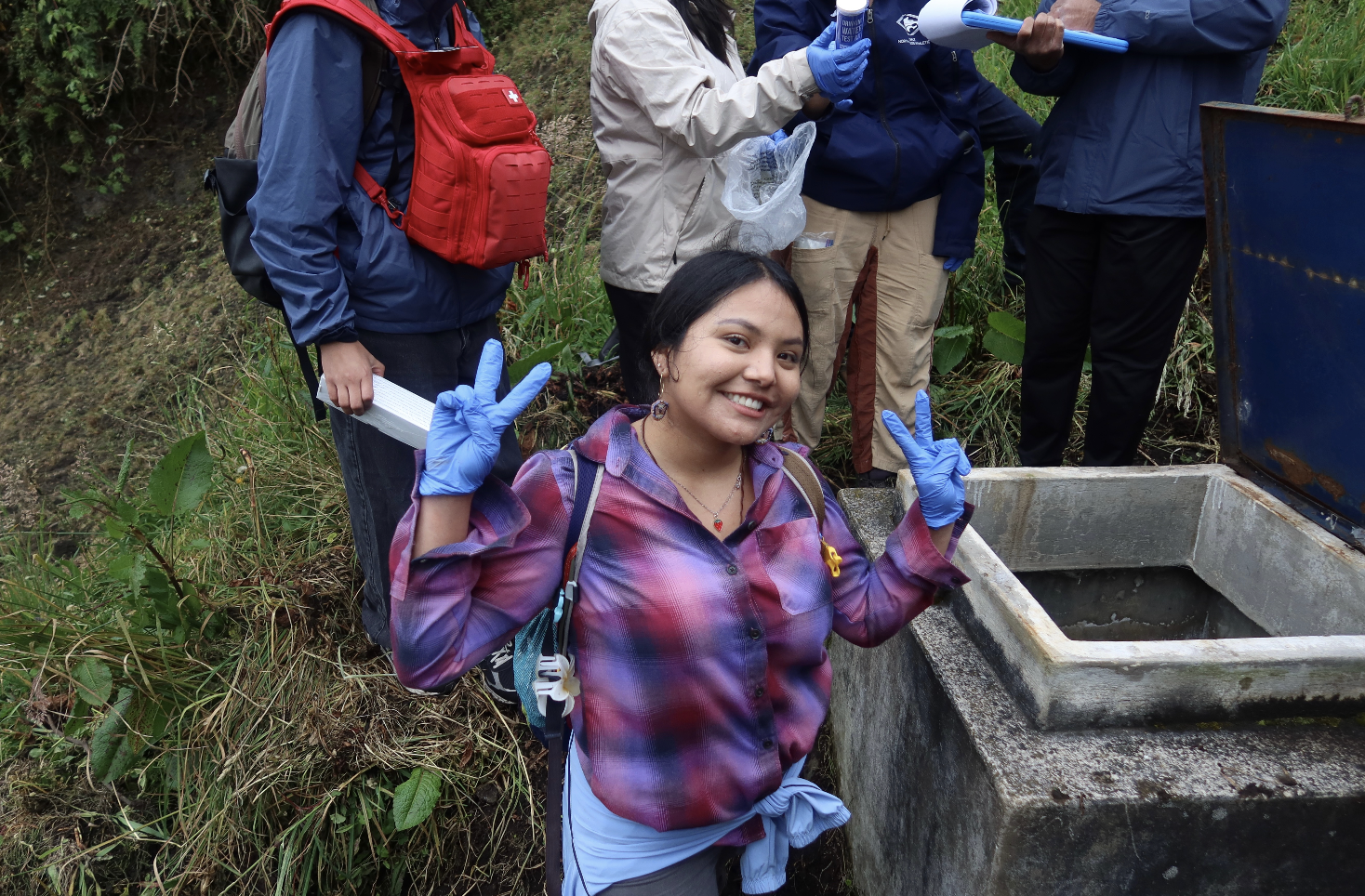
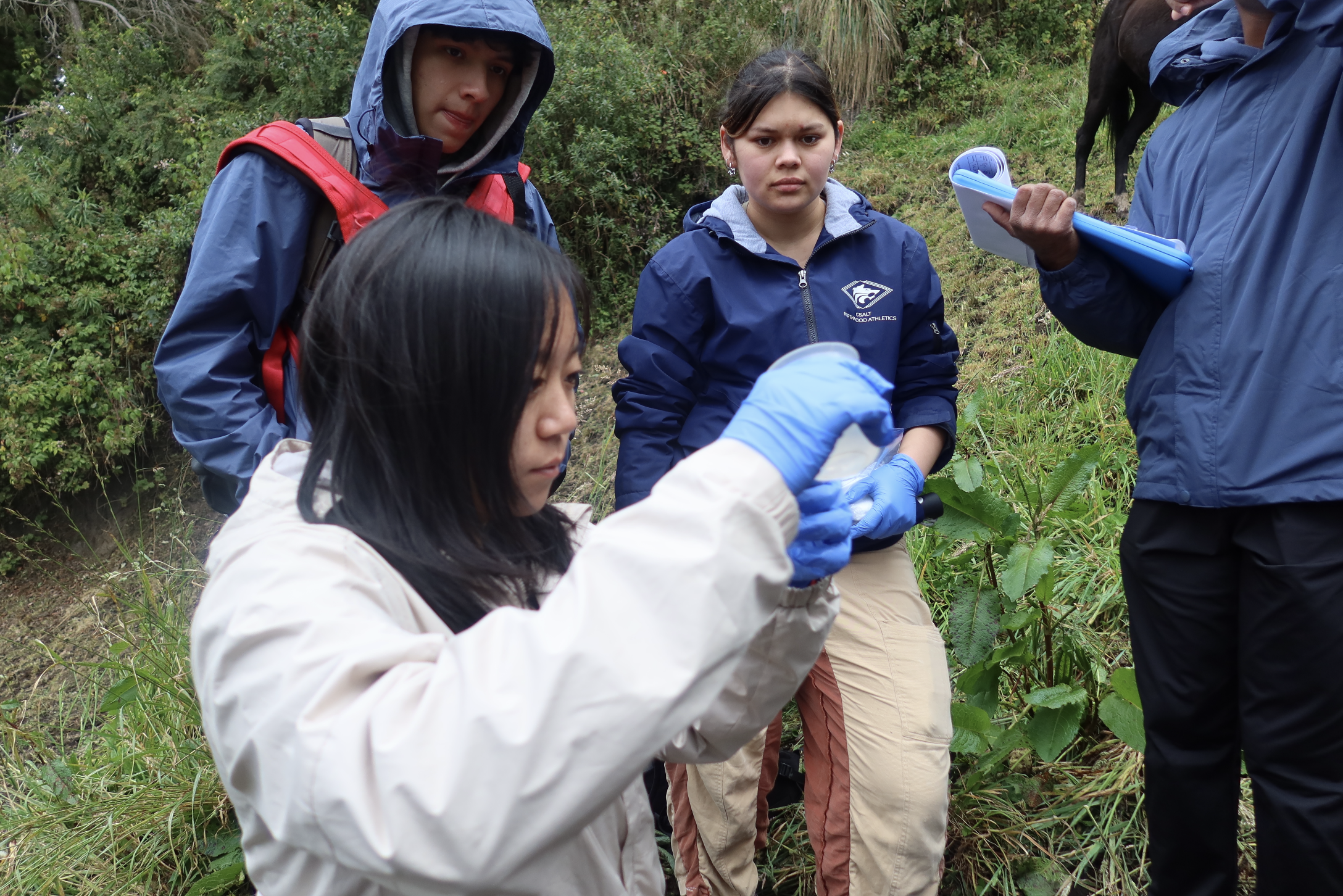
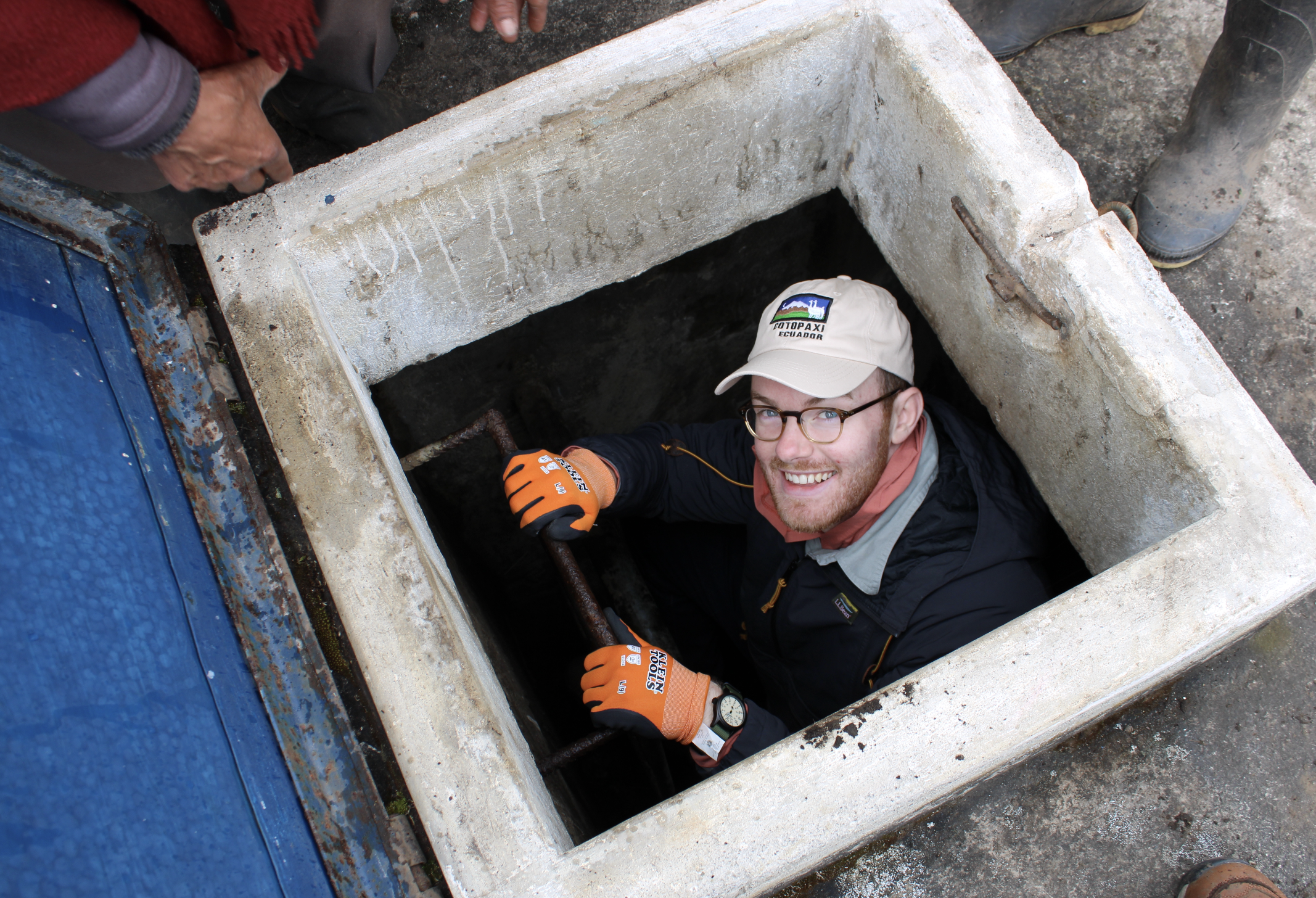
The community partners then took us to the water storage tank further down the hill, which included a massive storage tank, an unused chlorination system, and a valve control pit. The blue clipboard was bestowed upon Elena, who helped direct the team through some slightly perilous measurements (thanks, Joelle). While the team risked their lives dimensioning the water tank, Wilson was having the time of his life down in the valve control pit (“Guys, am I mogging in this action shot??”). A few community members explained to us that they had to replace the water distribution control valve almost once every year, as it kept on breaking. Although more research needs to be done, we may have the chance to kill two birds with one stone by installing a high-pressure-functioning valve and a simple filter at this point in the pipeline.
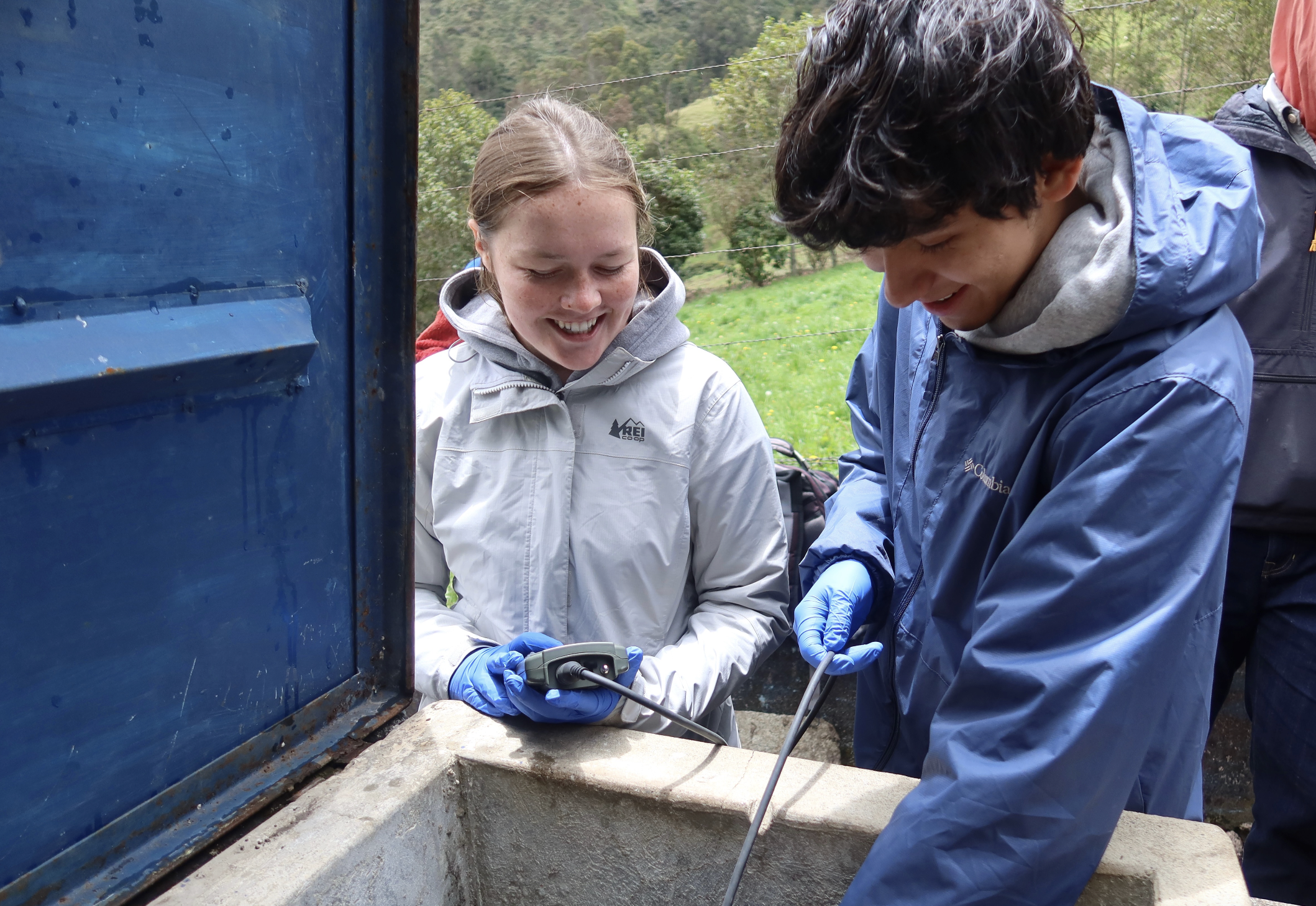
A couple of apples and salted choclo kernels later, as well as some masterfully directed pictures by Paisley, we arrived at the first house on the Salpi pipeline. While Camila and I conducted a brief household survey, inquiring about water storage methods, usage, and availability, Diego led the rest of the team in an unforgettable stint as the blue-board guru to collect measurements from the tap water.
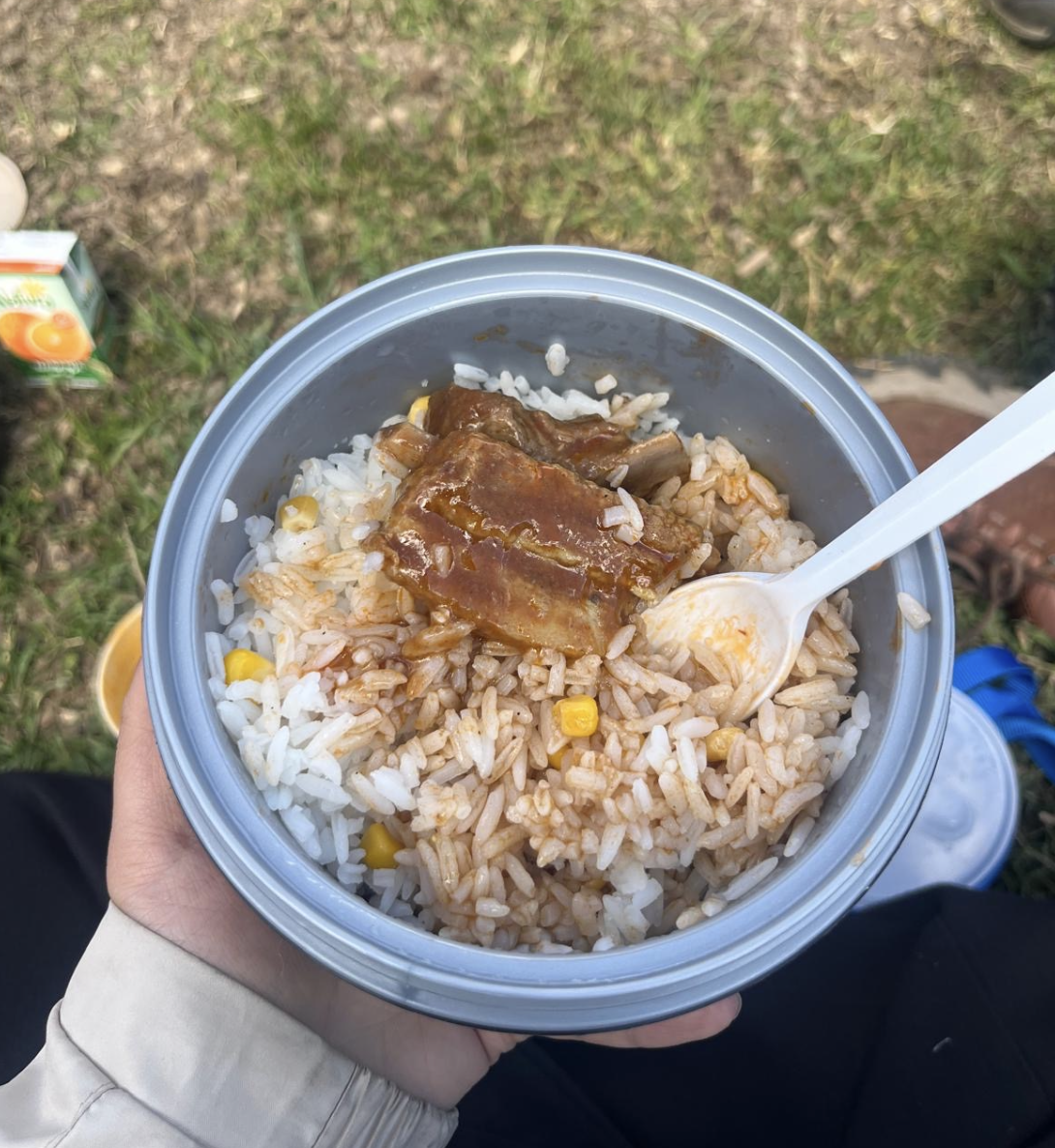
For the last house on the Salpi pipeline, the blue clipboard was given to me, and in doing so, I was christened as an engineer by Wilson (Biology probably doesn’t make the cut, but does CS count as engineering?). We completed our last set of measurements without much trouble, headed back up towards our van, and bid farewell to the community members who had guided us the entire time. By then, it was already 3pm, and so we plopped down on the hills to wrap up our surveys of the day with a delicious, much-needed packed lunch.
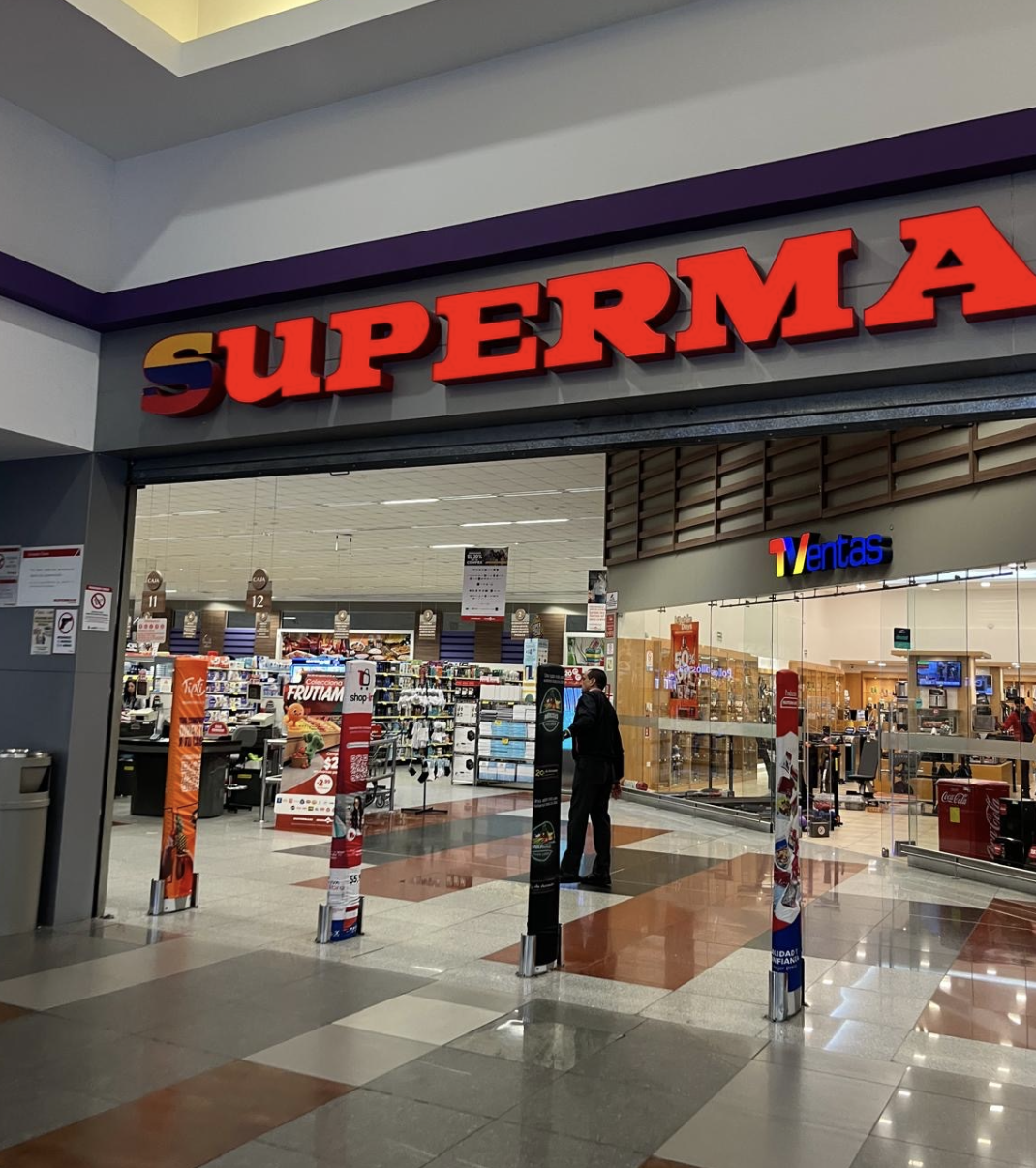
On the way back to our hotel in Riobamba, we stopped by a grocery store to refuel on snacks for the week, something I didn’t know I wanted but immediately realized I needed (“Thank you Camila,” we say in unison). We all bought something a little different – some of us took the chance to buy Ecuadorian chocolate as gifts, and others bought Pop Tarts.
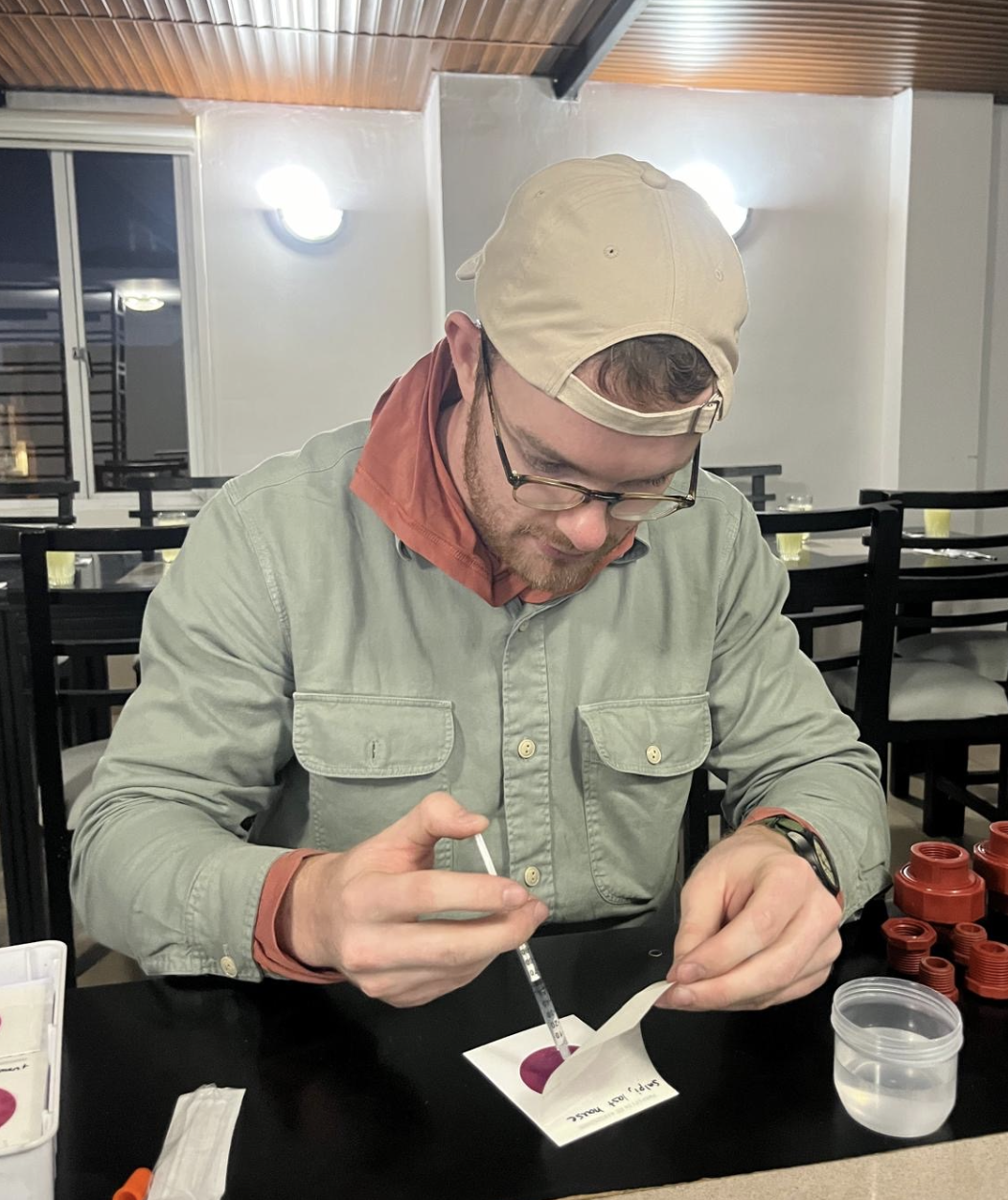
Back at the hotel, we concluded our day by inoculating the coliform test sheets, planning the days to come, and chatting over heaping plates of pesto pasta. We agreed that Day 3 was long and jam-packed, yet over in a blink. Salpi, check!
~
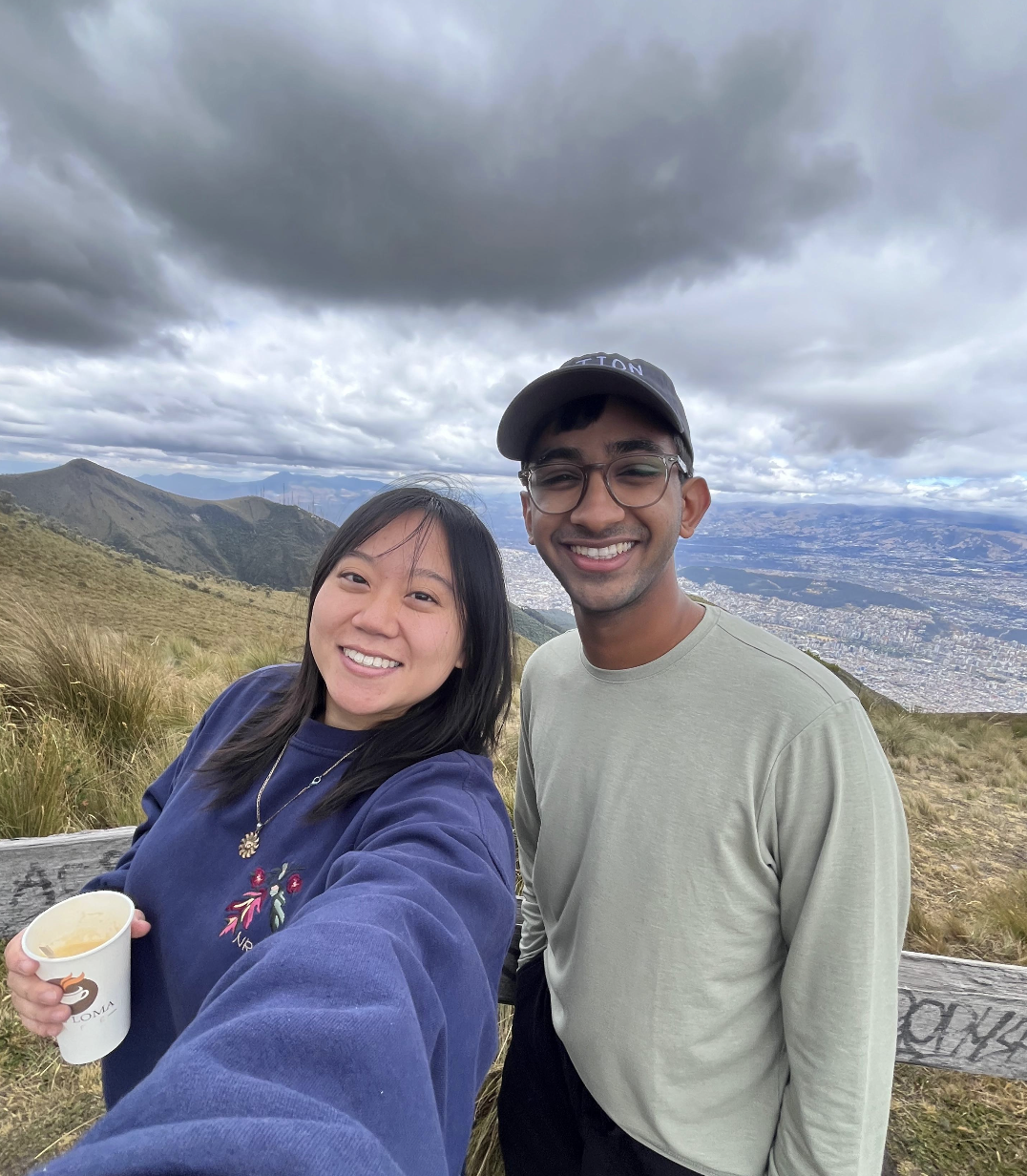
A note from ½ of the Project Leads: despite months of planning, we embarked on this trip weighed by a lot of uncertainty. Srinath and I, along with the rest of our team, spent hours planning logistics, drafting survey questions, and scraping what we could from the original FIEA project brief. However, we knew that we might only begin to fully grasp the situation and the needs of the community when we arrived in the field. Our greatest fear was to accidentally play the role of the classic first-world voluntourist – completely unhelpful, yet simultaneously, unabashedly prideful in their work. We consequently are approaching this collaboration with humility and respect, understanding that the community will guide us towards the solutions that work best for both us and them.
Our dream is to really be able to give back to Peltetec in a sustainable way – to see our long-term collaboration eventually repay the community for how much we’ve learned by stepping foot into their homes. I am infinitely grateful to be able to work with this team on this project – my co-lead Srinath, whose work ethic, humor, and friendship are the number one reason I haven’t lost my marbles, our amazing mentors, Camila and Wilson, and the rest of the team, Paisley, Diego, Joelle, Elena. I am also incredibly thankful to the entire EWB team for supporting us behind the scenes. Let’s do our best!
Warmly,
Emily