Meeting the Community
By Paisley Tabor
September 3, 2026
Today is a big day! It’s our first day on the ground, finally meeting the community we’ve spent the past year talking about and preparing for. What an incredible opportunity to be here, connect face-to-face, and begin this journey together!
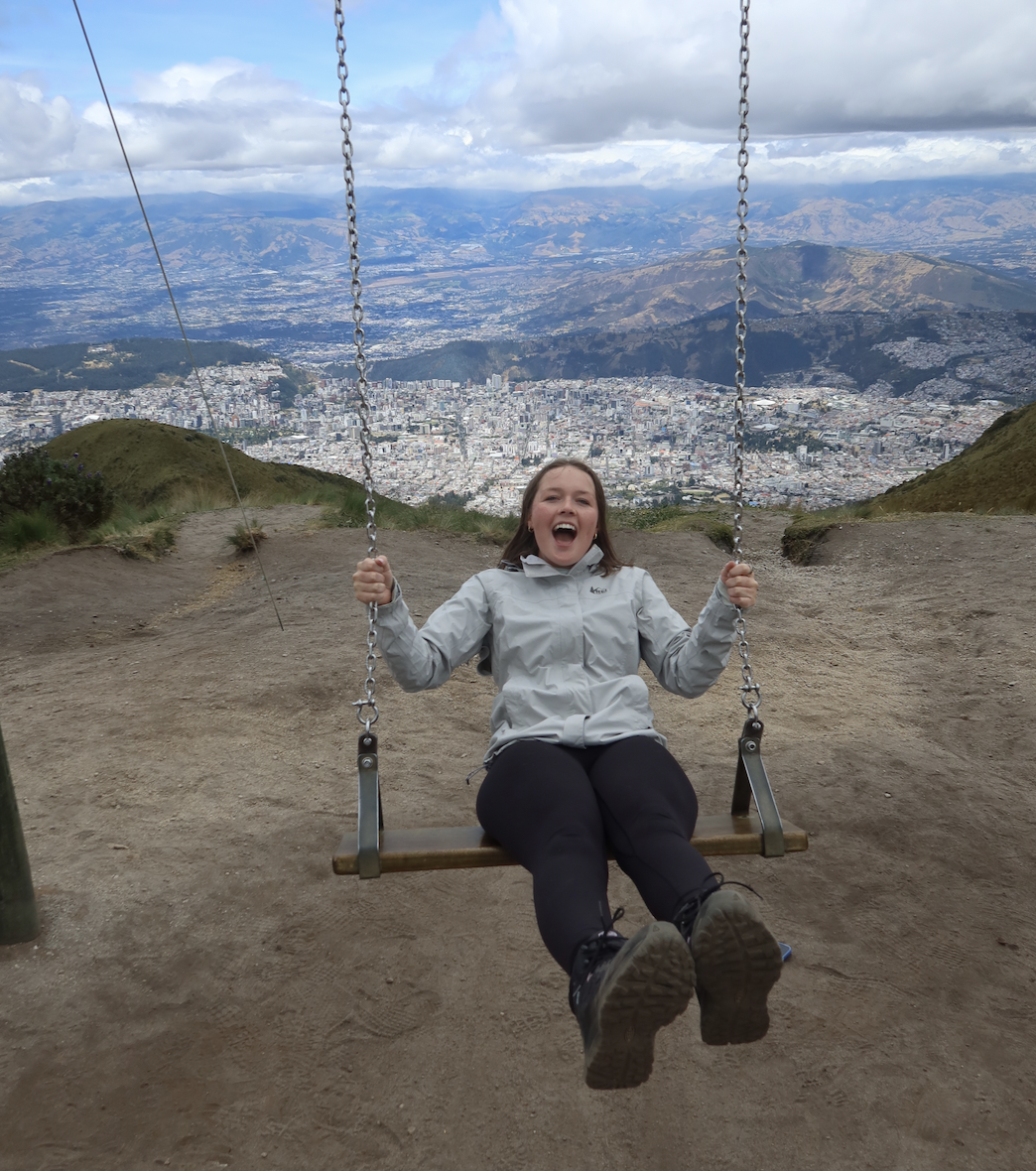
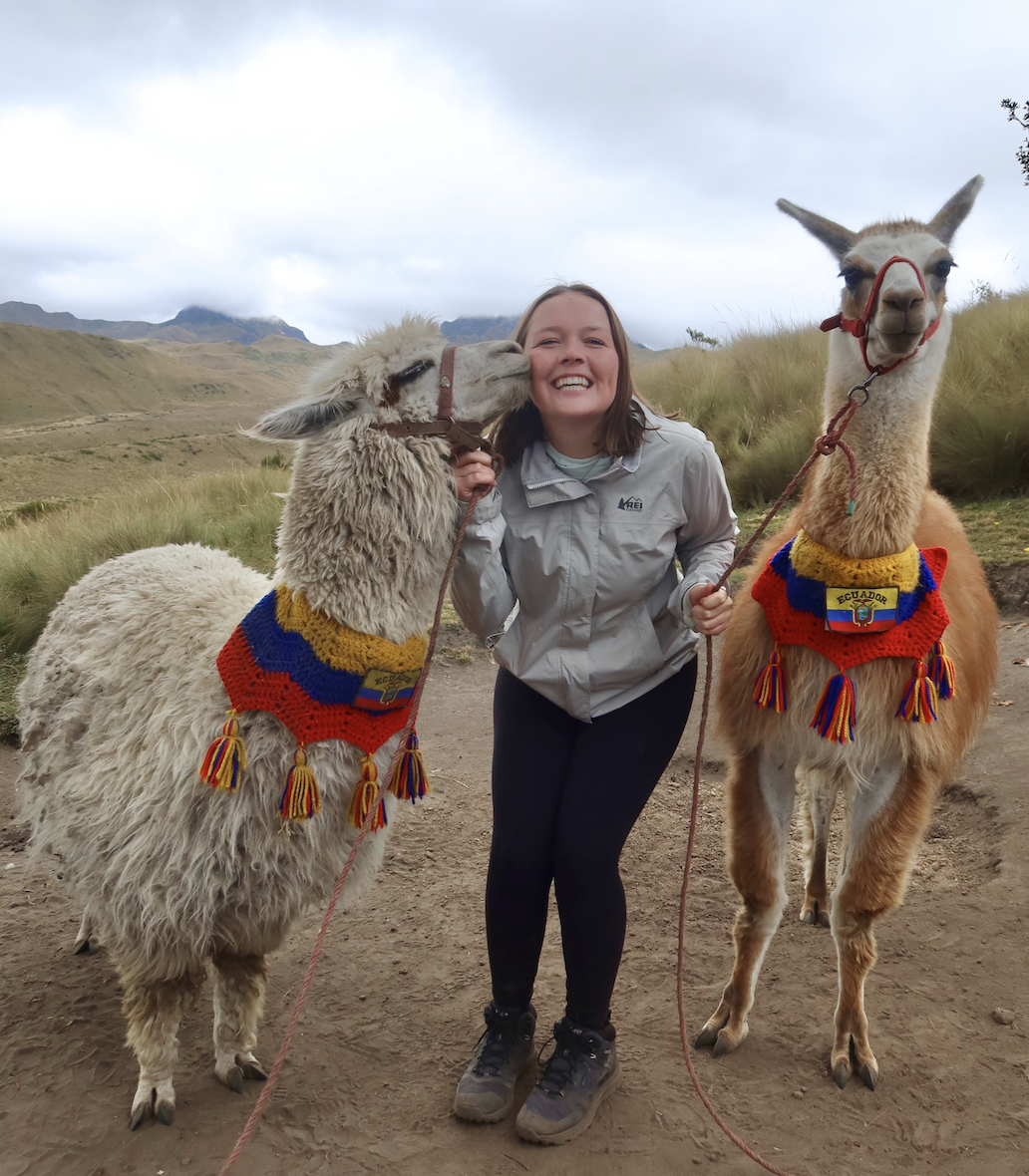
The past 2 days have been full of exploring Quito, and then traveling to Riobamba. So far, swinging at the top of TelefériQo, nearly 4,000 meters above sea level, was the highlight of the trip for me!🤗 And paying a dollar to take a photo with these silly guys. 🦙📸
It's crazy to think that just 1.5 years ago, I joined Stanford’s inaugural Engineers Without Borders chapter. Since then, I’ve had the incredible opportunity to help build our chapter as Engagement Chair and now Co-President—and now, we’re actually here. In Ecuador! It’s surreal to see all the planning, work, and passion that went into building this chapter come to life on the ground. Flashback to September 2025, at our first student fair 🥹

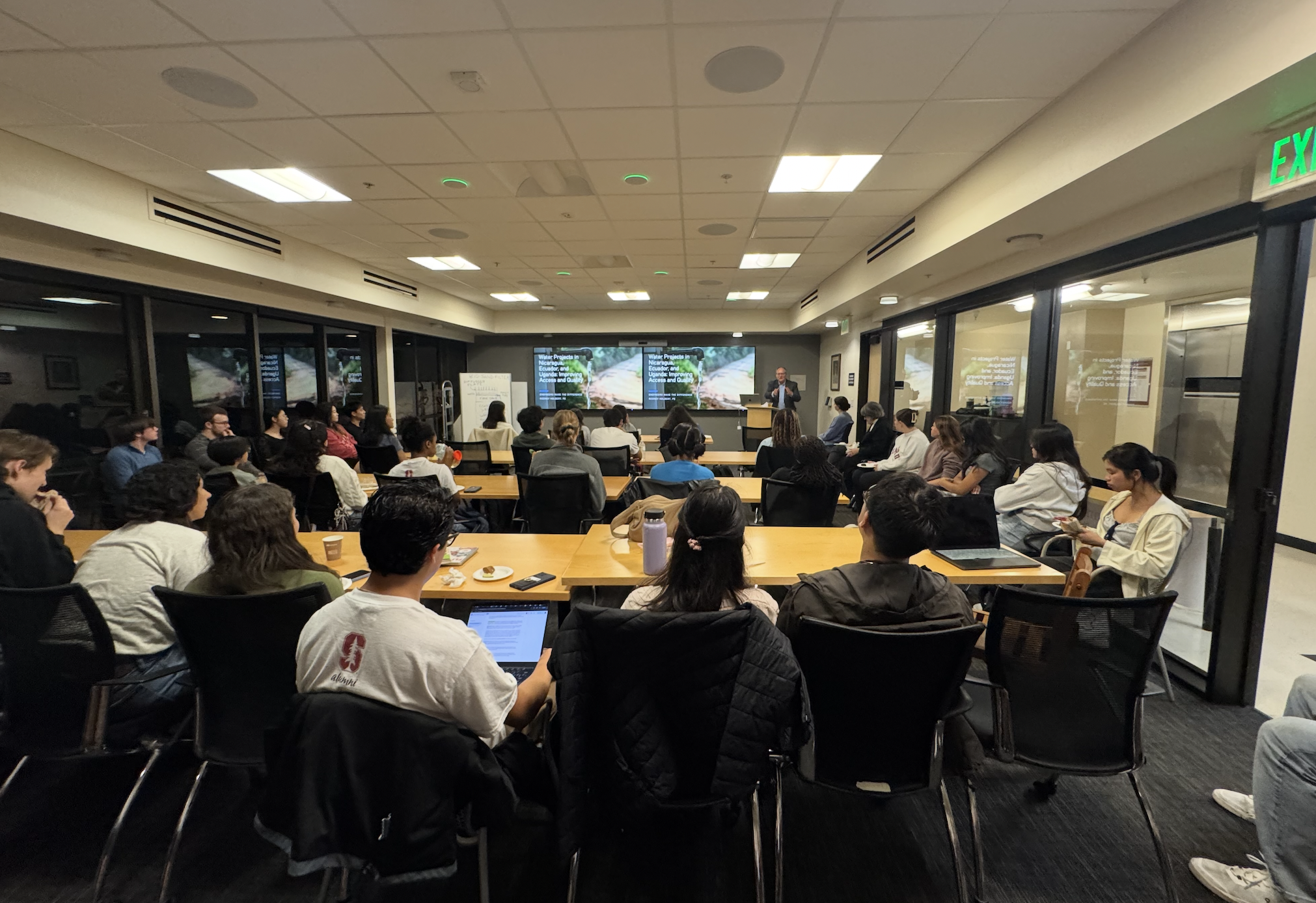
Some background: I first learned about Engineers Without Borders about a decade ago through a EWB presentation given by Rodney Holbert. He’s worked on clean water and infrastructure projects in Nicaragua, Ecuador, Uganda, and the Dominican Republic. My mom has known Rodney since she got involved in her ASCE student chapter during college, and he eventually became a professional engineering mentor for my FLL robotics team. Last November, that connection came full circle when Rodney flew all the way from West Virginia to speak to our Stanford EWB chapter for our first professional speaker meeting. It was a record turnout!
Now, on to Peltetec! Since this was our first day in the community, I wanted to take a moment to explain a little more about the project:
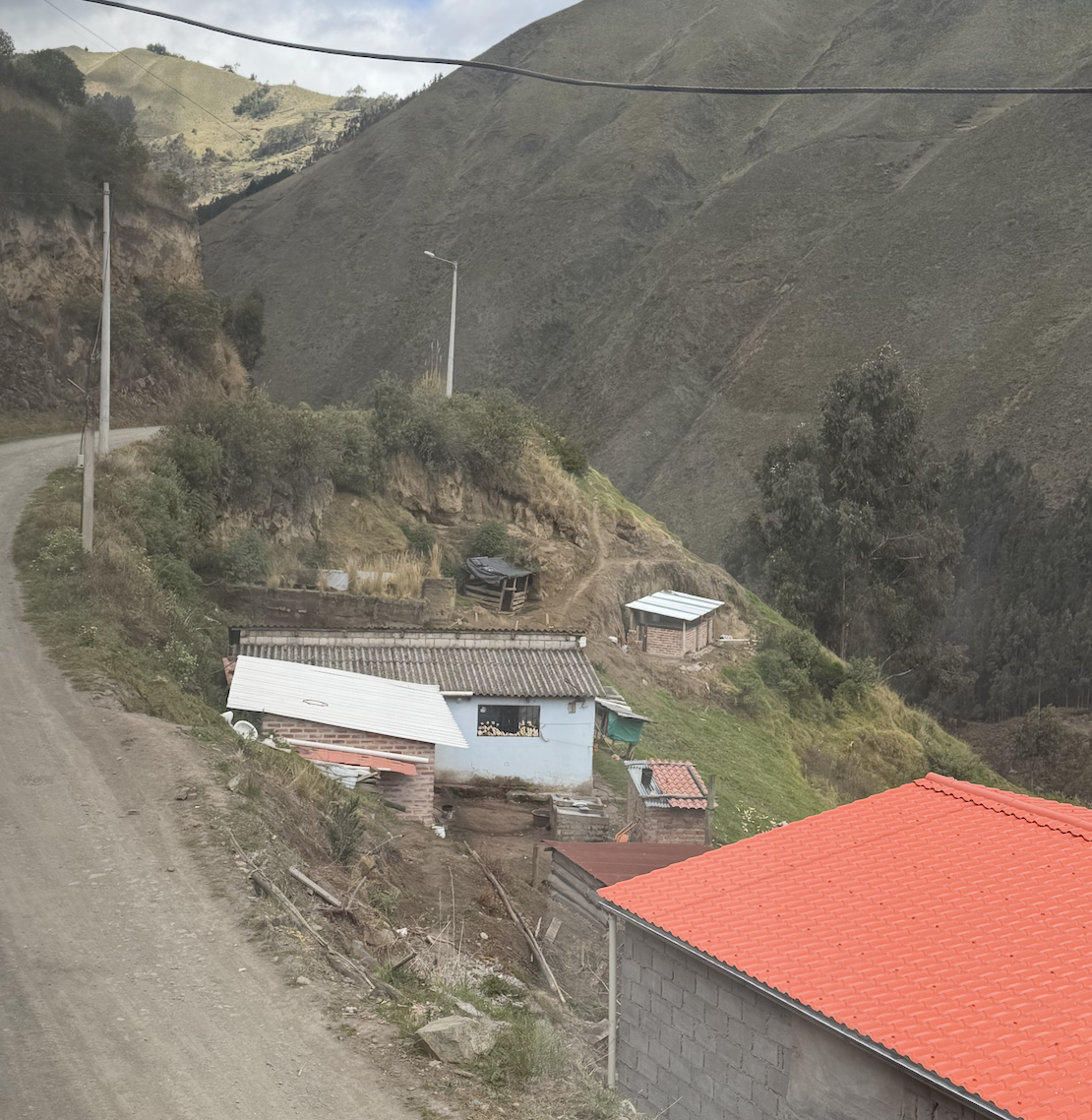
Peltetec is a rural community in the Andes Mountains south of Riobamba, Ecuador, made up of three villages and roughly 300 residents. Agriculture is central to daily life, with families relying on dairy farming, growing crops such as potatoes and corn, raising livestock, and producing traditional wool goods.
The community receives its drinking water from natural springs in the surrounding mountains, but the current system does not adequately treat the water before it reaches residents. Combined with aging and damaged infrastructure, this has raised concerns about water quality and its potential connection to recurring gastrointestinal illnesses within the community.
What we learn during this assessment will guide the development of a solution that is technically feasible, sustainable, and appropriate for the community, with the goal of returning for an implementation trip in summer 2027. Finally, click here to meet the 2026 team!
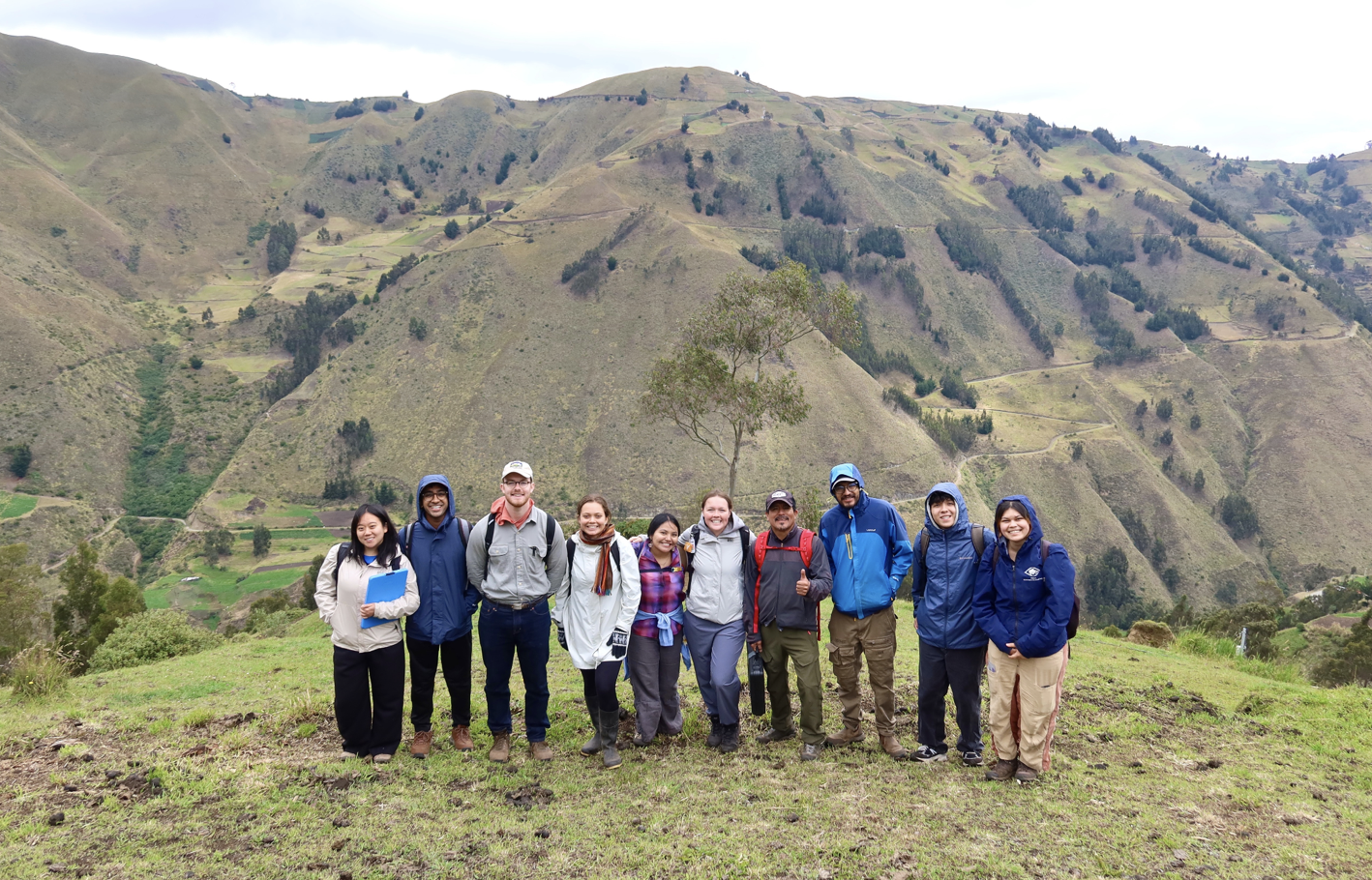
For more info about our project, go read Jonas LaPier’s full blog on our project! Exciting things ahead! Back to the day:
Breakfast was at 7am, and with my newfound ability to get ready in < 10mins (😉 Stanford Spokes), I set my alarm for 6:45am.
I was ready on time, and we all gathered around the breakfast table. Just last night, we were sitting at this same table ironing out the final details with our FEIA guide, Pablo, while others were frantically enrolling in Fall Quarter classes with limited internet. And somehow, in the middle of all of that, it hit me...I’m going to be a junior! It’s crazy to be here in Ecuador while also realizing how quickly the start of our next quarter is approaching.
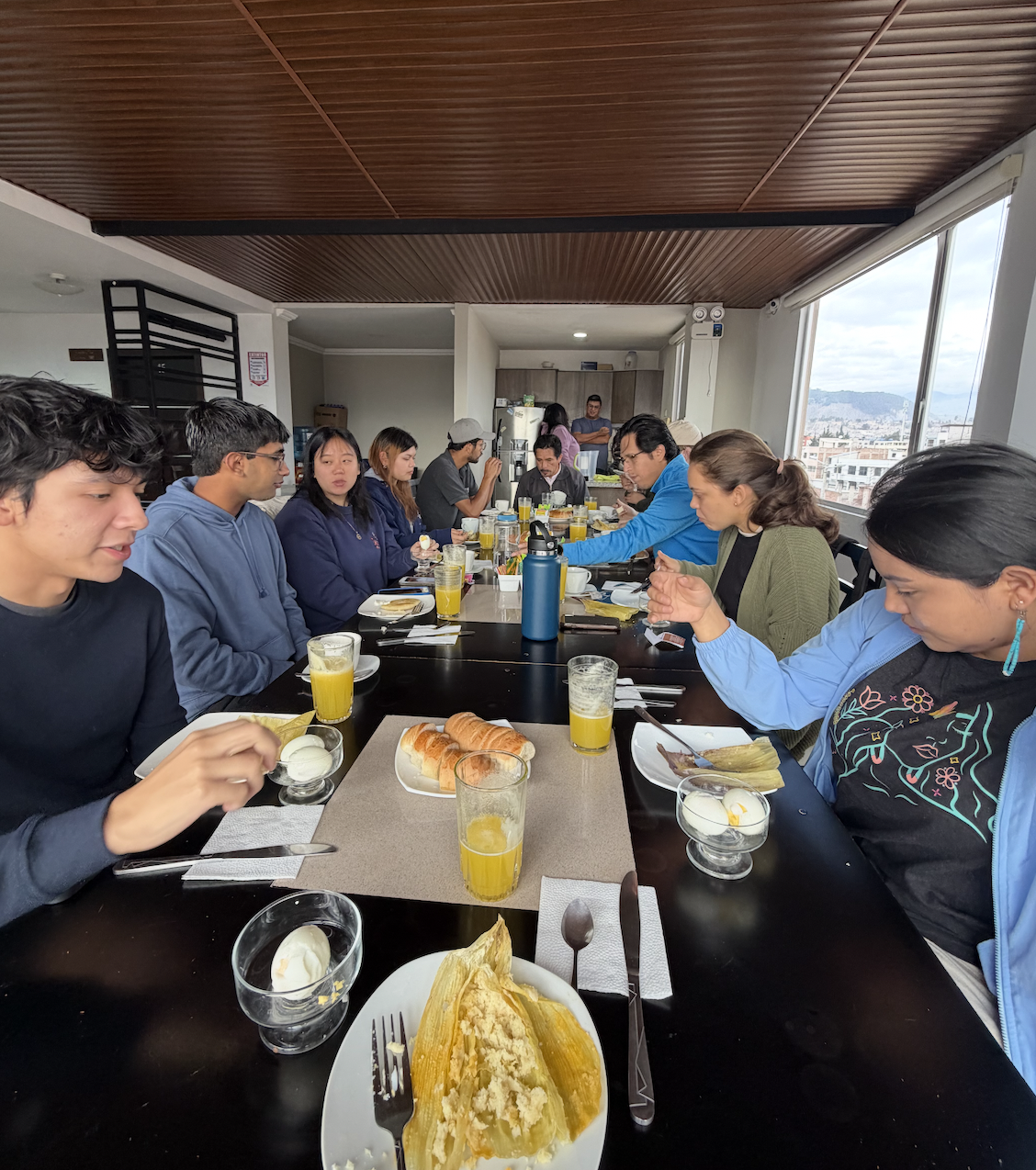
For breakfast, we had a corn tamale with cheese, two boiled eggs, and naranjilla fruit juice—a new, and yummy, one for me. Camila and I spent breakfast comparing our Oura Ring sleep scores (my favorite activity)
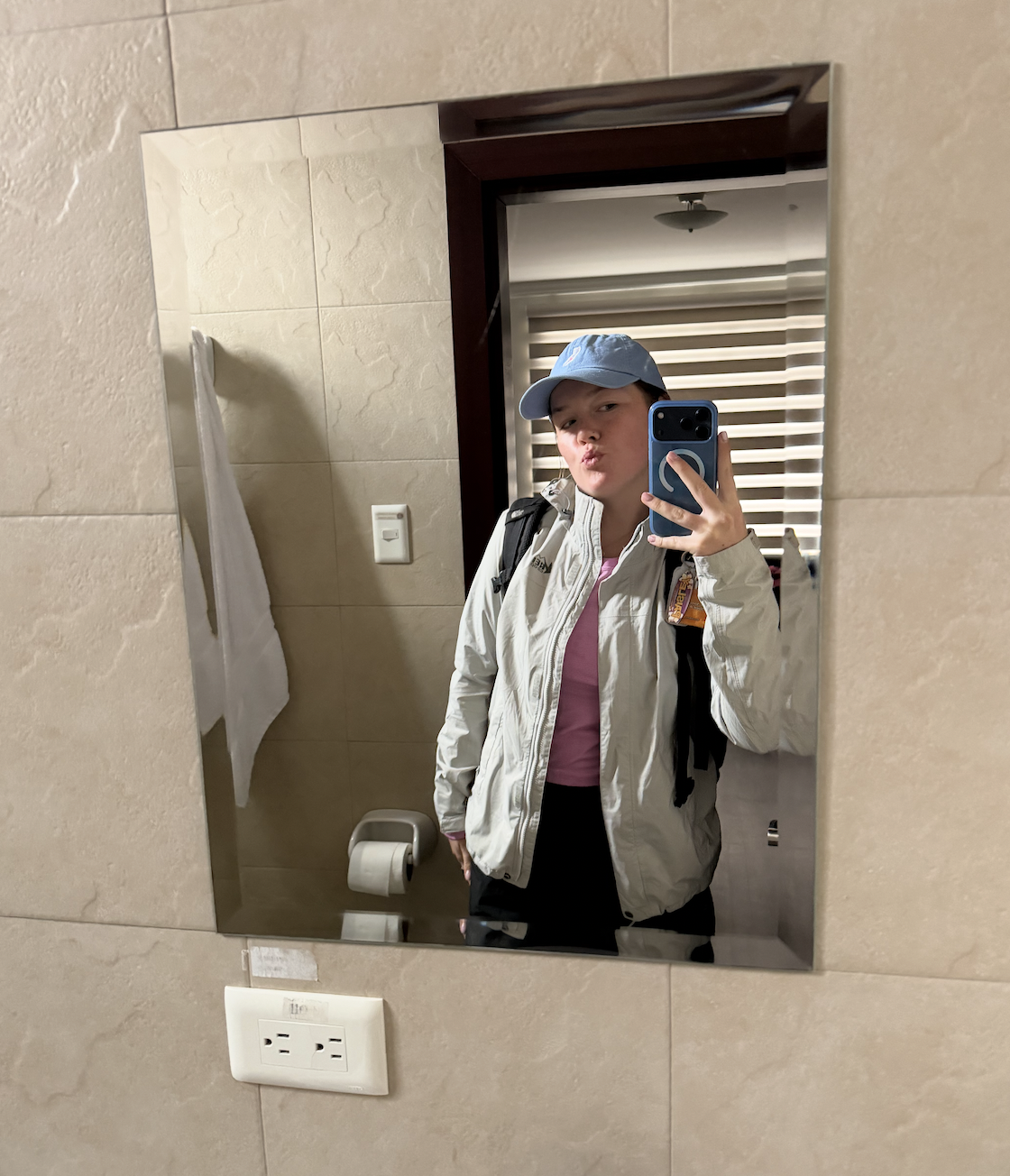
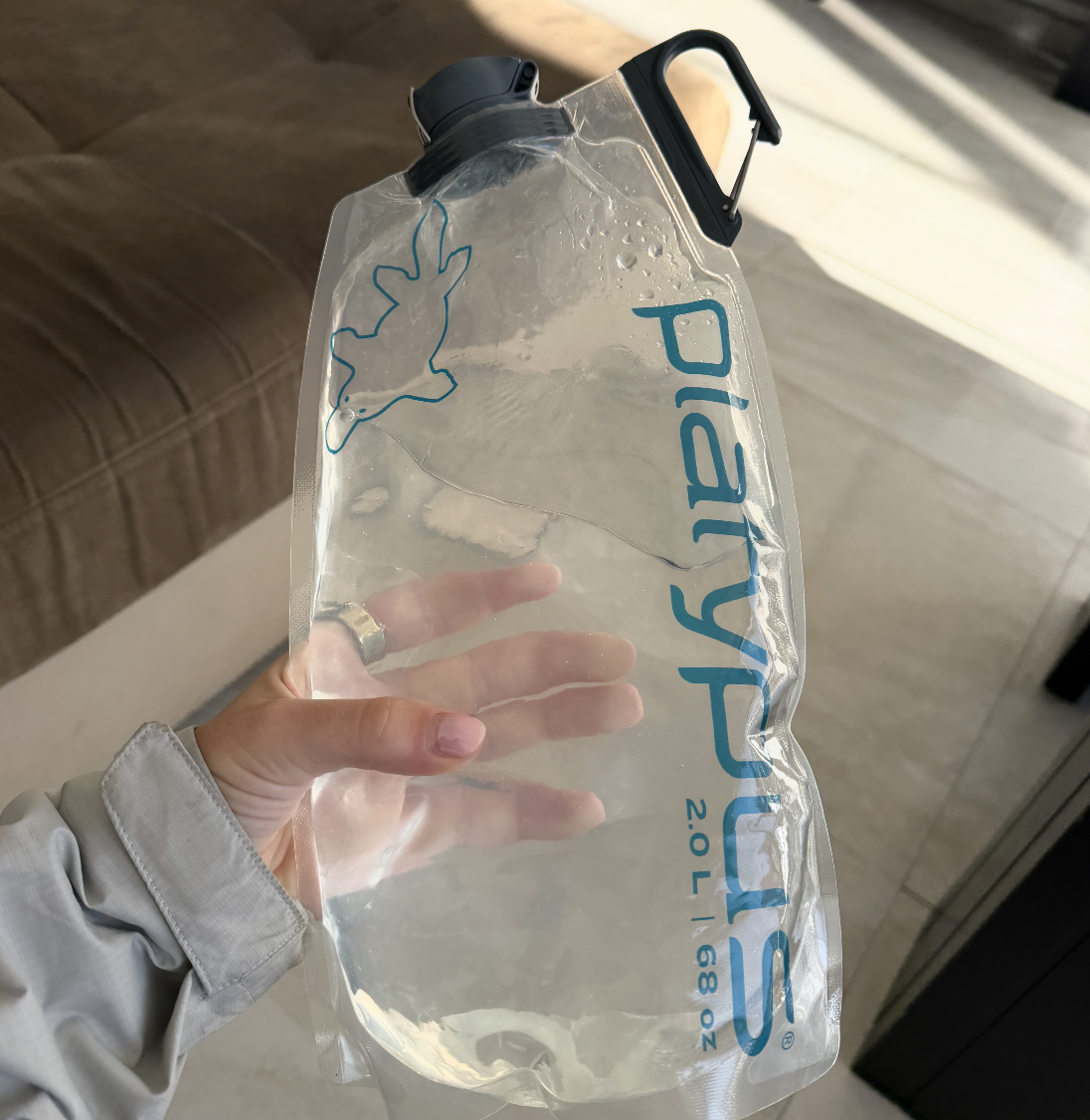
After breakfast, we filled up our water bottles and met in the lobby for our daily safety meeting. Wilson, one of our mentors and our safety officer, came very prepared and made sure we knew all the precautions for the day. Today’s safety tip: stay hydrated! Good thing I have my Platypus water container 🙏🏻
We loaded up in the van at 8:20am and began our 1.5 hour drive to Peltetec. I mostly worked on my laptop on engineering internship applications for Summer 2027 and worked on revamping this website! I had three other devices connected to my hotspot (thanks, AT&T international plan!) while Srinath and Emily put the finishing touches on the survey we would be administering throughout the day.
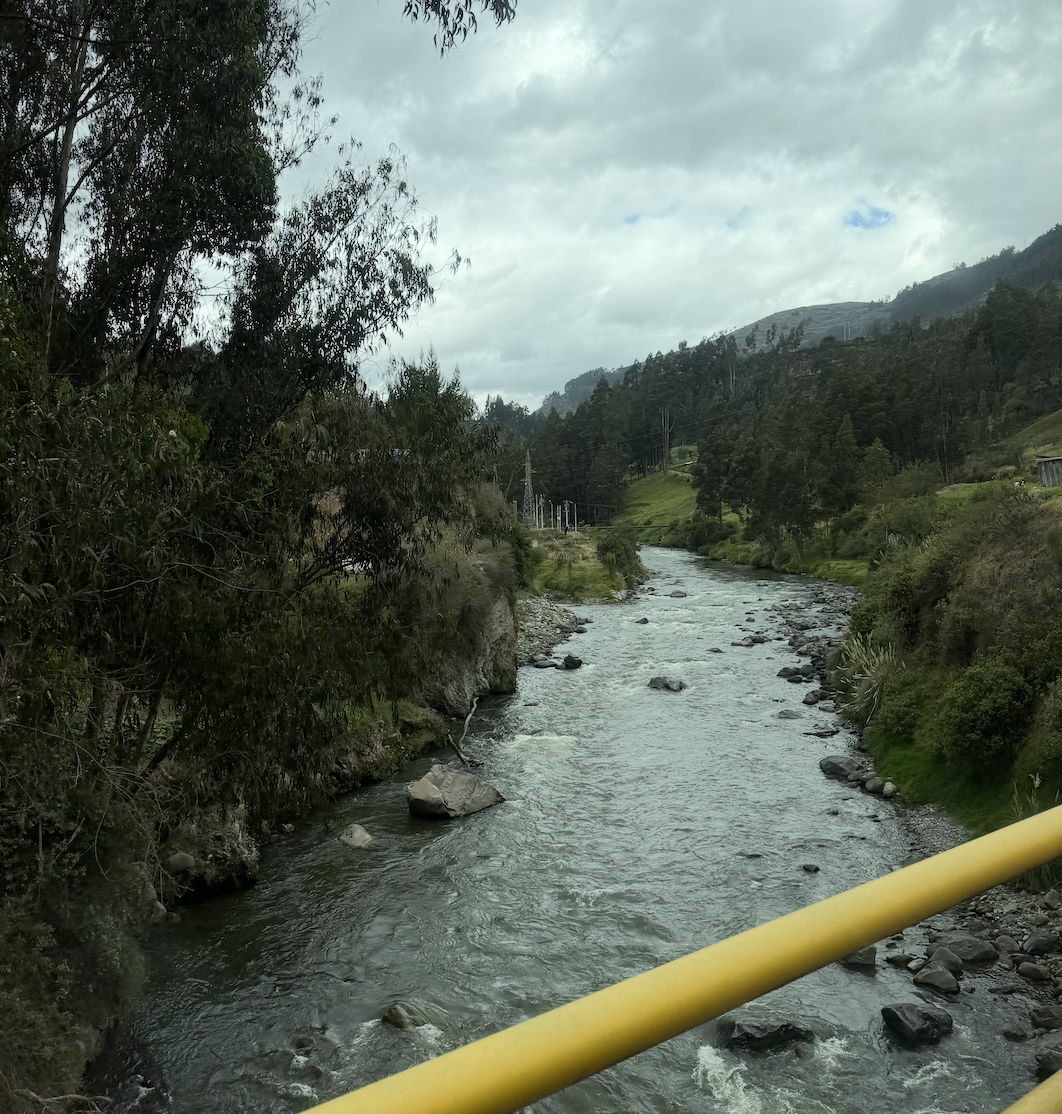
Once I looked up from my laptop, there was a beautiful river! We were at the bottom of the mountain that we would be driving up to get into the community. We winded up a narrow road in our huge van, and the views kept getting even more beautiful.
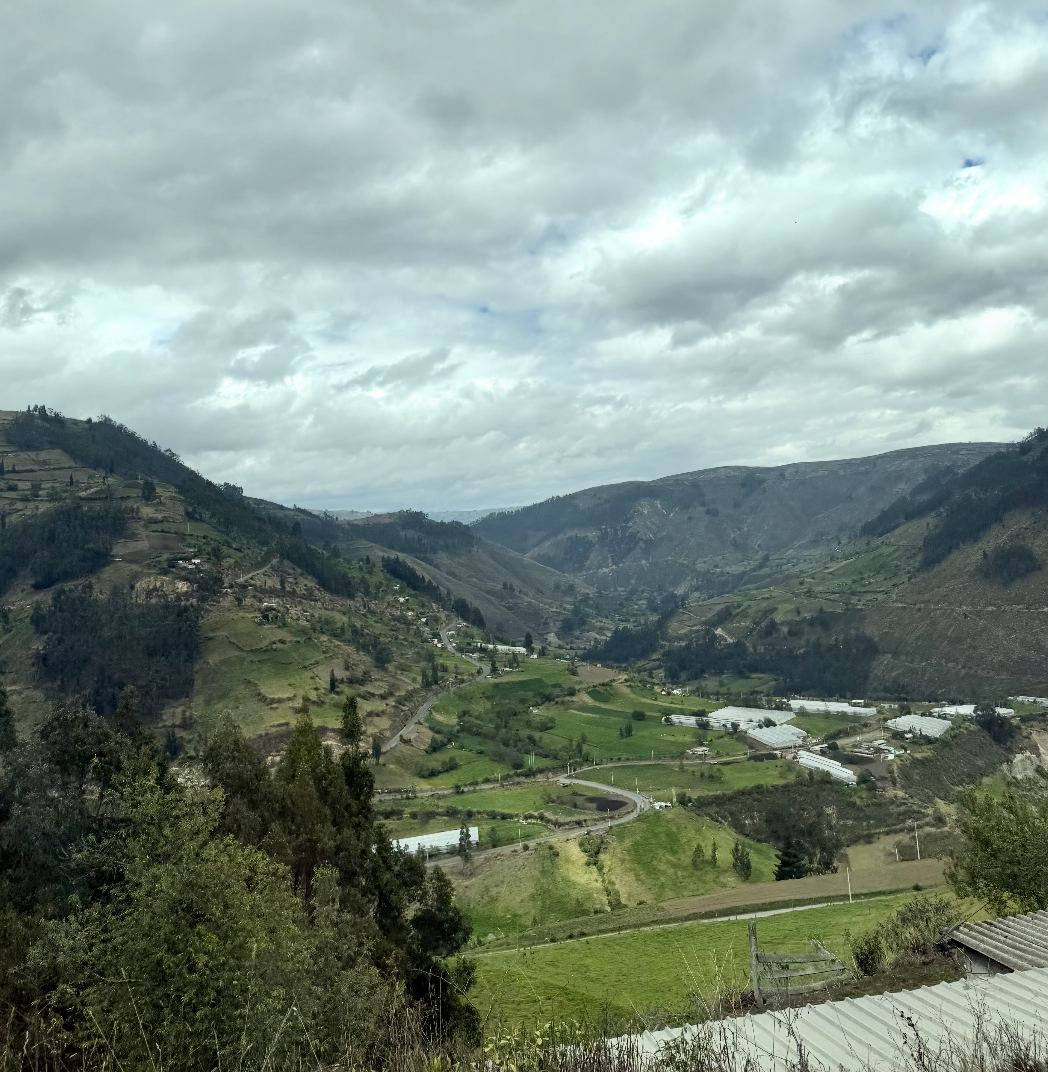
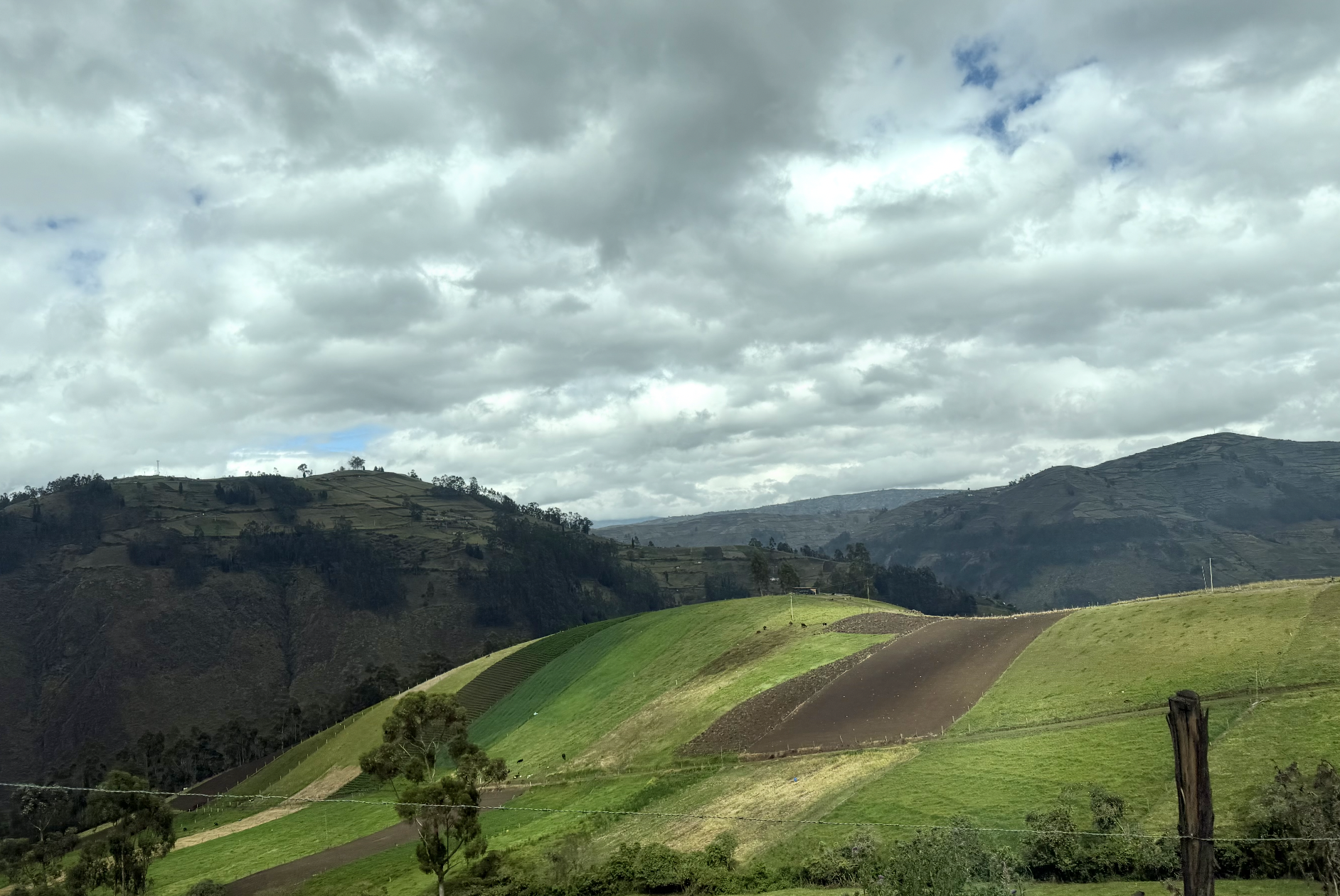
Once we arrived, it was chilly! We bundled up and were welcomed by at least 20 members of the community. Before getting started, we made sure Google Earth was ready to go since we would be mapping the locations of homes as we conducted surveys. Rather than traveling from house to house, community members came to the main building to meet with us and participate in the surveys.
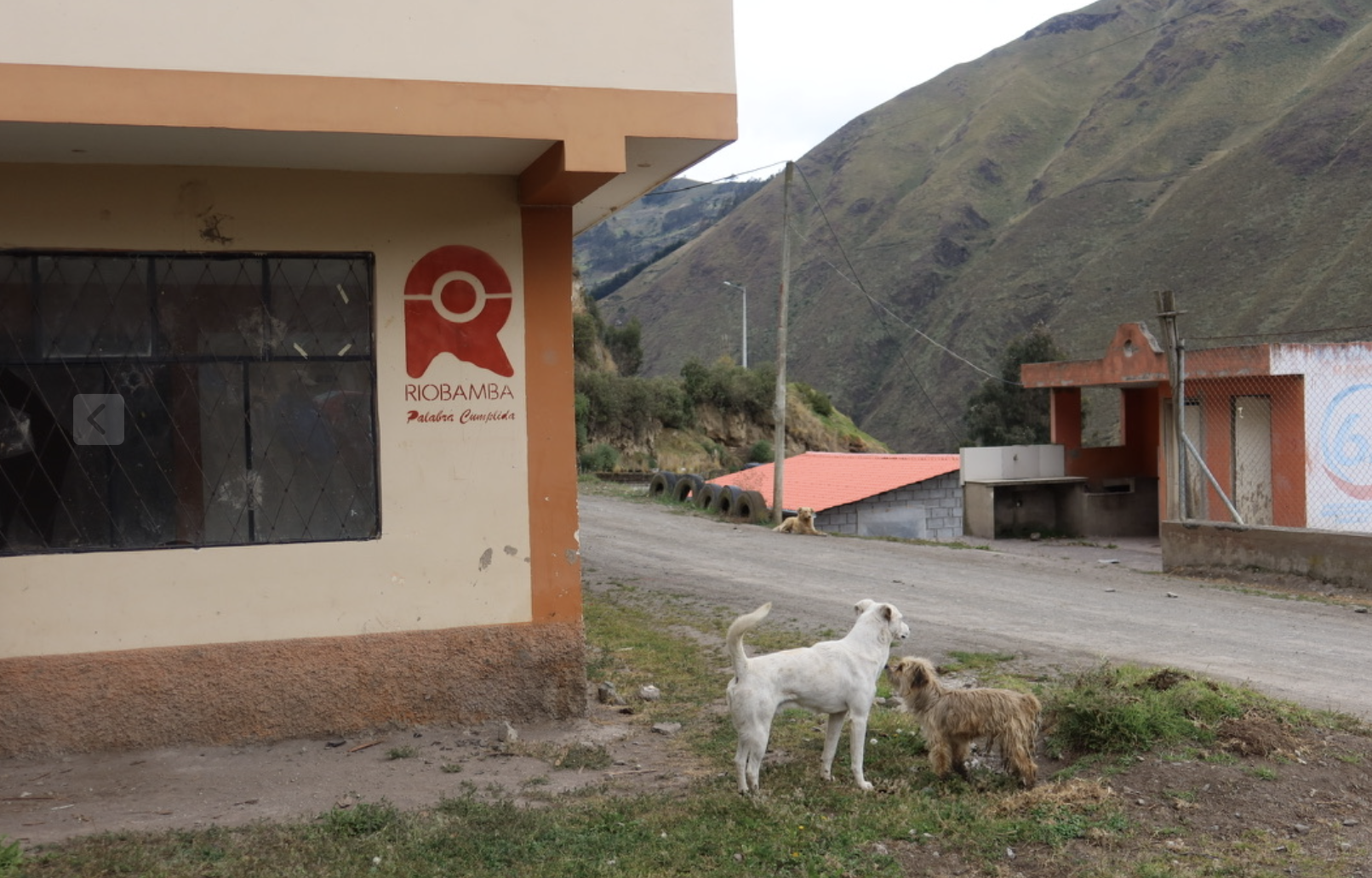
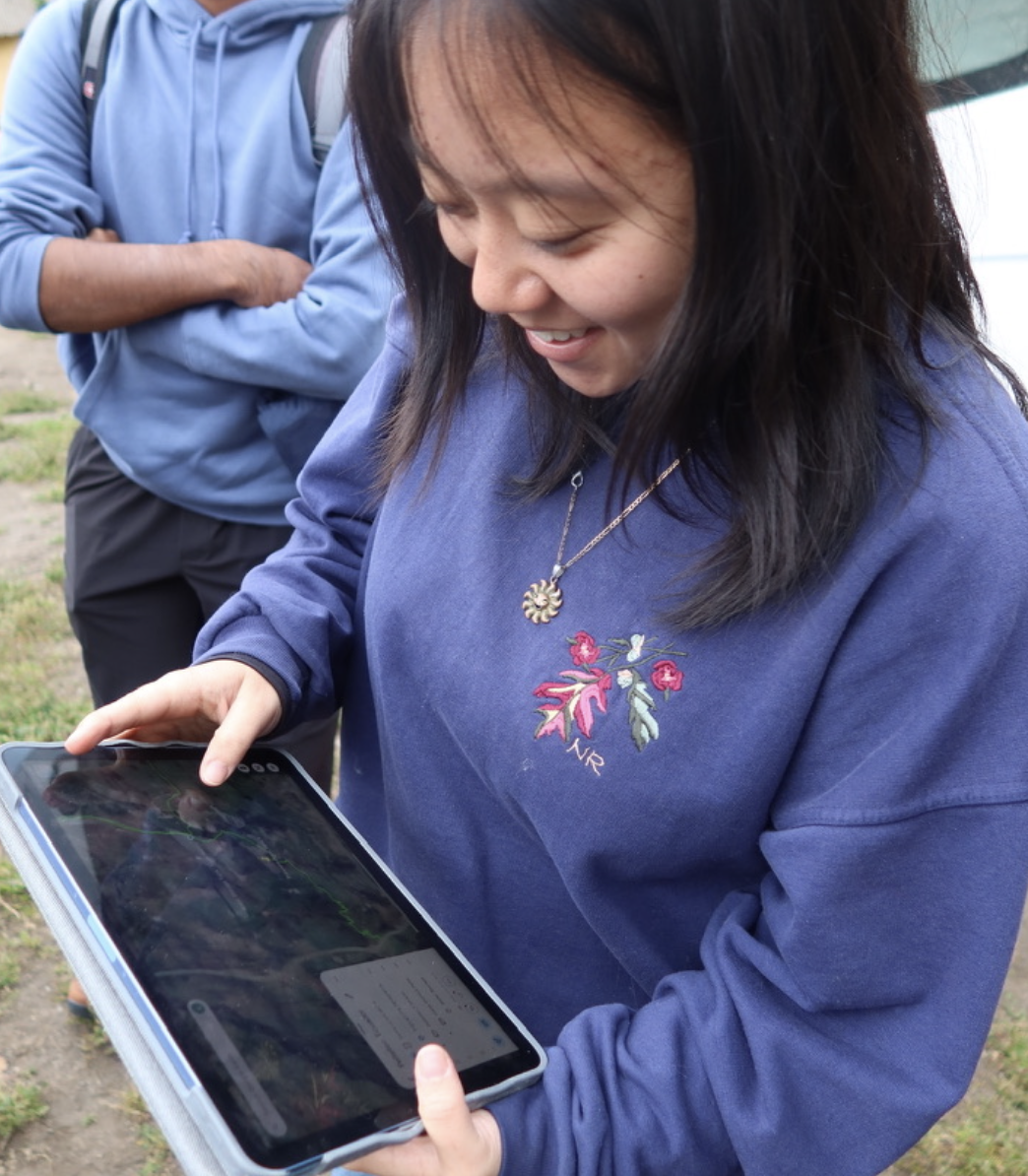
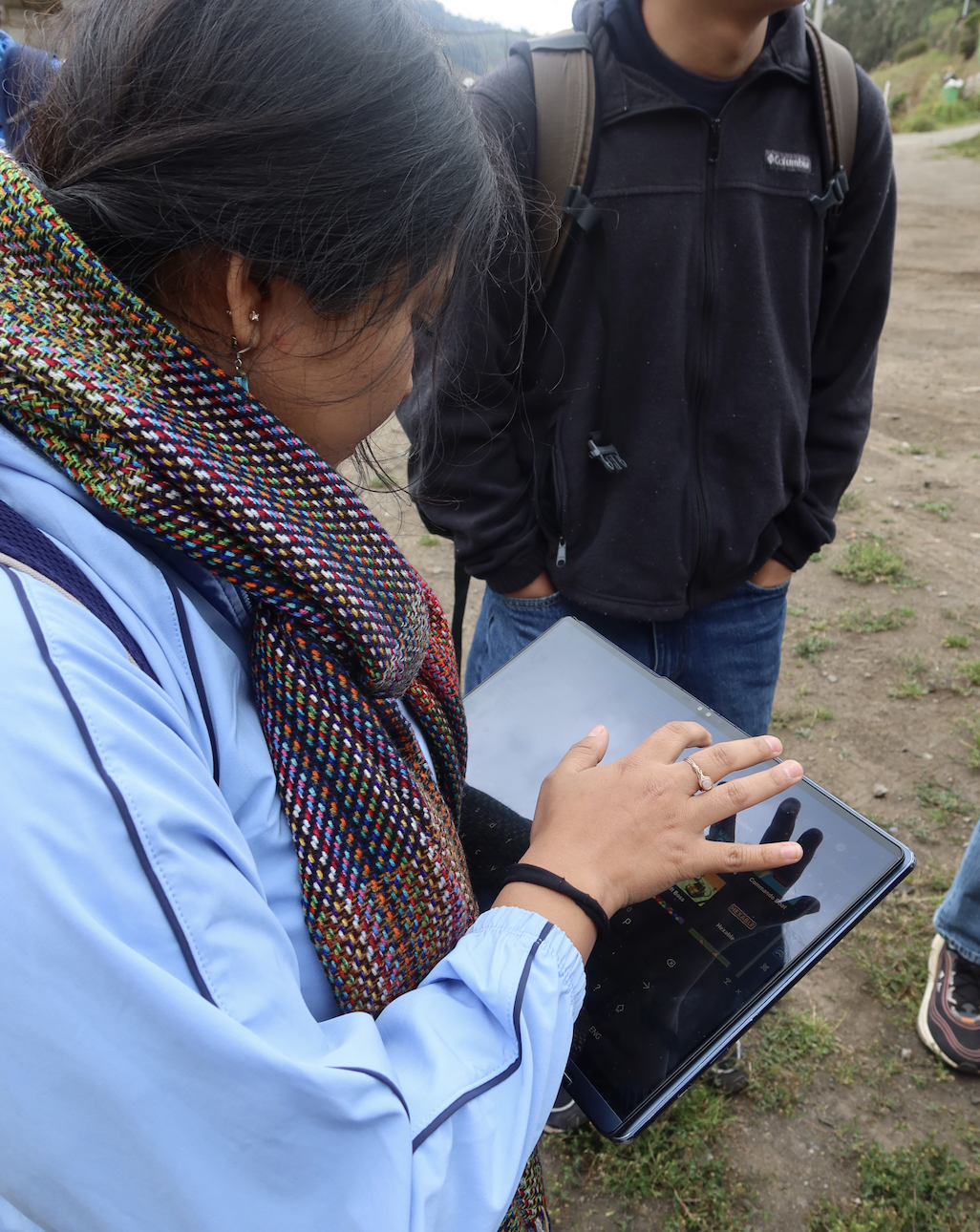
We went into the community center, where we were welcomed by the community singing the Ecuadorean anthem. Residents that had come to speak with us today were representing all 3 sectors: Salpi, Peltetec, and Hacienda Vieja.
The team divided up into a few groups to begin the survey process. Camila and Diego took the Salpi sector; Srinath, Wilson, and Pablo took Peltetec; Vanisiña and Emily took Hacienda Vieja; and Elena, Jorge, and I took the remaining Hacienda Vieja.
Going in to today, a little unsure of what to expect, we mostly wanted to understand was how people currently use and feel about the existing water system. Our survey asked a variety of questions, from where their drinking water comes from to how often the system is cleaned.
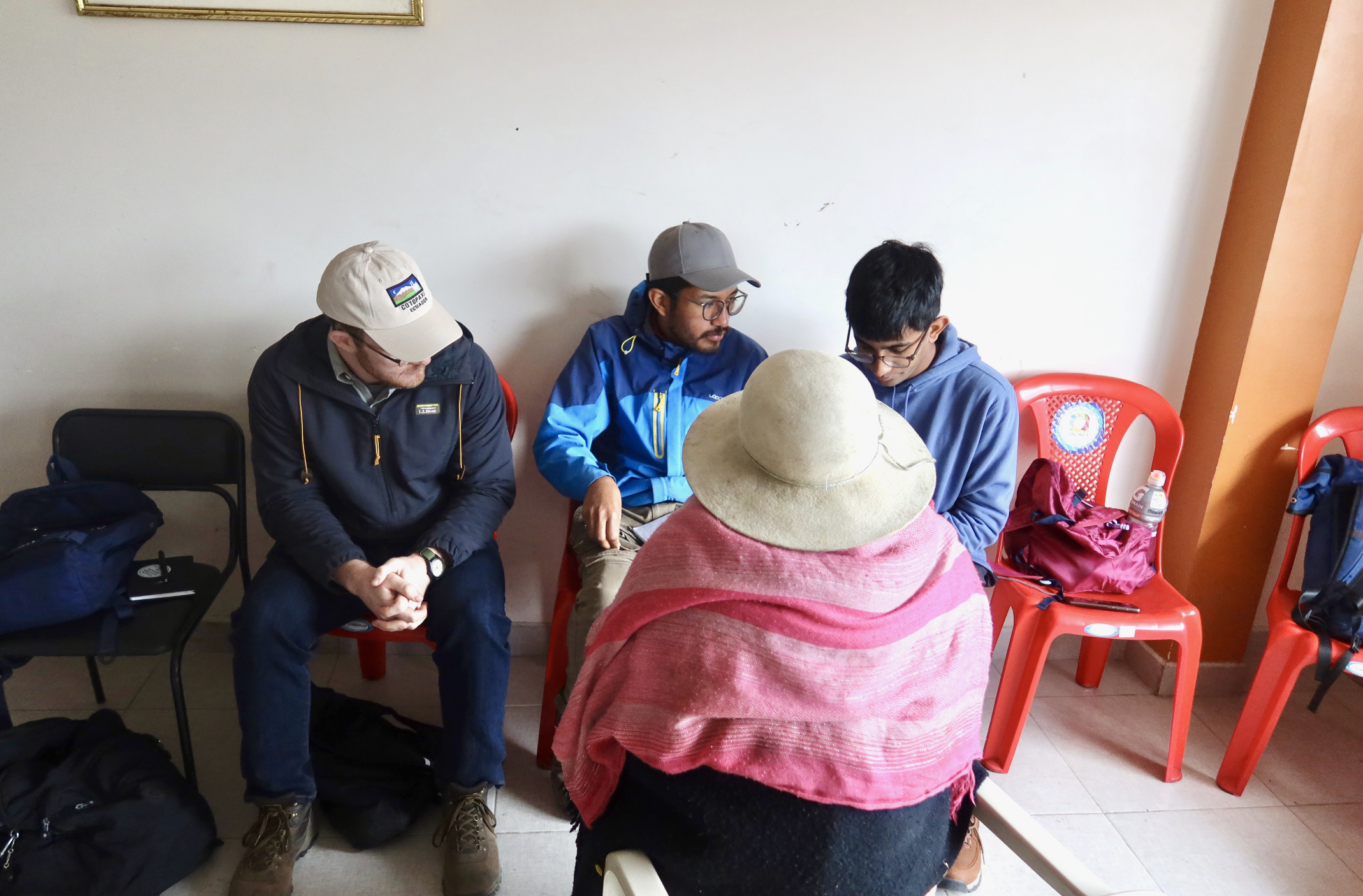
It quickly became clear that there isn’t one shared experience with the water system across the community. While some families drink directly from it, others purchase bottled water for drinking and use the community system for cooking, bathing, laundry, and livestock. One community member told us that their household spends around $6–8 each month on bottled water.
We also asked about how the system has changed over time. One resident explained that colder weather and changes in rainfall have affected water pressure and cleanliness, and others recalled a major rainstorm in 2024 that destroyed part of the pipeline.
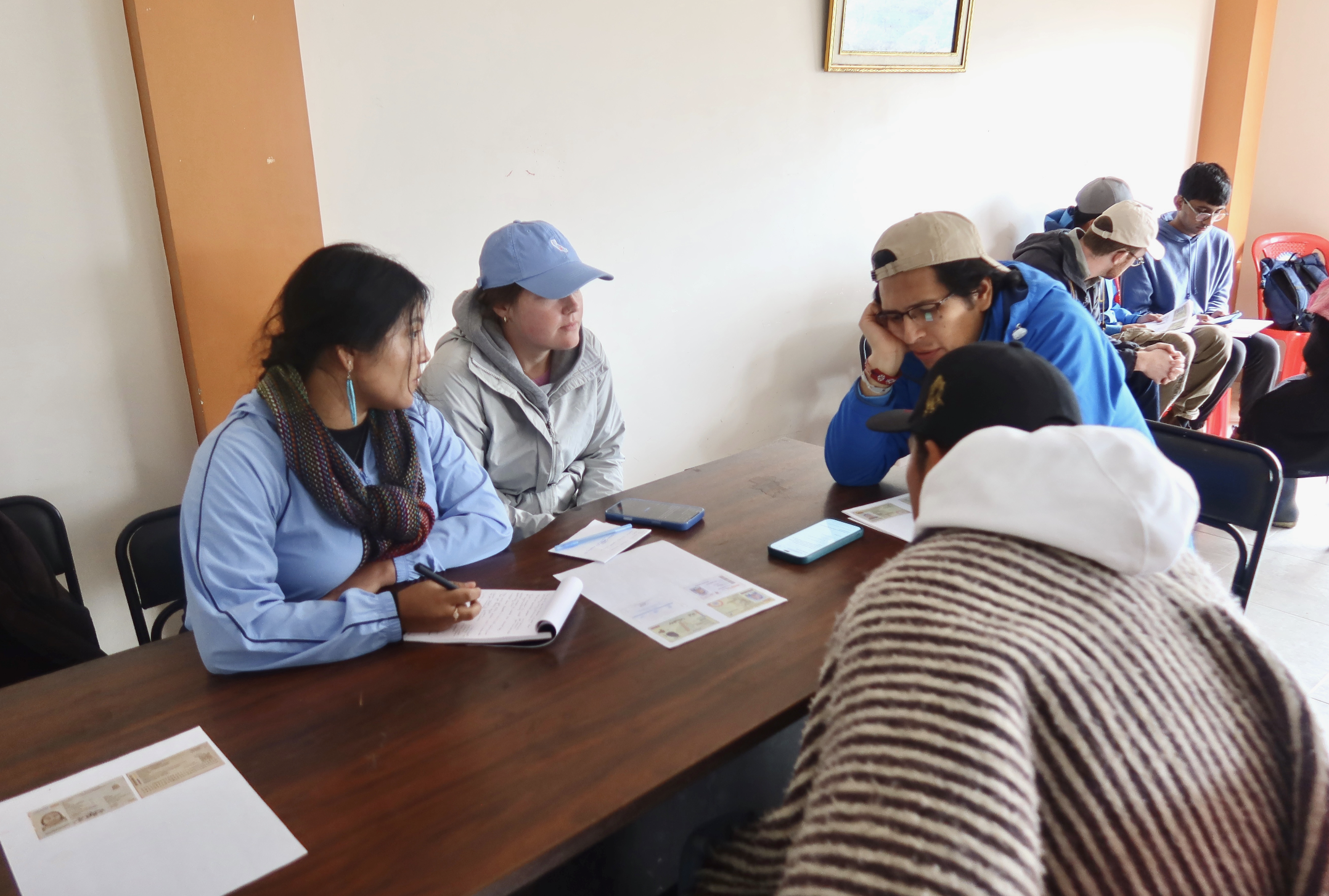
One woman we spoke with has lived in the community for decades. She currently drinks directly from the community water system and uses it for everything in her home. She told us that she doesn’t necessarily feel the system needs to change, but if the community decided to improve it, she believes people would support maintaining it.
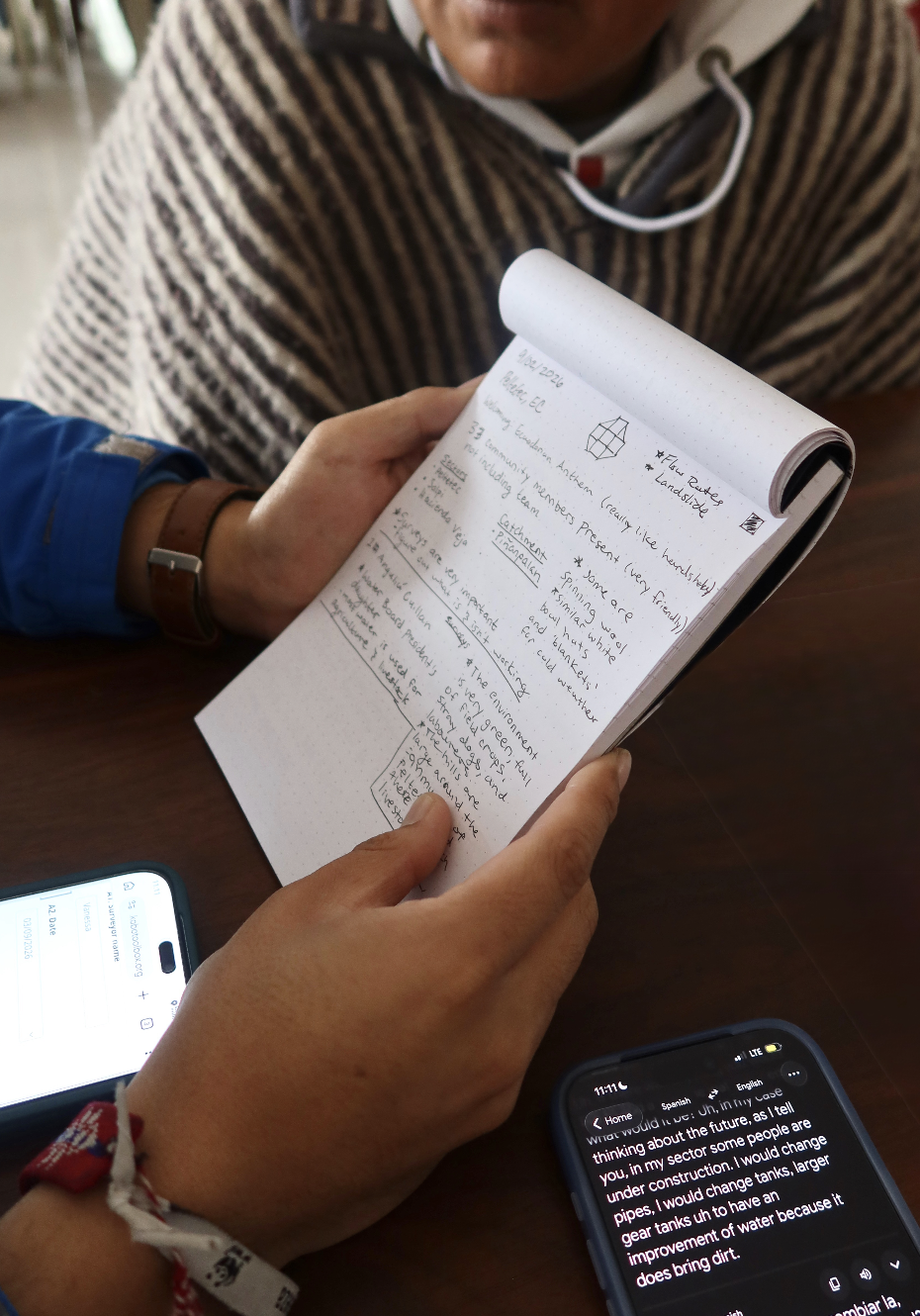
Another resident had a very different perspective. He told us that he would be willing to pay more for an improved system because he wants to see change. However, he also pointed out that a flat monthly fee might not be the best solution, especially for older residents who may not be able to afford it. Another community member told us that water quality has gotten worse over time and that she has experienced illness that she associates with the water.
We also asked about their Junta de Agua, which meets once a month and gives community members the opportunity to attend and vote. We’ll be meeting with the Junta before we leave Peltetec to learn more about how the water system is managed, and to discuss whether chlorination is an appropriate addition for the community.
Hearing these different perspectives reminded me that the project isn’t all about designing a “better” water system, but something that fits the communities needs.
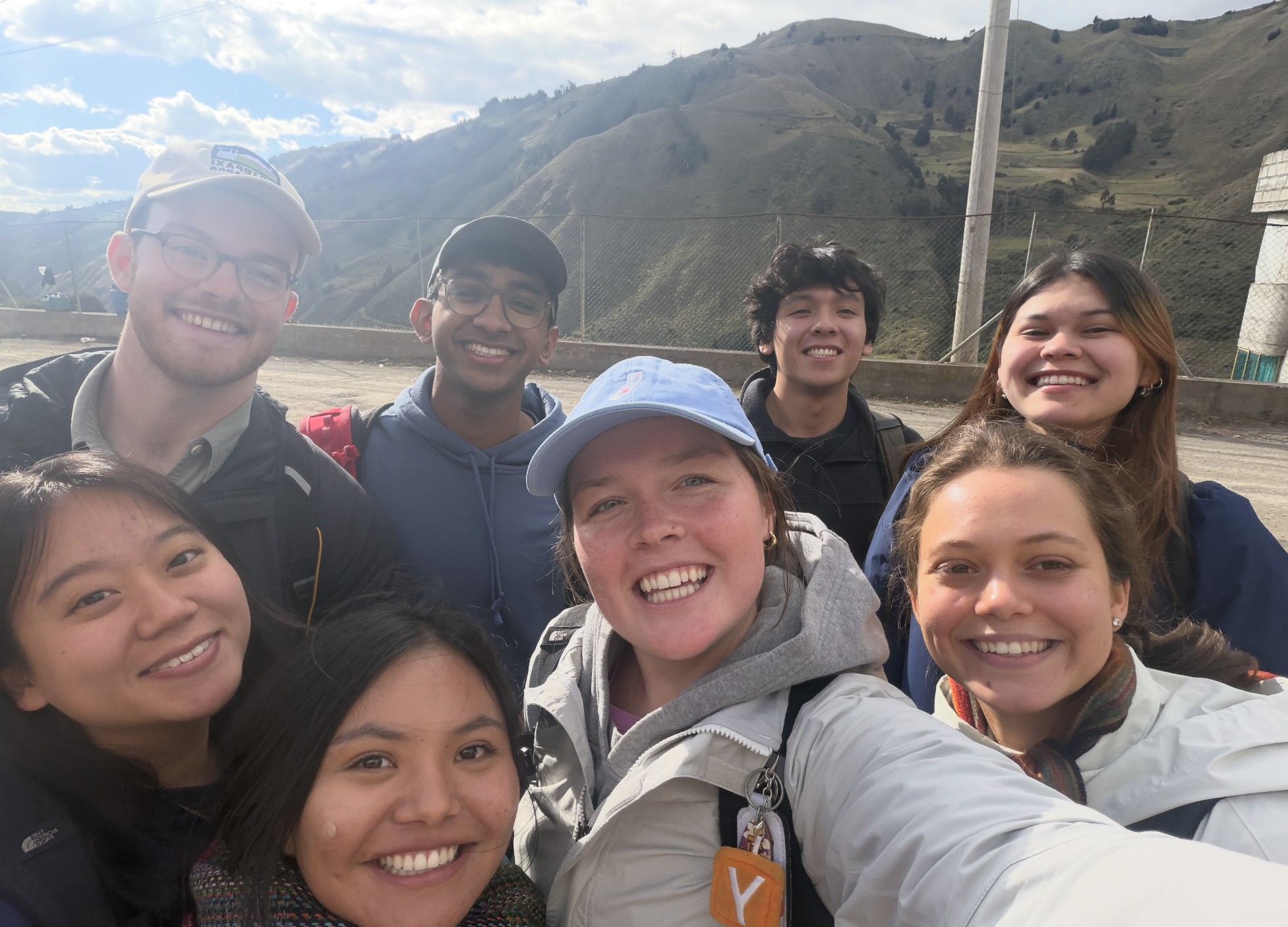
Between our four groups, we made it through surveys with over 30 community members in about five hours! It was a great success for Day 1, and we left feeling like we had a much better understanding of the community and the project heading into Day 2.
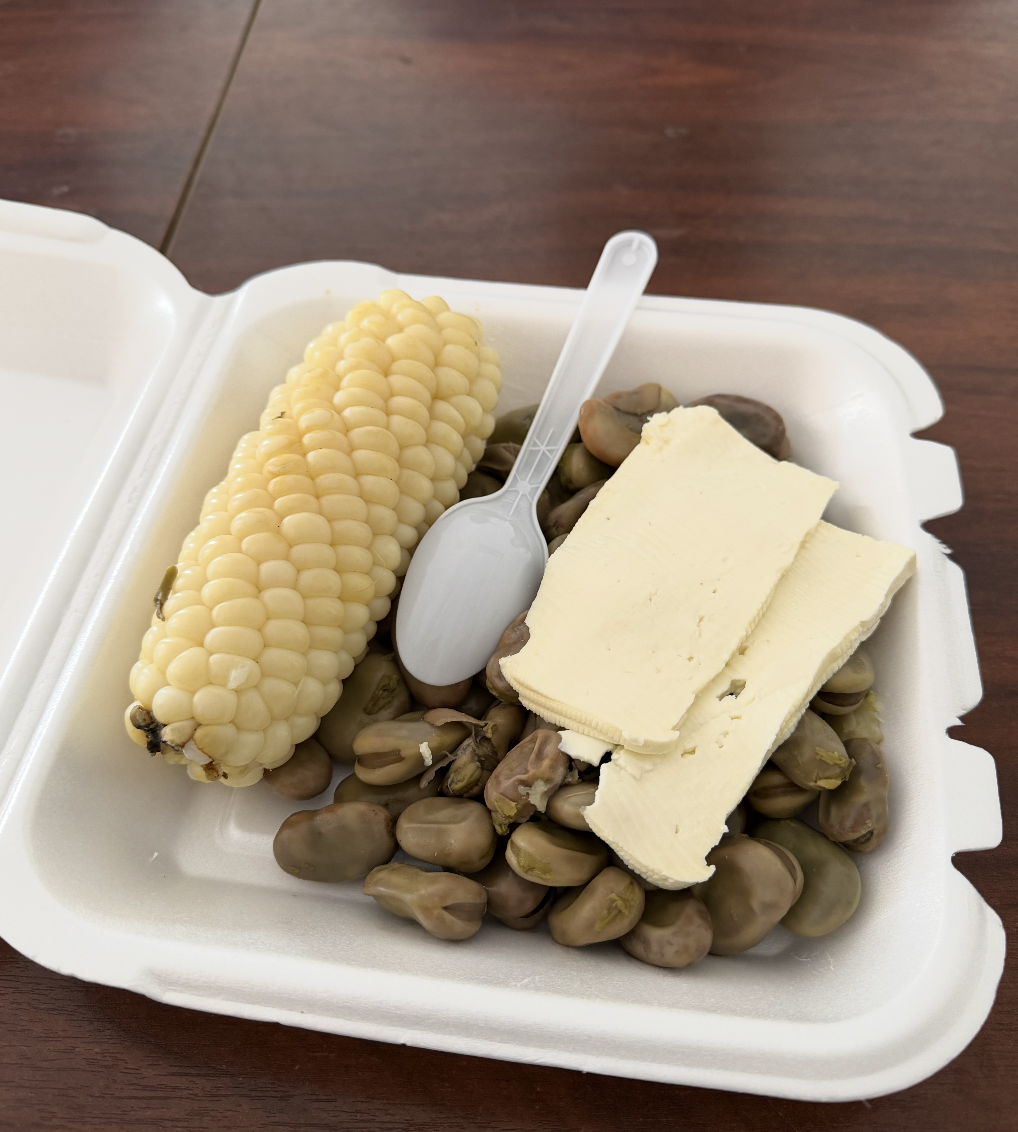
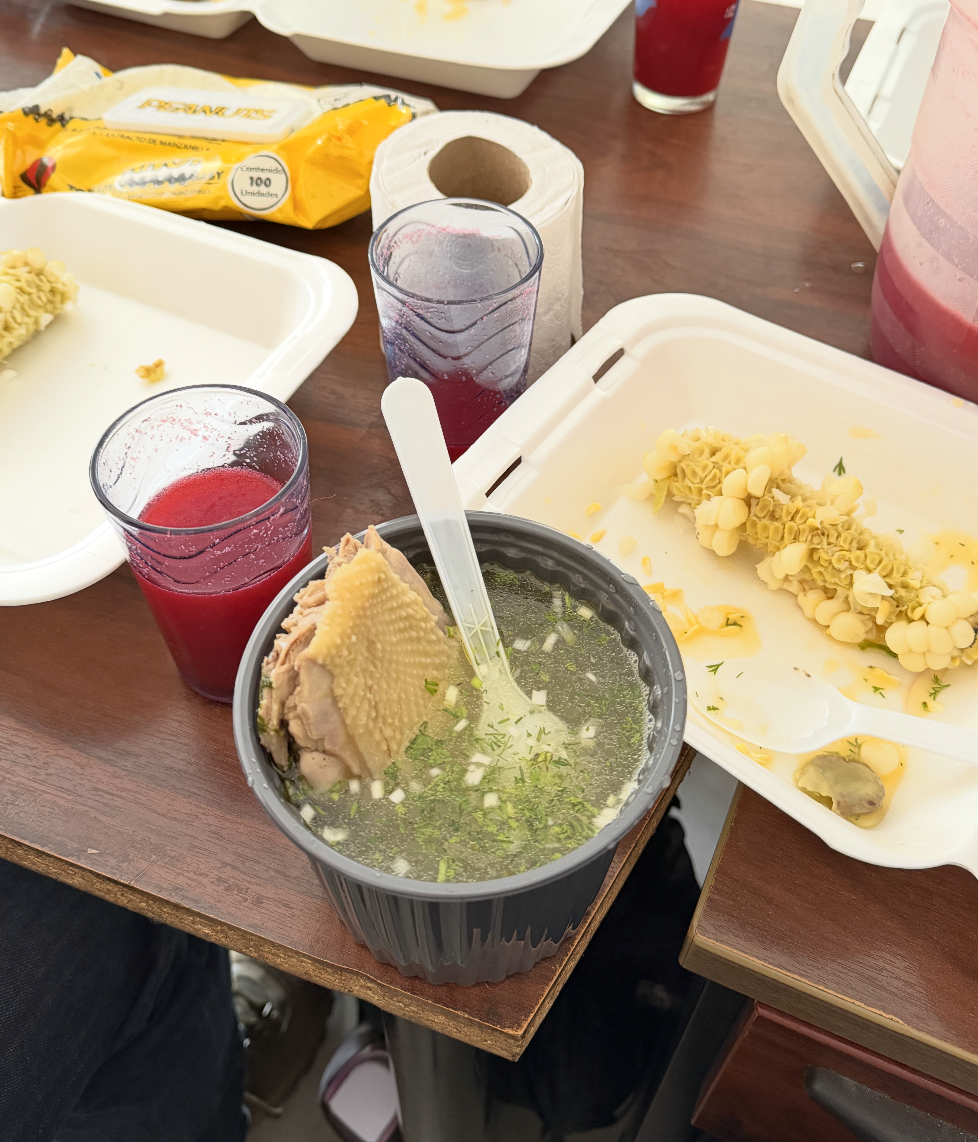
After the surveys concluded around 3 p.m., the community prepared a delicious lunch for us: corn, fava beans, cheese, chicken soup, and blackberry juice.
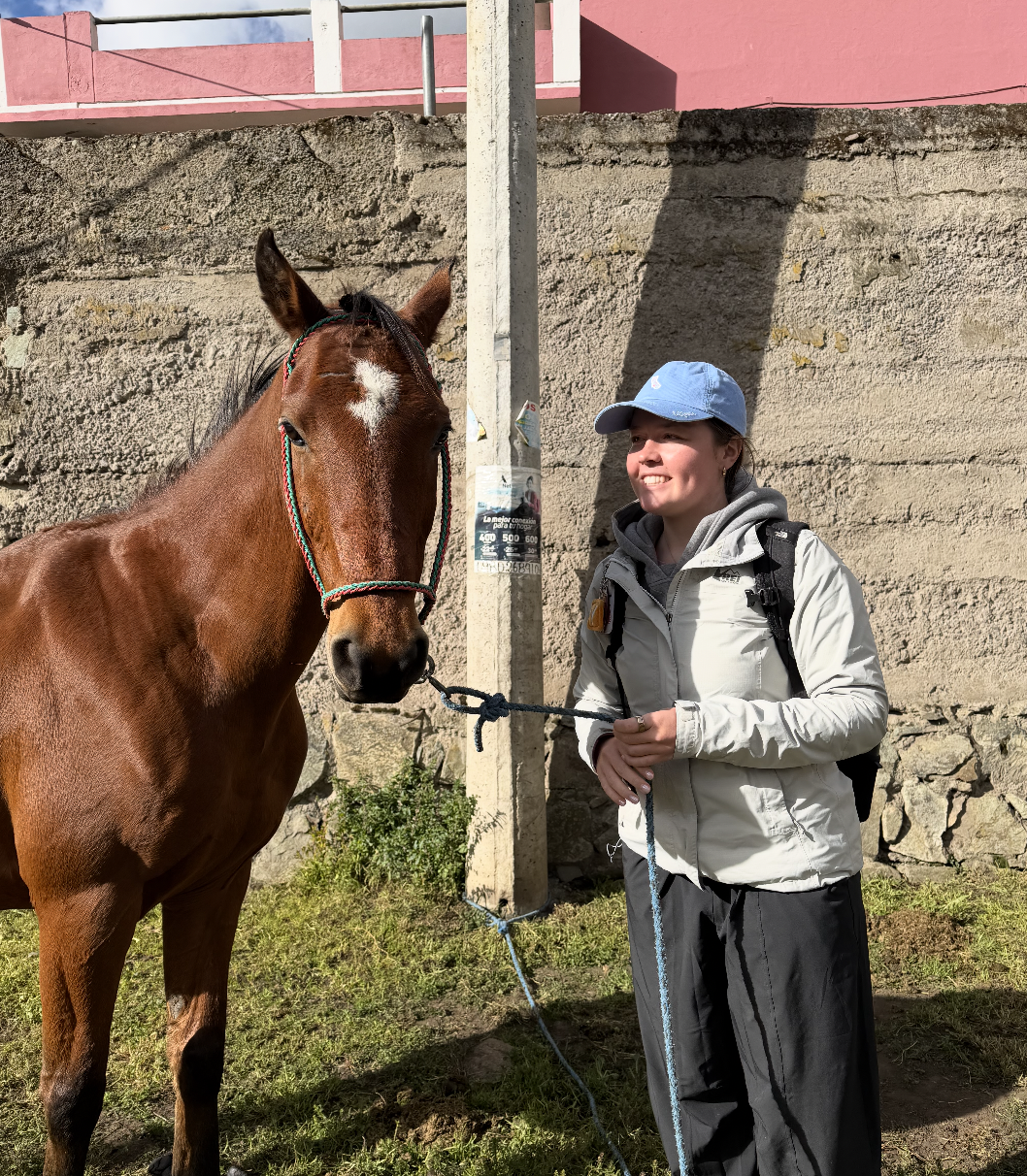
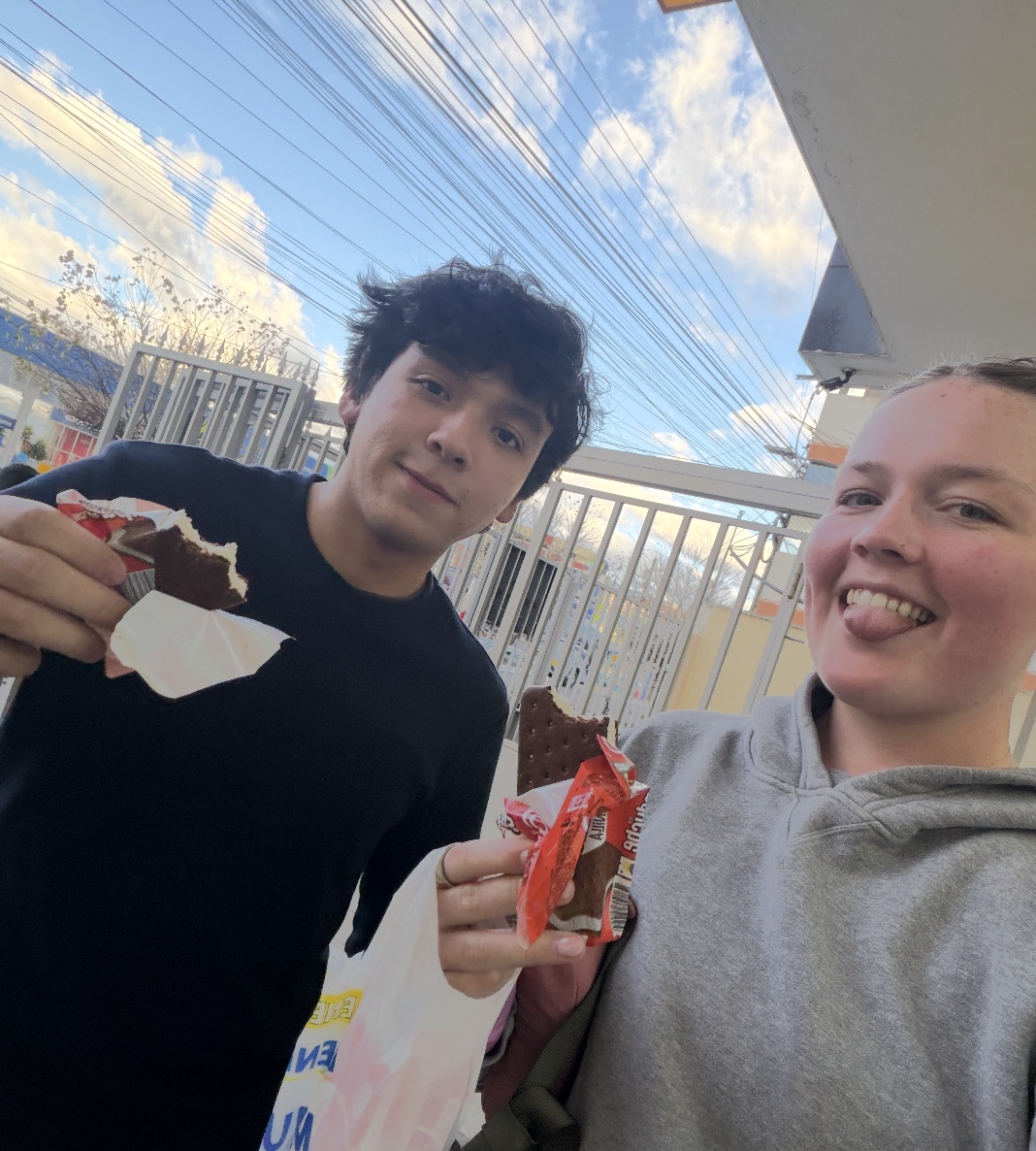
We loaded back into the van and made the drive to the hotel, with a quick stop for toothpaste (which I forgot to bring) and, of course, ice cream!
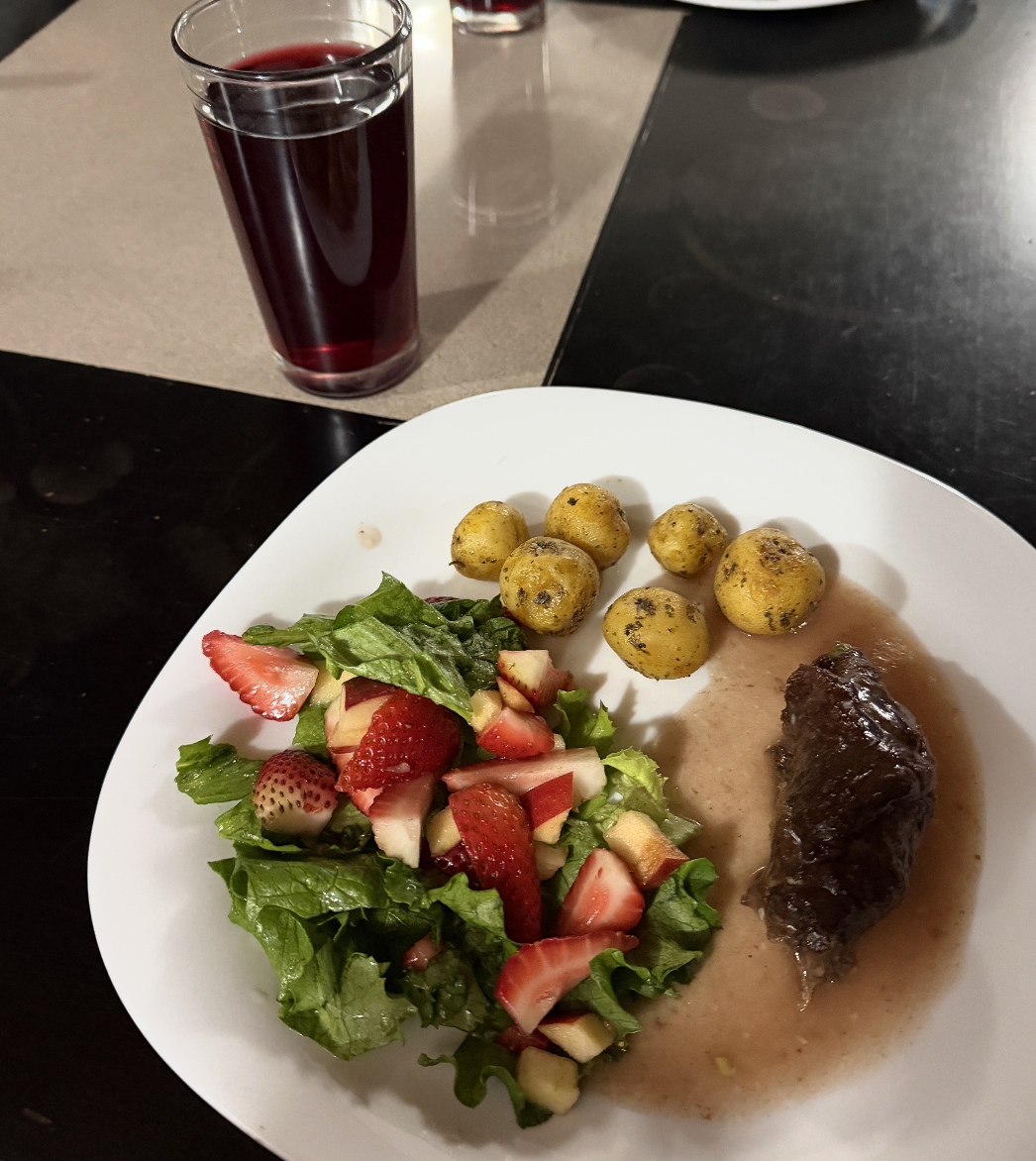
Soon after arriving back at the hotel, we had dinner. I was pretty exhausted, so I replied to a few emails, got ready for bed, and called it a night.
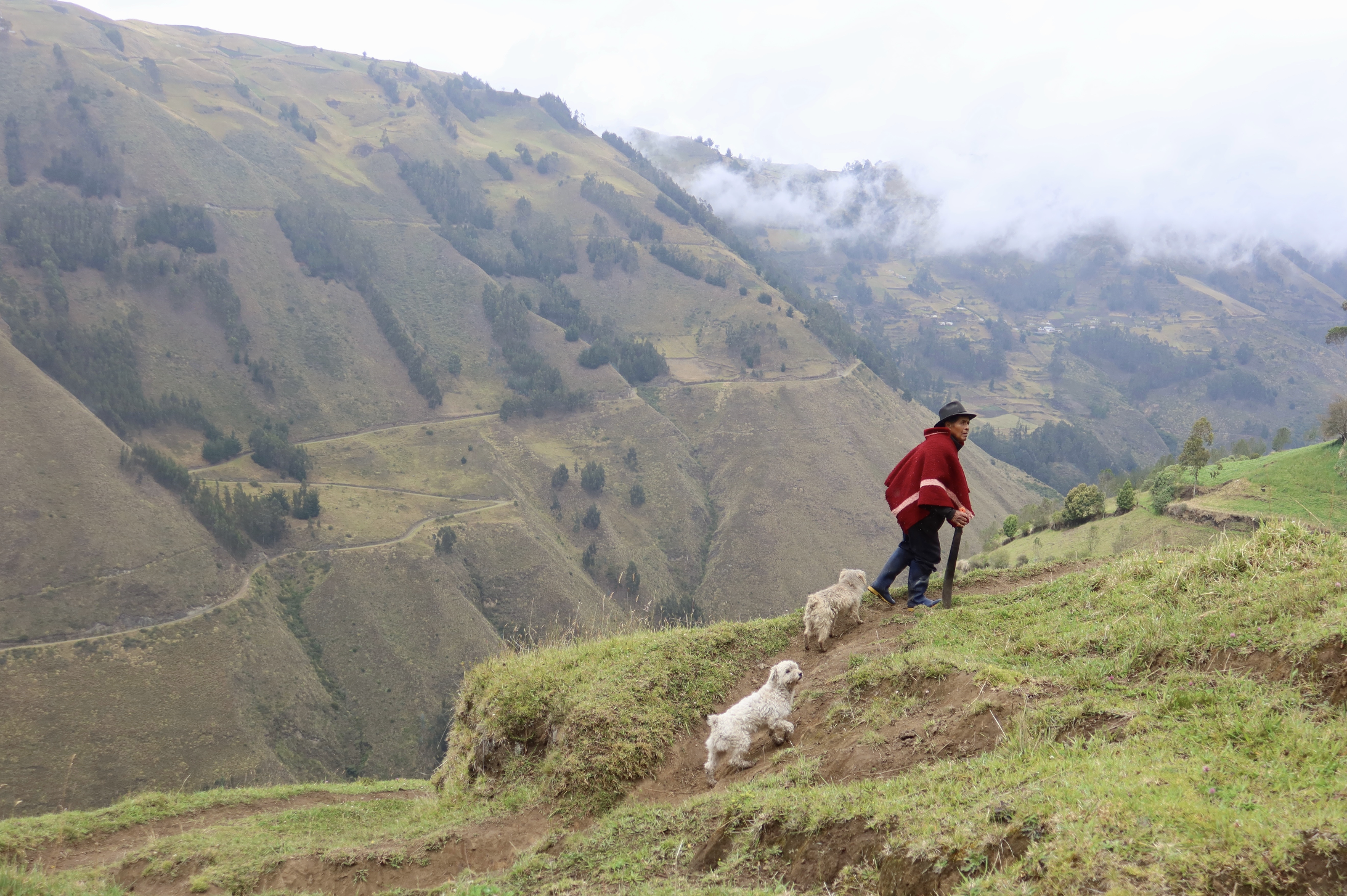
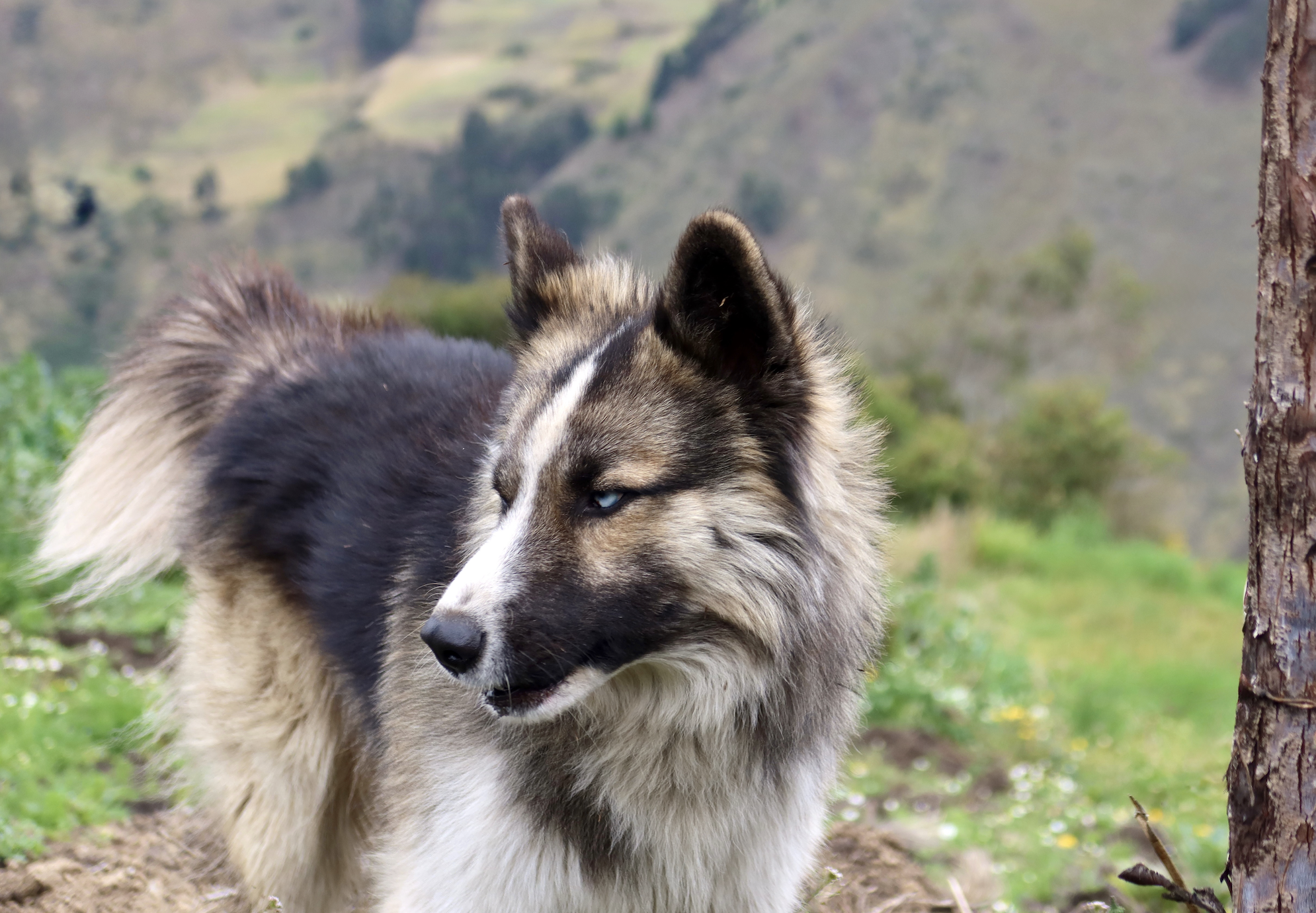
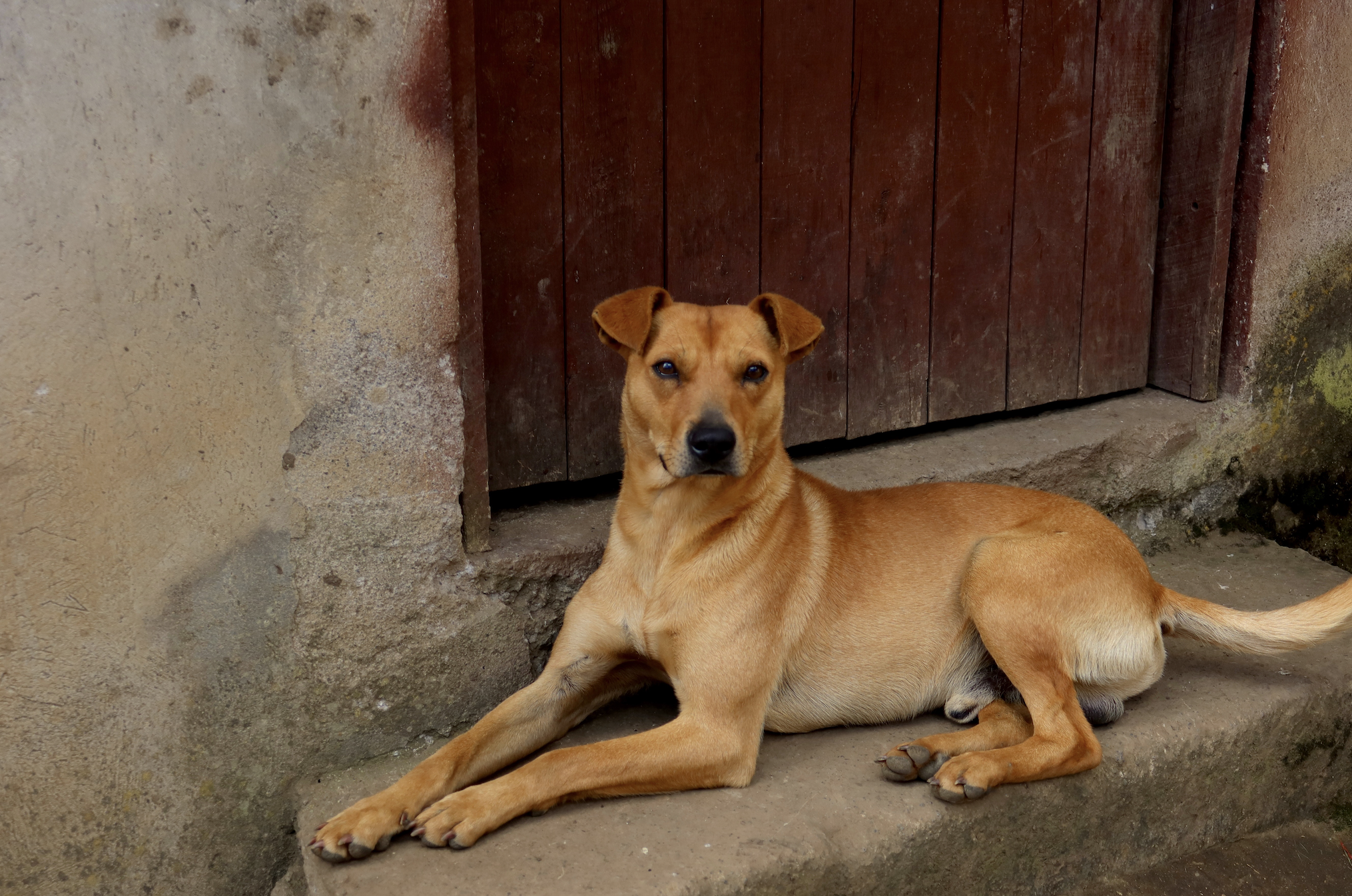
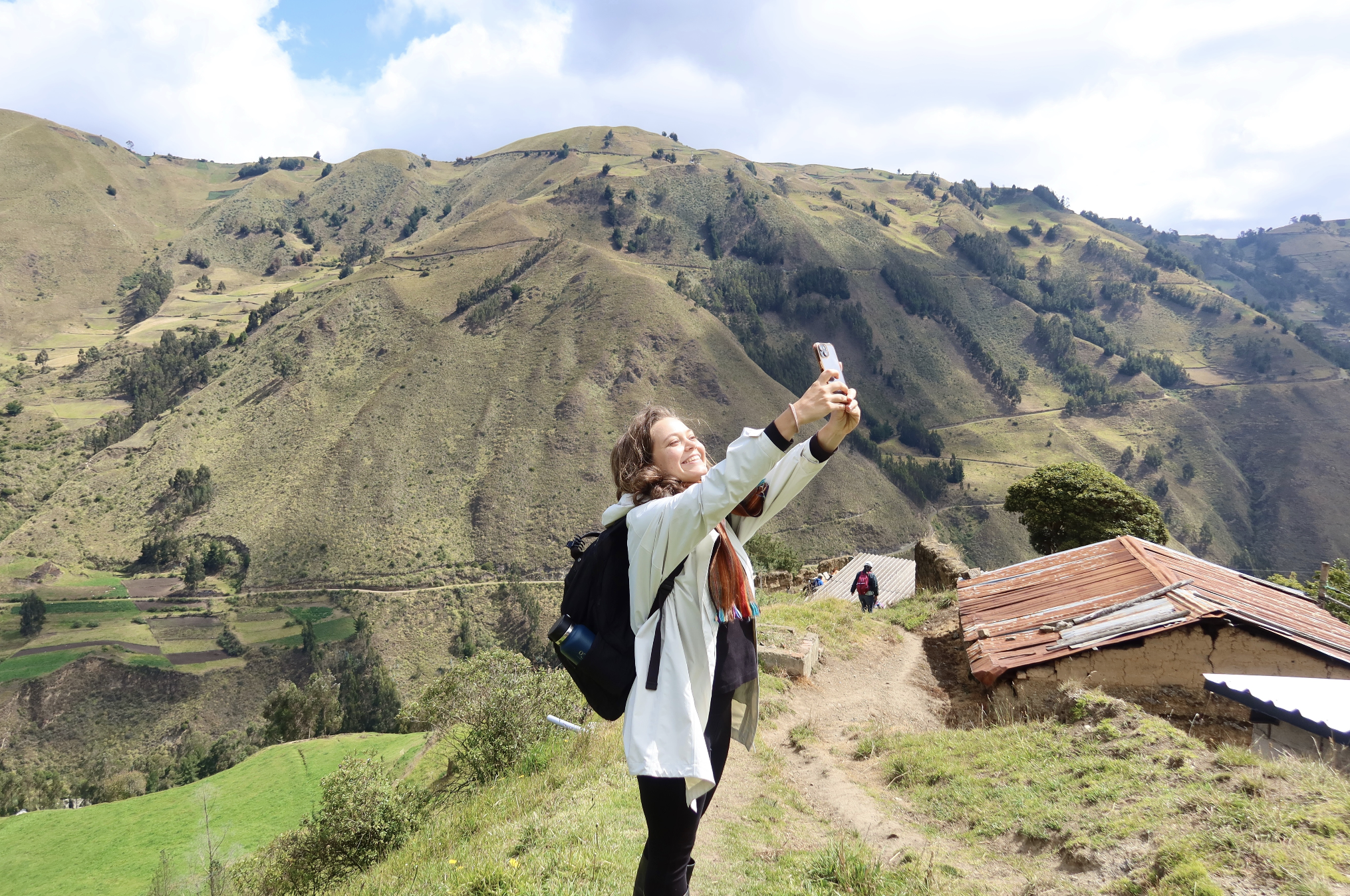
I’ve also been carrying around my digital camera everywhere we go, which has been a fun way to capture the trip along the way. So, to end the day, here are some of my favorite photos so far!