
The Last Ride Out of Peltetec
By Wilson Turner
September 9, 2026
Hey y'all! This is Wilson, the project's technical mentor, checking in for our final entry. It seems I drew the last day of the trip, which is mostly just travel to the airport and the long journey home. So much for respecting your elders! As punishment for being put last, you're now stuck with my reflections on this whole experience.
The Land
I'd never been to South America before this trip, despite having Colombian family on my mother's side. I came in eager to learn about Ecuador's culture, its history, its ties to the Inca - one of my favorite ancient civilizations - and I left more than satisfied. From our very first day in Quito, I was amazed by the city's architecture, its warmth, and its sheer scale. That feeling only grew as we moved south, past the magnificent peaks of Cotopaxi and Chimborazo, and settled into Riobamba to begin our work.
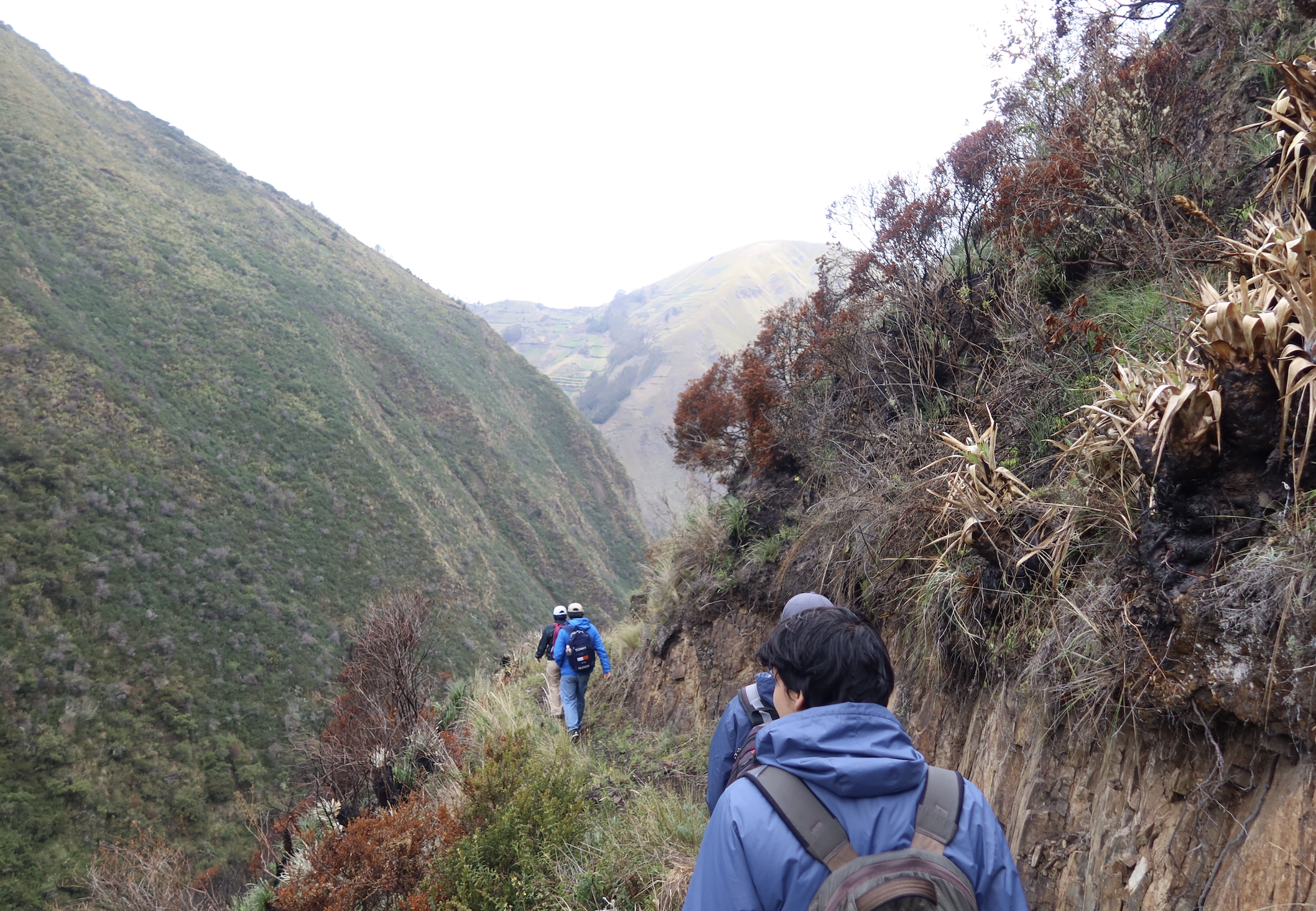
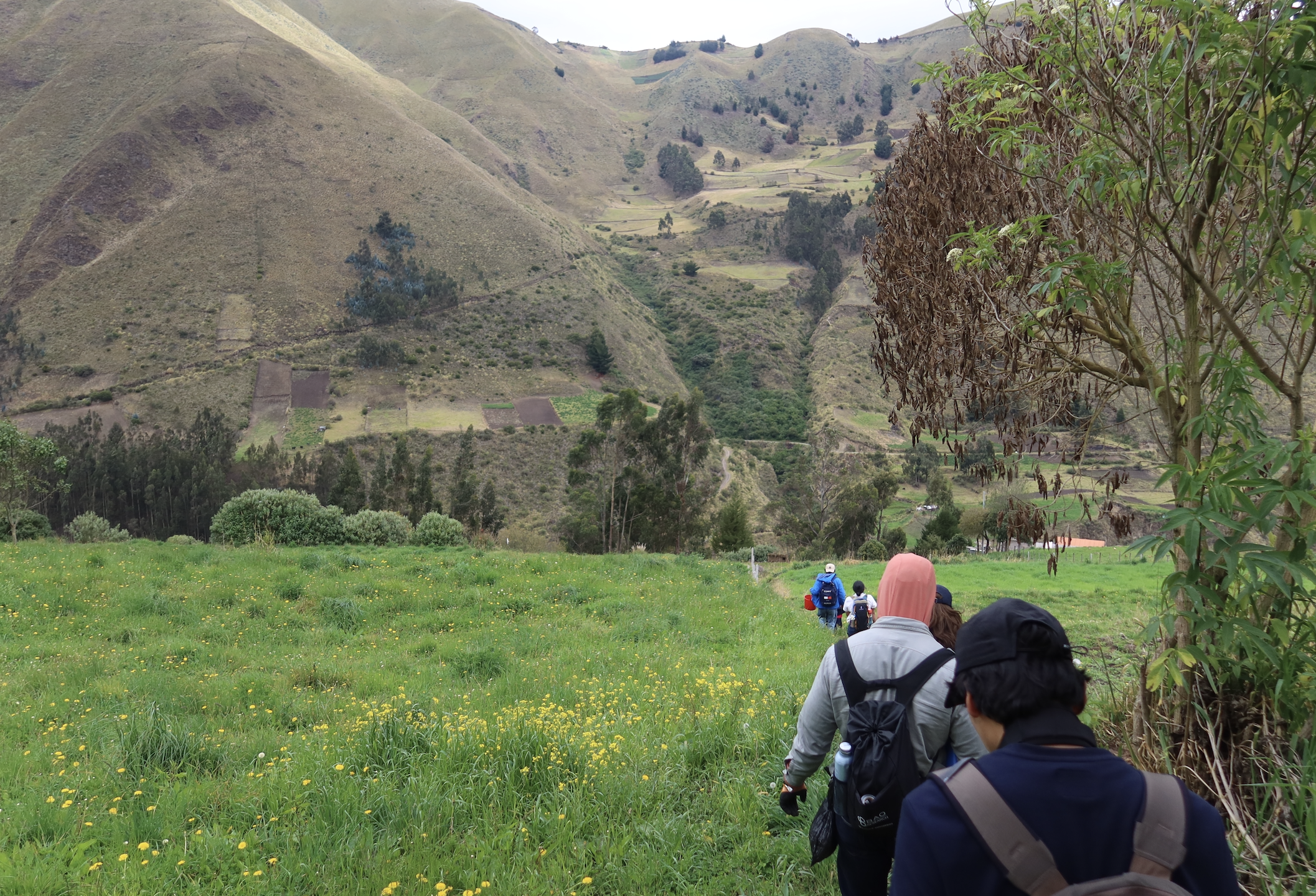
But it wasn't until we reached Peltetec that I felt like I was truly standing on the land, rather than just passing through it. I don't think I'll ever forget the clean, thin air filling my lungs as I stepped out of Don Wil's van and into the valley for the first time. Peltetec sits tucked into a steep fold of the Andean highlands, ringed by green mountains on every side. Its history is written on the hills themselves: rolling, ordered farms stitched together like a quilt for the mountains. This assessment trip finally put our boots on the ground and our eyes towards the peaks of this extraordinary corner of the world.
The People
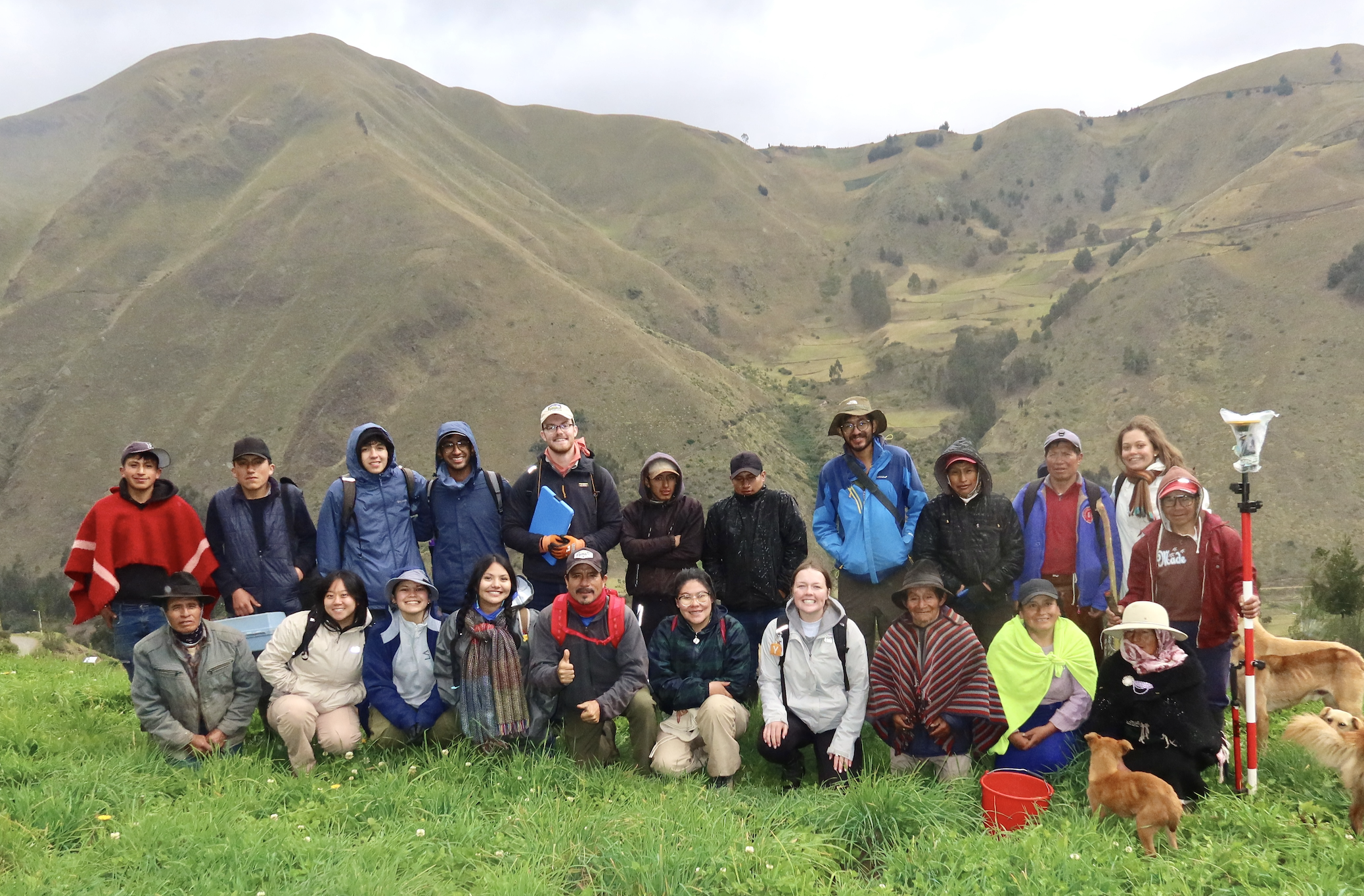
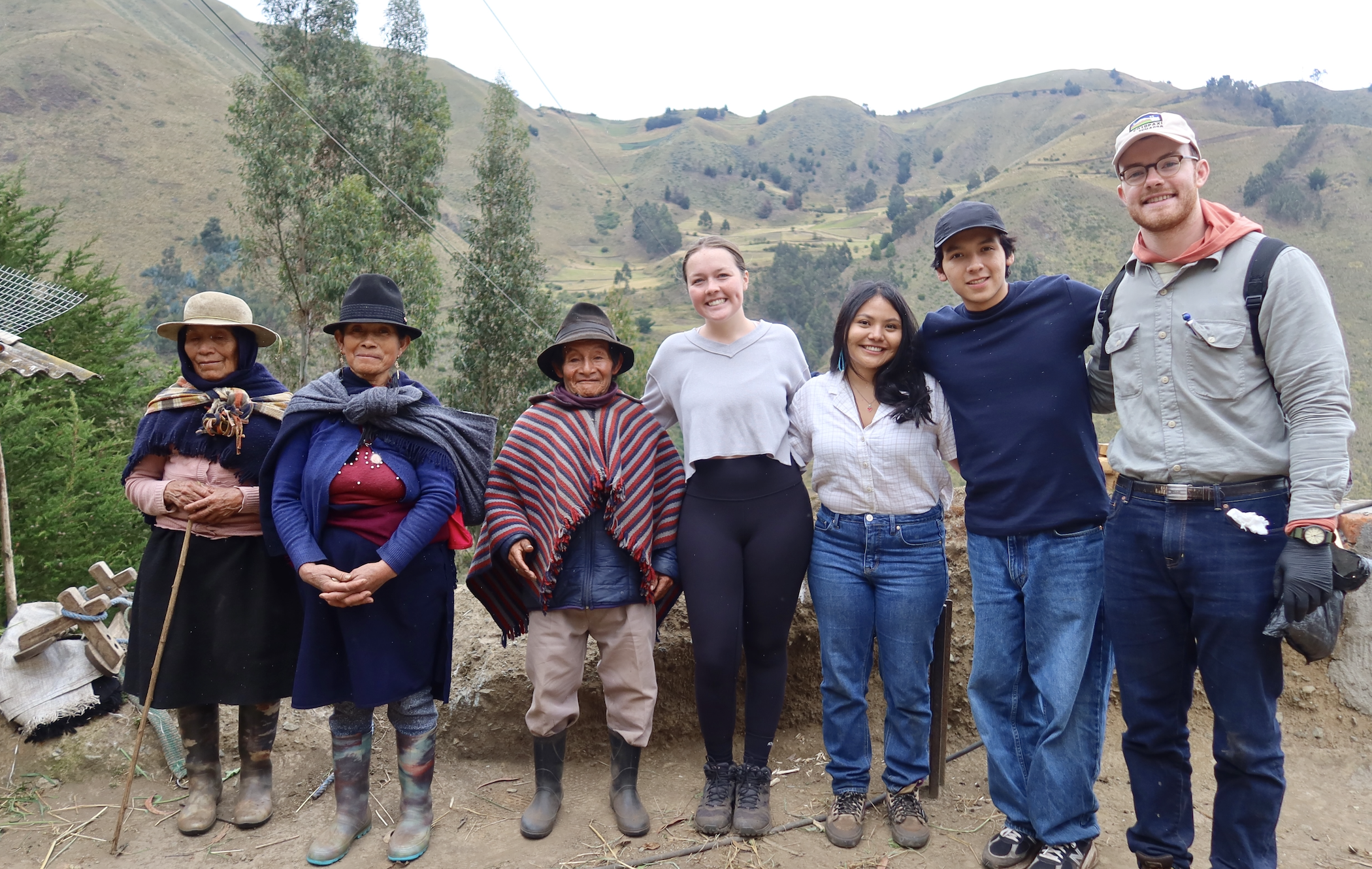
From the moment we arrived, the people of Peltetec welcomed us. Not just into their community, but into their daily lives, showing us where they lived, what they ate, who they were. My teammates have already given you a thorough account of our work each day, so I won't repeat it here. What stays with me instead are the smaller moments: Reyno, our guide through the Salpi sector, telling me about his granddaughter studying in the United States, and asking for help with his visa application. Finding Riobamba's own water pipeline drawing from the very same sources as Peltetec, yet never connecting back to the community it flows past. Refusing to fall behind the local boys on our hardest hike, and earning the nickname "gringito" for the effort. Resting on a mountaintop with that same group of boys and discovering that one of them, also my age, was also named Wilson. Dropping my pen and watching a boy who couldn't have been older than seven sprint after it to bring it back to me. The way his eyes lit up when I showed him how a manometer worked.
The more I sit with it, the more I appreciate the courage it took for Peltetec to ask for help in the first place. It takes something real to look at your community's needs and say them out loud to strangers, and to do it so that your children's children might grow up with safer water. And still, every morning, entire families (and their dogs!) were waiting for us, ready to walk us through their sector's water catchments with a hospitality I don't think I've ever matched. Getting to work alongside people so willing to welcome us in was as humbling as it gets.
The Work
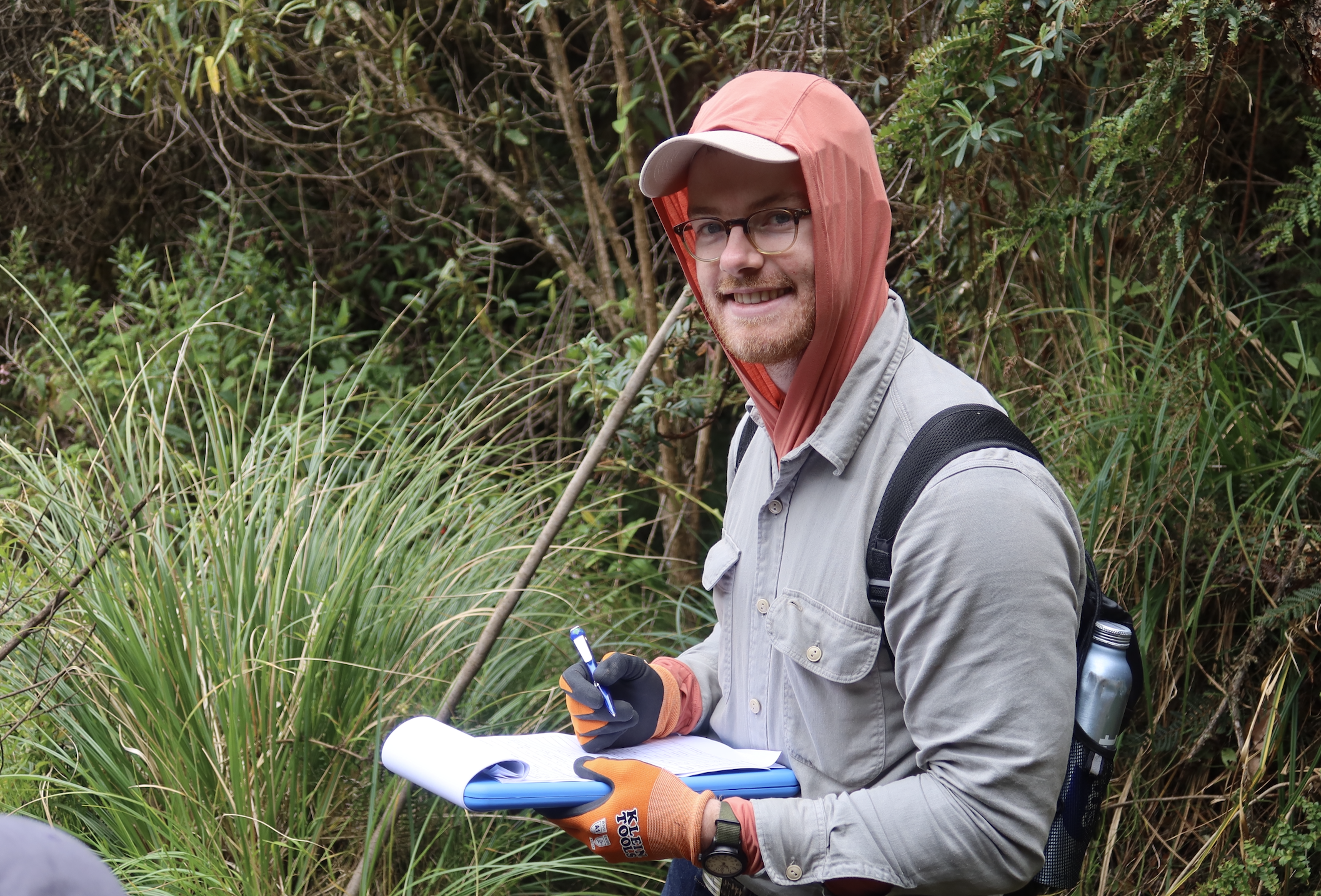
As technical mentor, it fell to me to make sure we gathered everything we'd need to design the right water system for Peltetec. If that doesn't sound scary to the reader, it sure as hell was for me. I've worked on water systems before, but never with this much trust placed in me by a community, or this much riding on getting it right. So I did what I always do under pressure: over-prepared. My teammates can attest - I became the "clipboard man," running everyone through our structural and water quality testing procedures down to the last duplicate and triplicate.
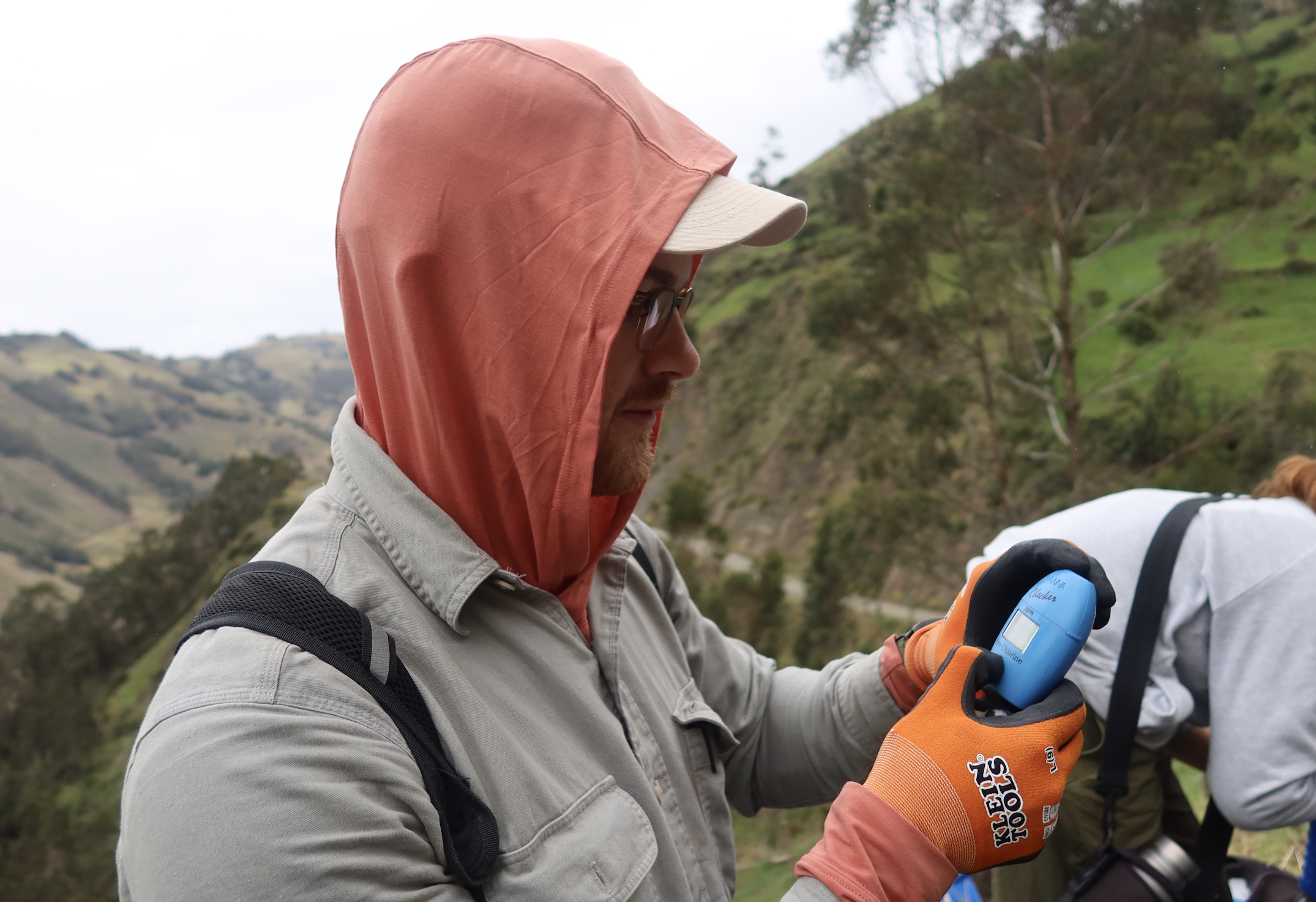
There was something else in the work that surprised me: how much I'd missed it. Most of my days as a graduate student happen in front of a computer or at a lab bench, pursuing niche ideas that may never make it past the ivory tower that is Stanford. Out here, the work was immediate - crawling into a valve box, hands on the pipe fittings, reading water quality in real time. I'd forgotten how good it feels to build something real for projects with a scale bigger than myself.
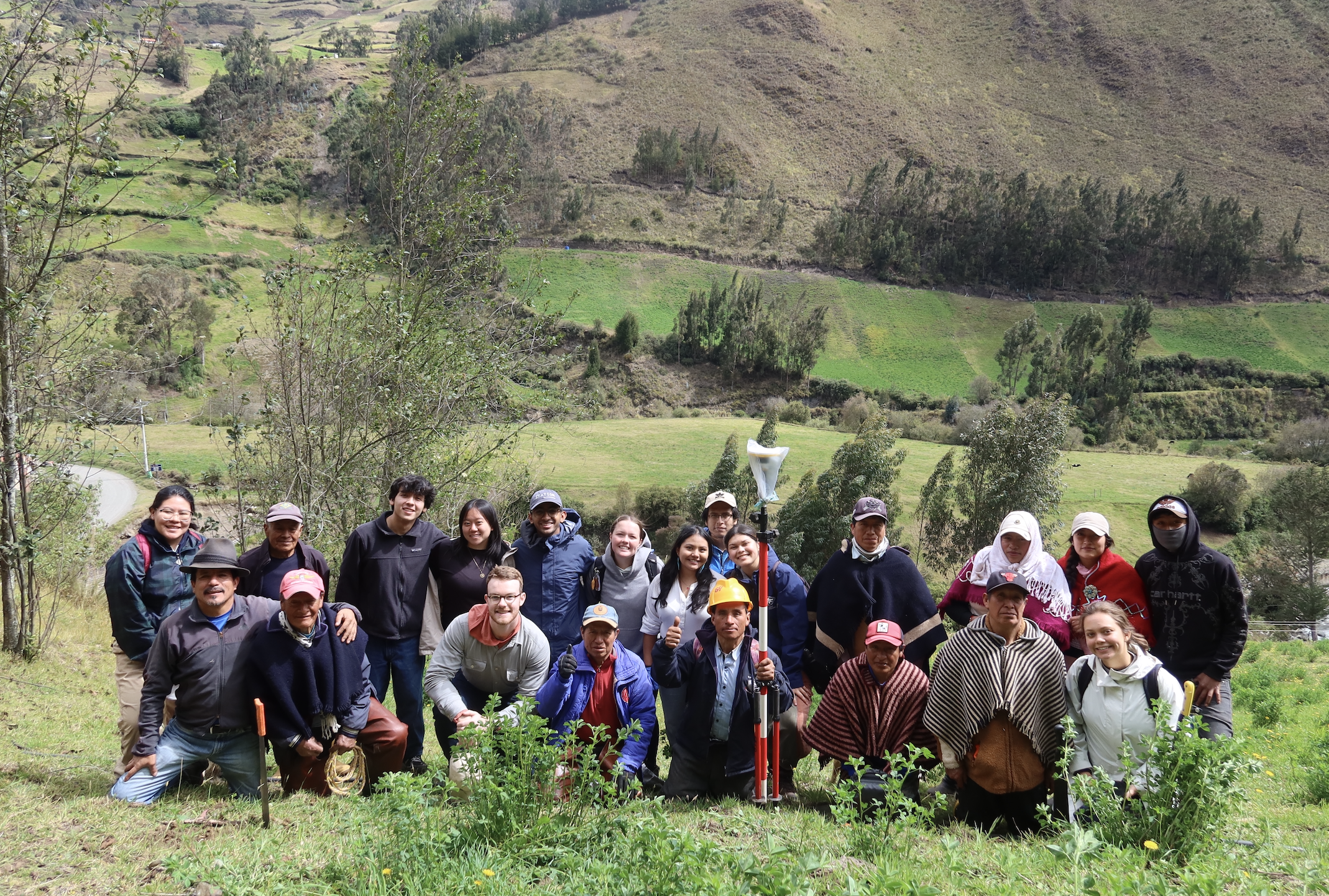
Just as satisfying was handing that knowledge off. By the end of the trip, I'd walked the rest of the team through testing protocols until they could run a full test on their own, clipboard included. Arguably even better was teaching community members themselves: crouching next to a tank with a few of Peltetec's water committee members, showing them how a float valve keeps a tank's water level in check without a single piece of electronics. Watching that click for someone, and knowing they'll be the ones maintaining it long after we're gone, might have been the best part of the whole trip.
Responsibility and Learning
Throughout this trip, one thought kept surfacing through every Quito apartment, every Riobamba house, every Peltetec farm I watched pass by: what if I had been born there? It was simply luck of the draw that placed me in Baltimore, with parents who loved me, siblings who tolerated me, and water I never had to think twice about. Would I still have become an engineer? Would I still be a graduate student at Stanford? I don’t know. Realizing how little control we have over which side of the window we end up on is a humbling exercise. It also makes it harder to see engineering as something we do solely for ourselves.
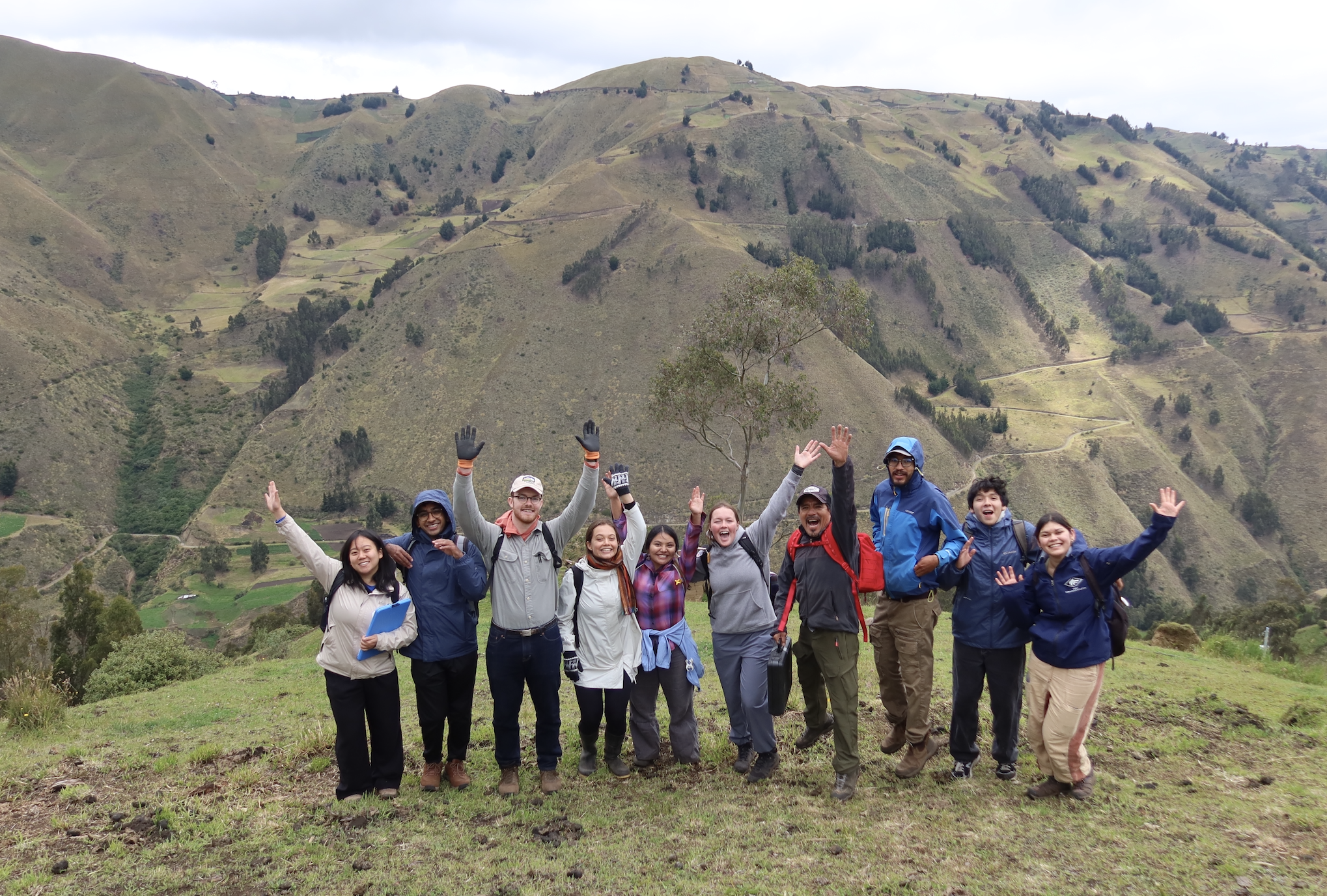
These are the thoughts circling my brain drain as we walk through the Quito airport. I came into this trip as the team's supposed mentor, yet I'm leaving here having learned more than I taught. I picked up a handful of new Mandarin idioms (mostly about bodily functions) courtesy of Emily. Despite his best efforts, Srinath showed me what it means to lead by example: first to the work site, last to bed every night. So much of how warmly we were received in Peltetec, we owe to Camila's endless (millennial) charisma. I'll miss Jorge's sharp wit and Vanessa's quiet intelligence - our FIEA engineers-in-training who made the trip with us. We owe perhaps the most to Pablo, our lead FIEA engineer and partner, for the quiet competence and work ethic he brought to every part of this project. And I'm thrilled that so many of our younger teammates - Paisley, Diego, Joelle, and Elena - will be around for the years of work still ahead.
If you've made it this far, perchance you're willing to go a little further with us. This project is far from finished, and we'll need every hand we can get. If you're a student at Stanford, come find us. If you're a parent or friend of someone on this team, share our story. And if you're part of Peltetec, please, stay in touch. We'll be back to work with you as soon as we can.
P.S. Didn’t expect to hear from me again, didya? Yeah, me neither. Remember that part about overpreparing for everything? That included writing out this blog article a day before we actually traveled, under the assumption it would be boring. Sadly, weather delays made Joelle and I miss our layover in Panama City, with the next one happening at noon of the next day. Upon learning that EWB’s travel insurance would cover our room, we decided to find somewhere in the city and make the most of our unexpected Panama trip. Before heading to the airport, we woke up early to do some sightseeing around a true engineering marvel, the Panama Canal. And what a magnificent piece of engineering and history it is! Watching the ships go into the locks was amazing. It awesome to be a part of a small student engineering team watching one of the biggest manmade engineering projects in history. After our quick frolick and detour, we made it back to the airport and arrived safely back in San Francisco. All’s well that ends well!